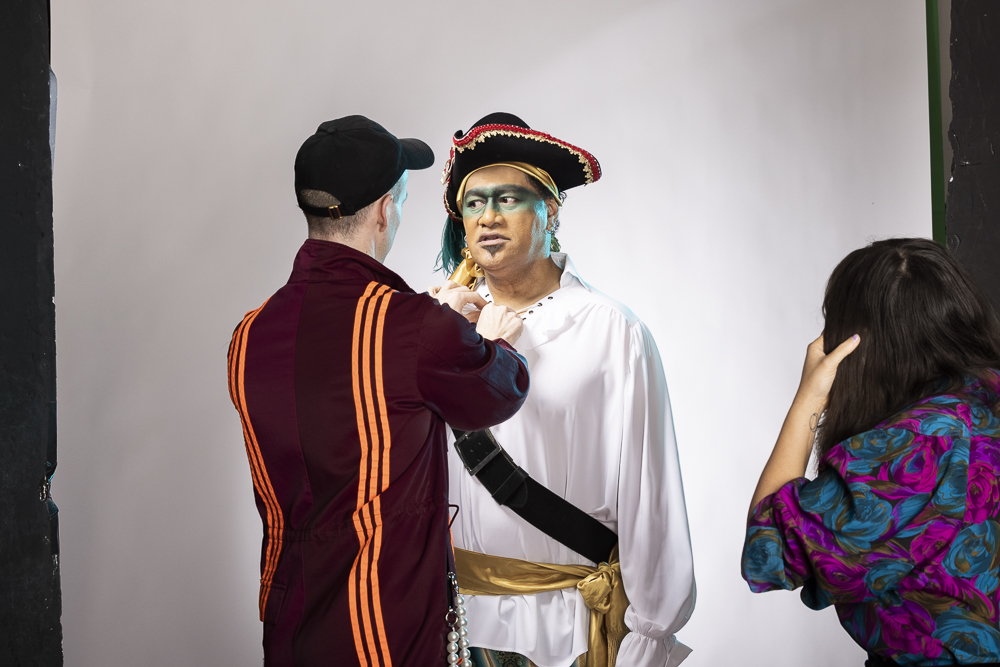
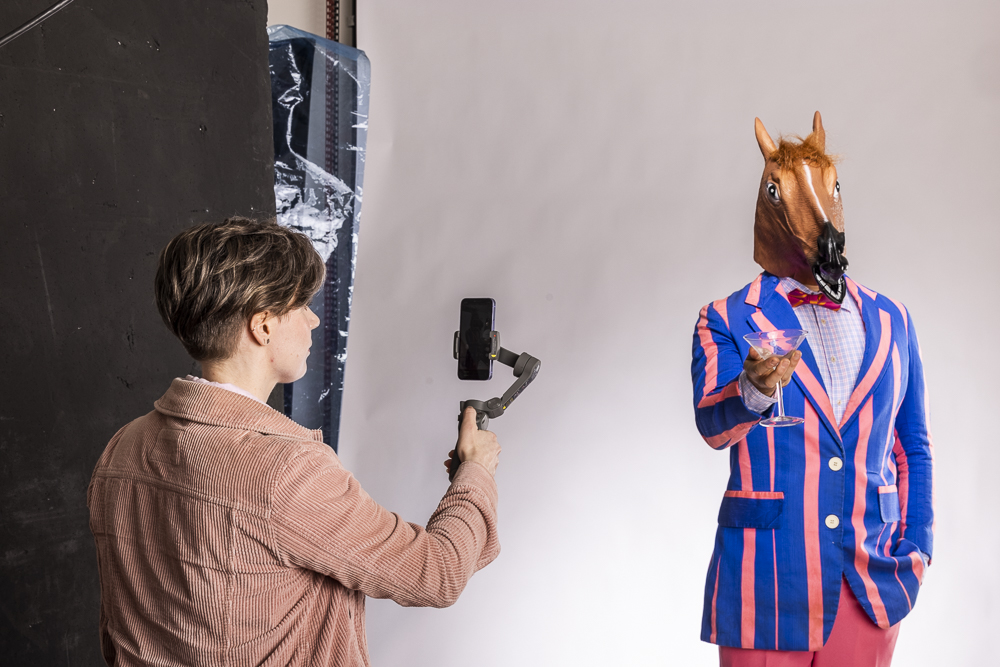
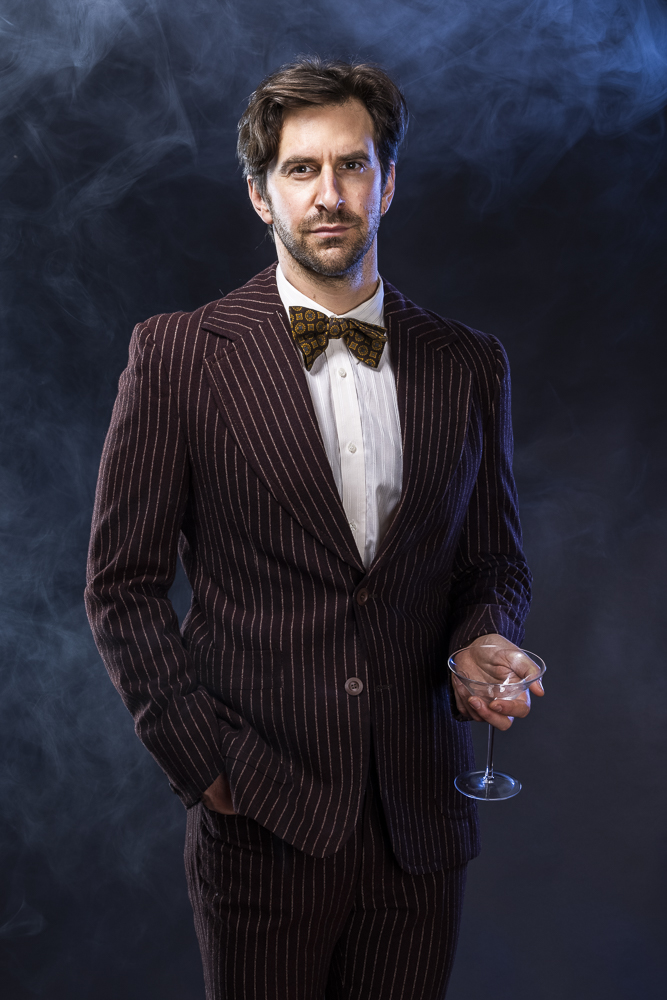
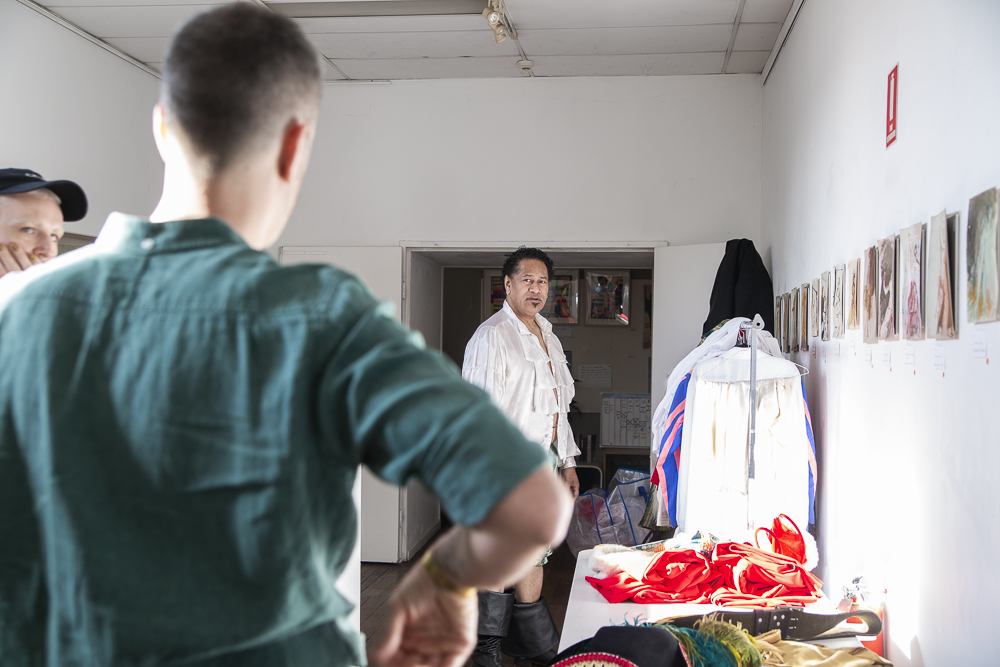
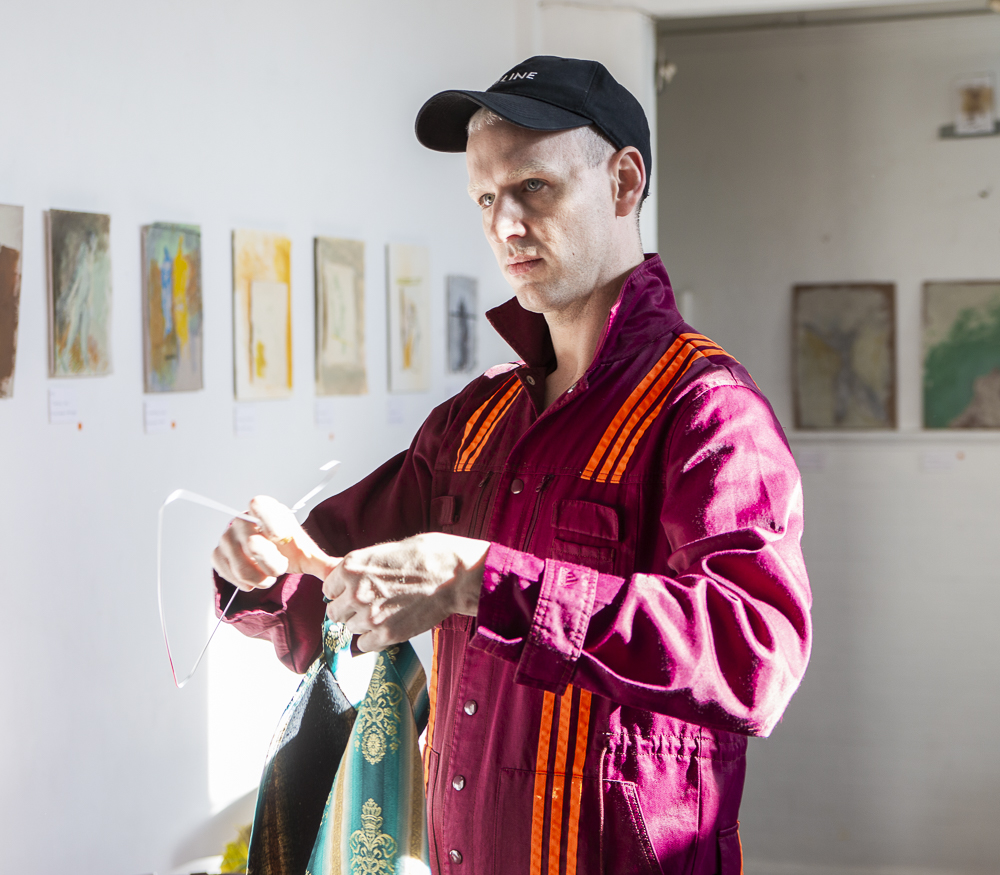
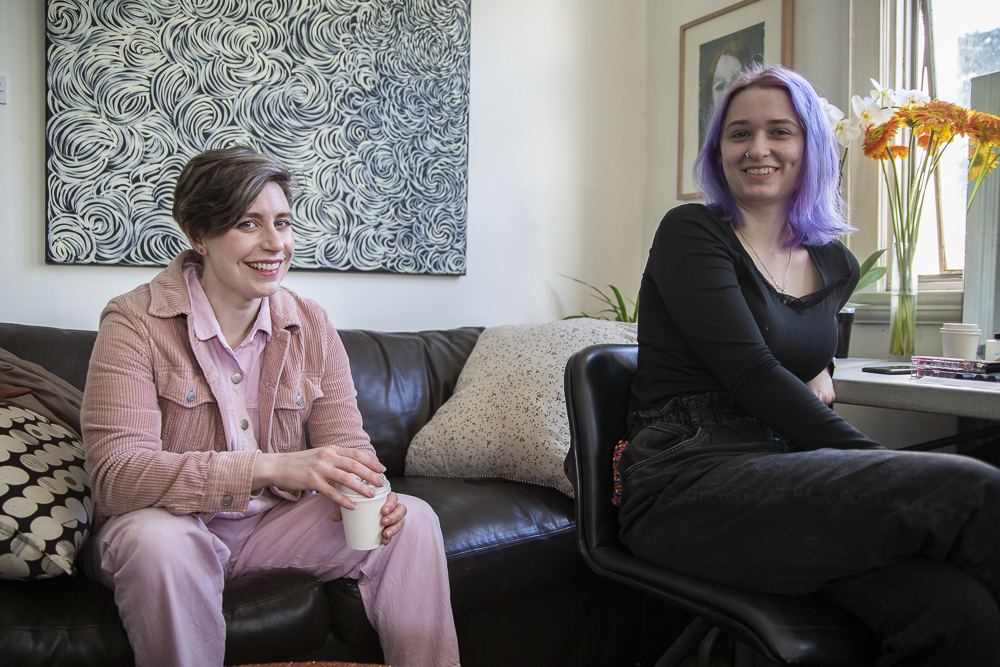
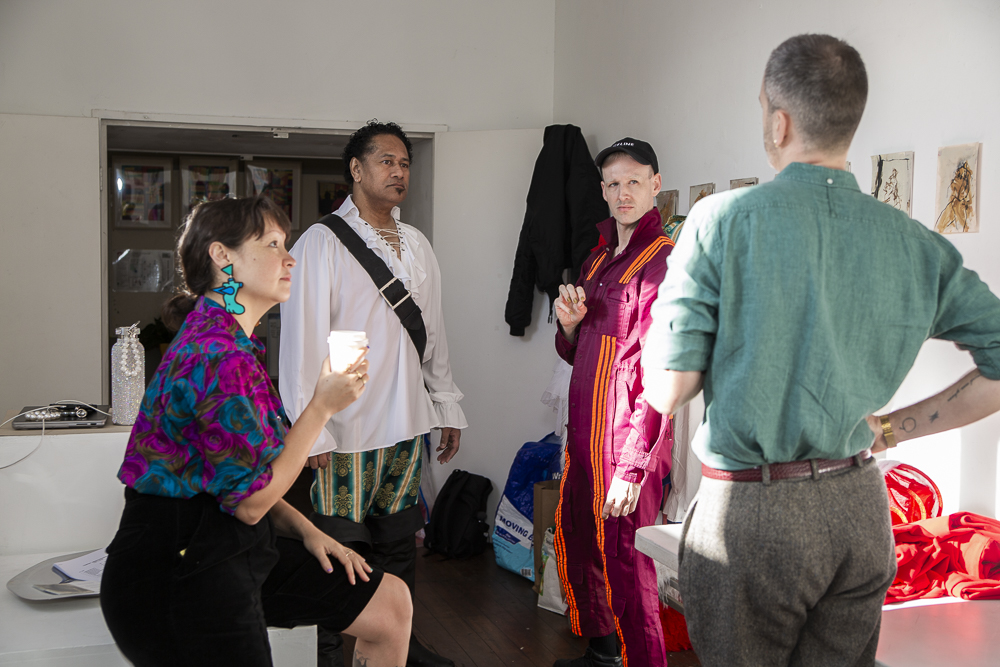
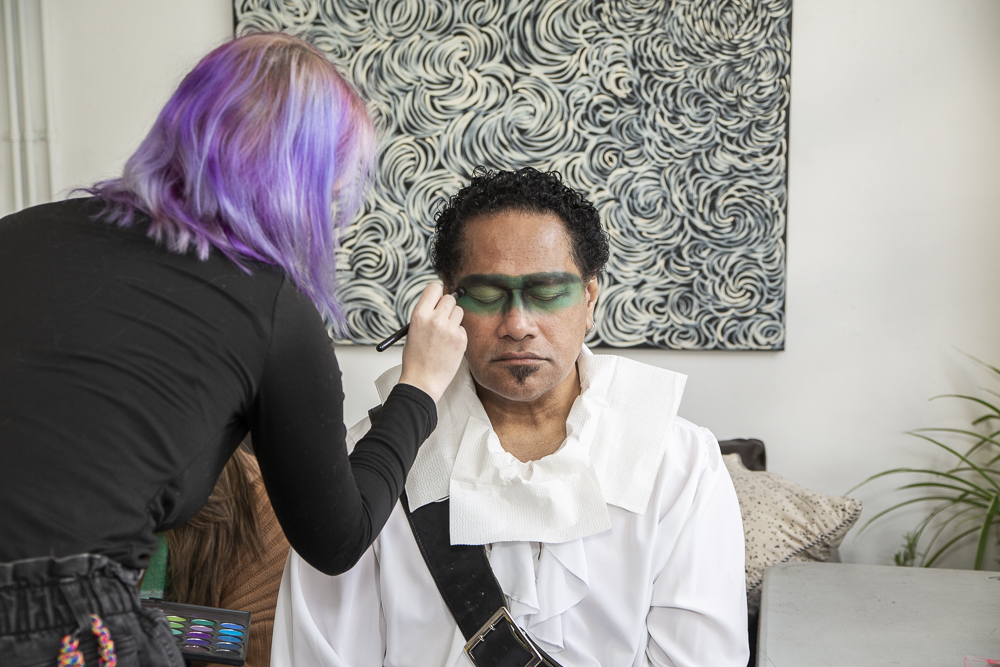
Image credit: Emily Jacir, The Belly Cries and the Dogs Laugh, performance as part of the 25th Biennale of Sydney, March 14, 2026. White Bay Power Station, Entertainment Hall. Photograph: John McRae
One of my photographs of the Emily Jacir rhythmic performance The Belly Cries and the Dogs Laugh, as part of the 25th Biennale of Sydney at White Bay Power Station, has been reproduced as an official postcard for the event. Meanwhile Jacir’s video installation at the White Bay Power Station remains on view until the Biennale closes on June 14.For the full story, see my previous blog post from March 30. https://www.johnmcrae.com/emily-jacir-at-the-sydney-biennale/
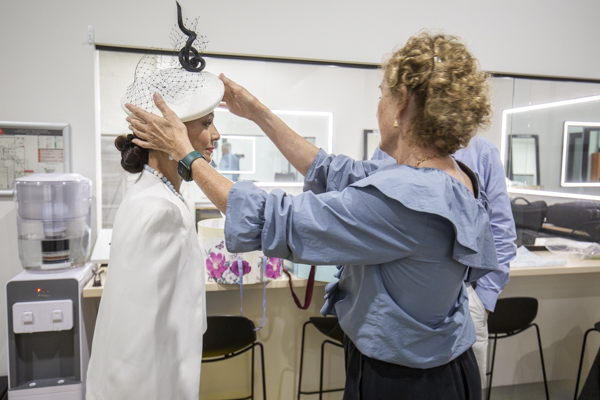
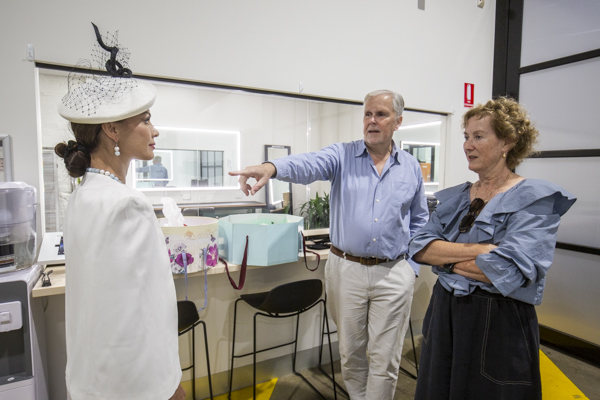
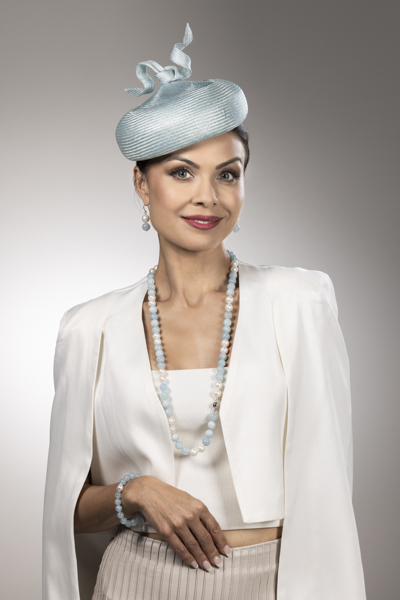
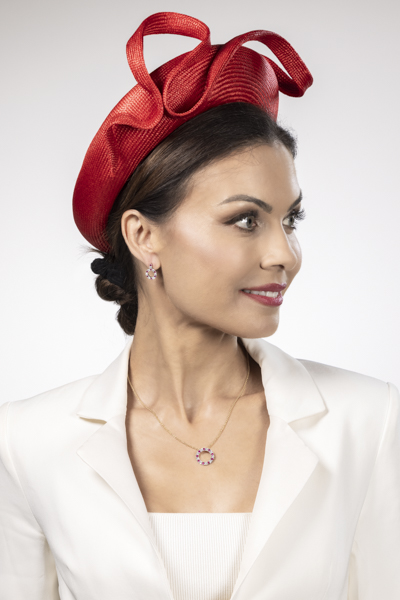
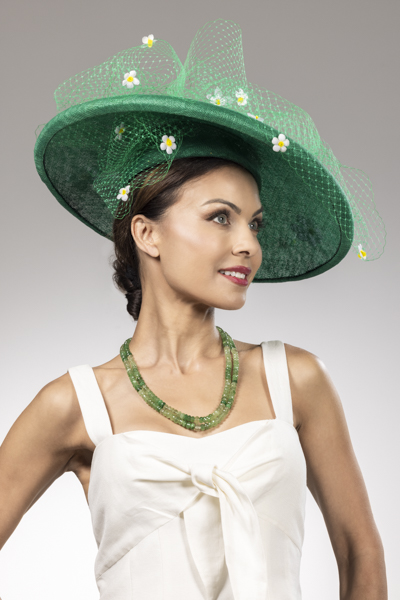
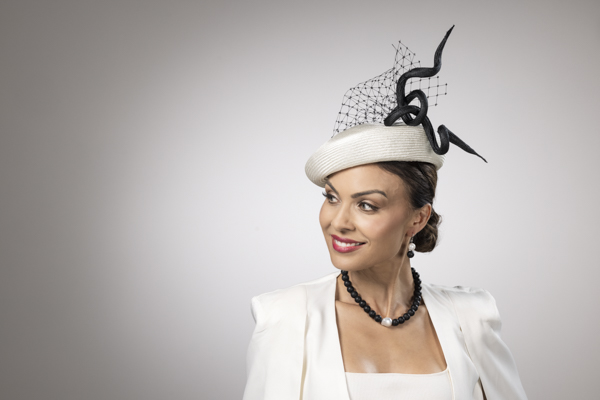
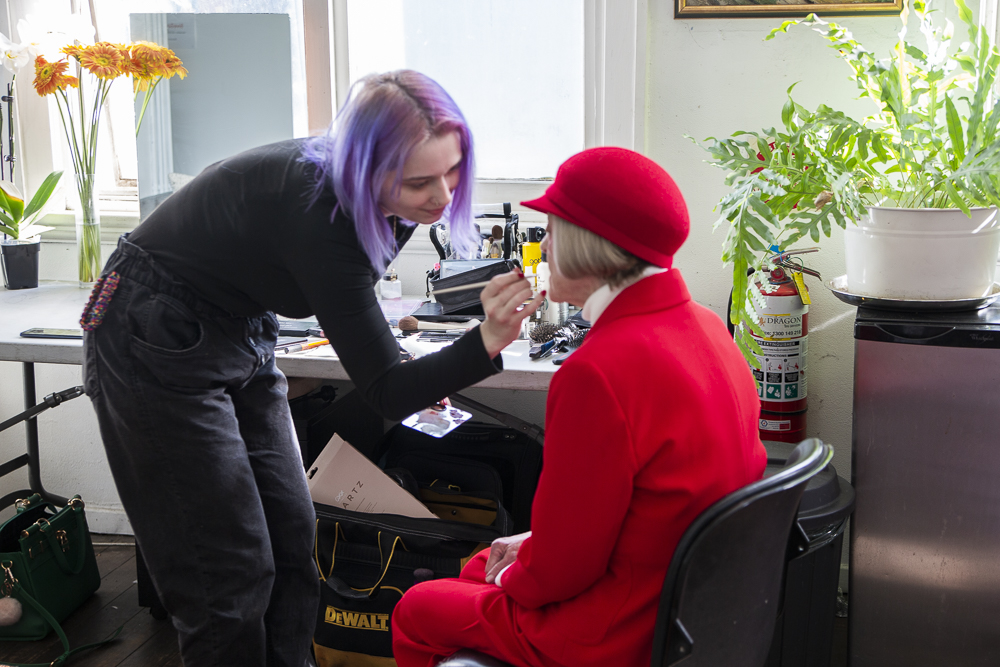
Louise Macdonald (Milliner) positions one of her hats on Carmen (model)
I always love it when I have a reason to head to Melbourne for work. Melbourne was my old stomping ground in my late teens and early 20’s, while I was studying for a science degree at Monash University. I enjoyed that time discovering all that the city had to offer, a far cry from the dairy farm I grew up on. Now living in Sydney for what seems like a life-time, it’s somewhat nostalgic to have a reason to head back down to Victoria.
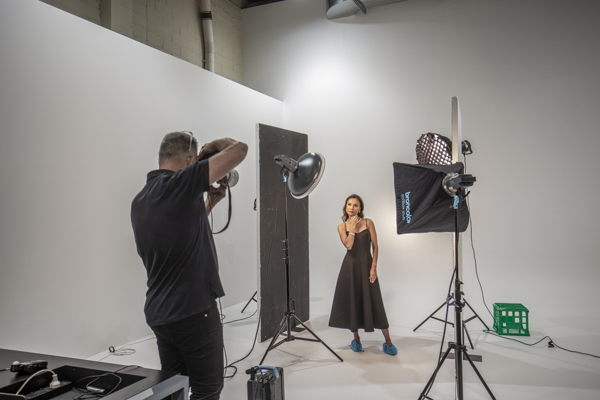
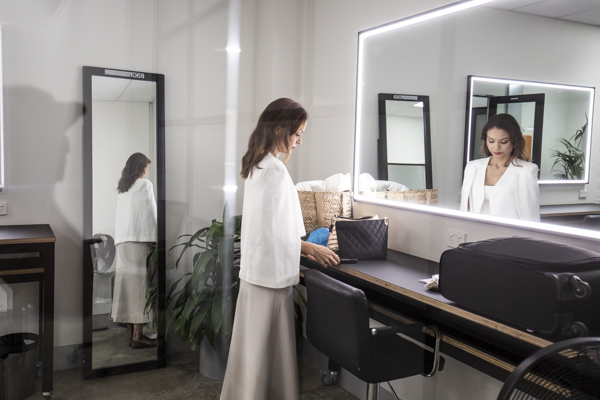
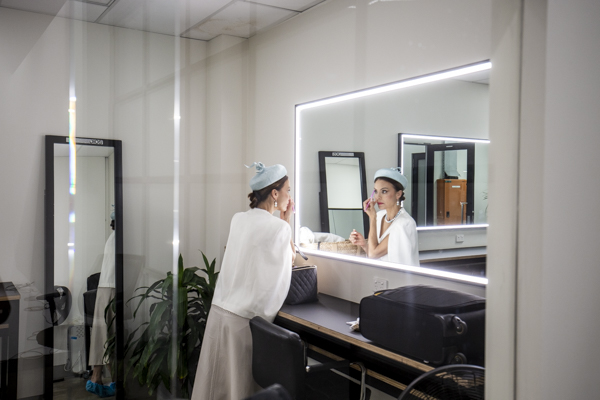
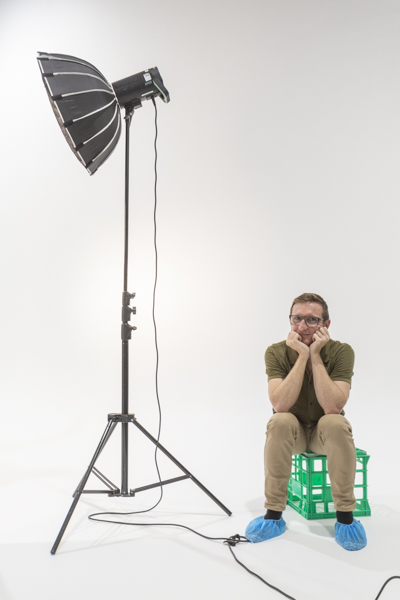
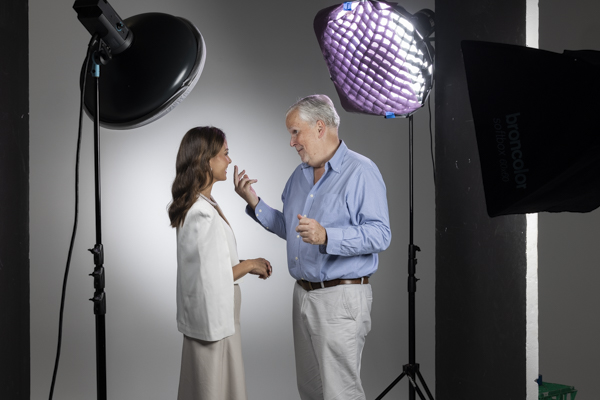
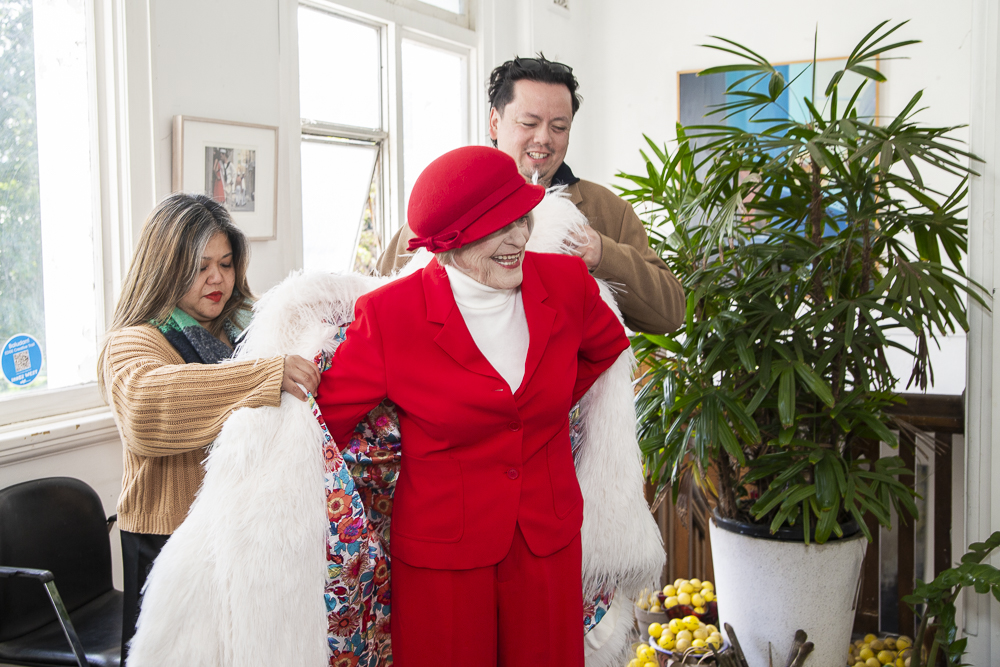
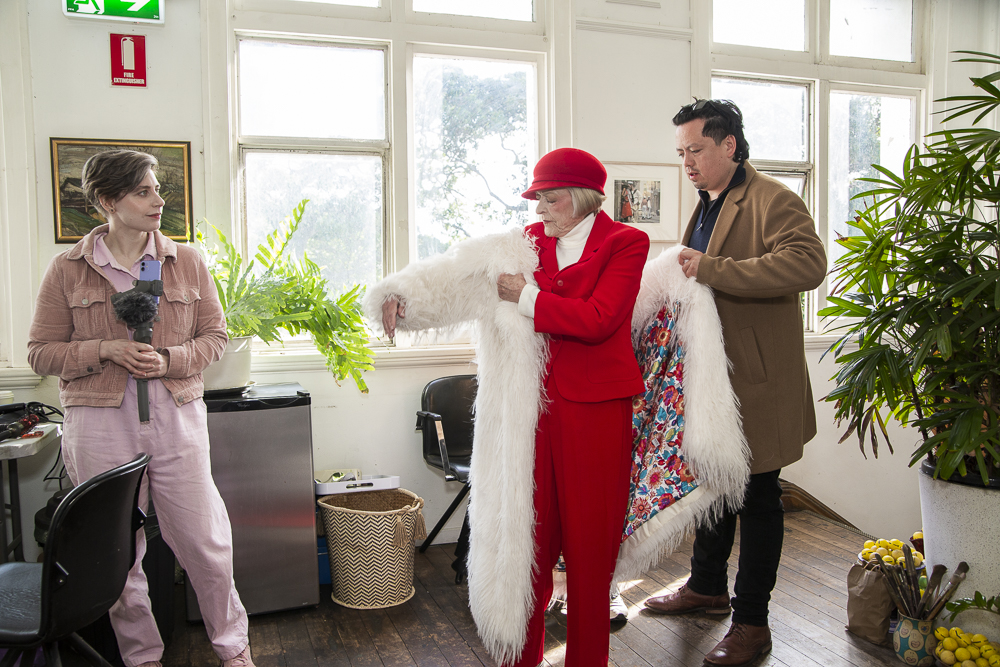
The shoot begins…Louise and Adrian styling CarmenNed taking a breakAdrian and Carmen having fun on set
I was shooting the lovely Carmen, who was once again modelling for Adrian Dickens of Circa AD Jewels. This time Adrian was also collaborating with the talented milliner Louise Macdonald
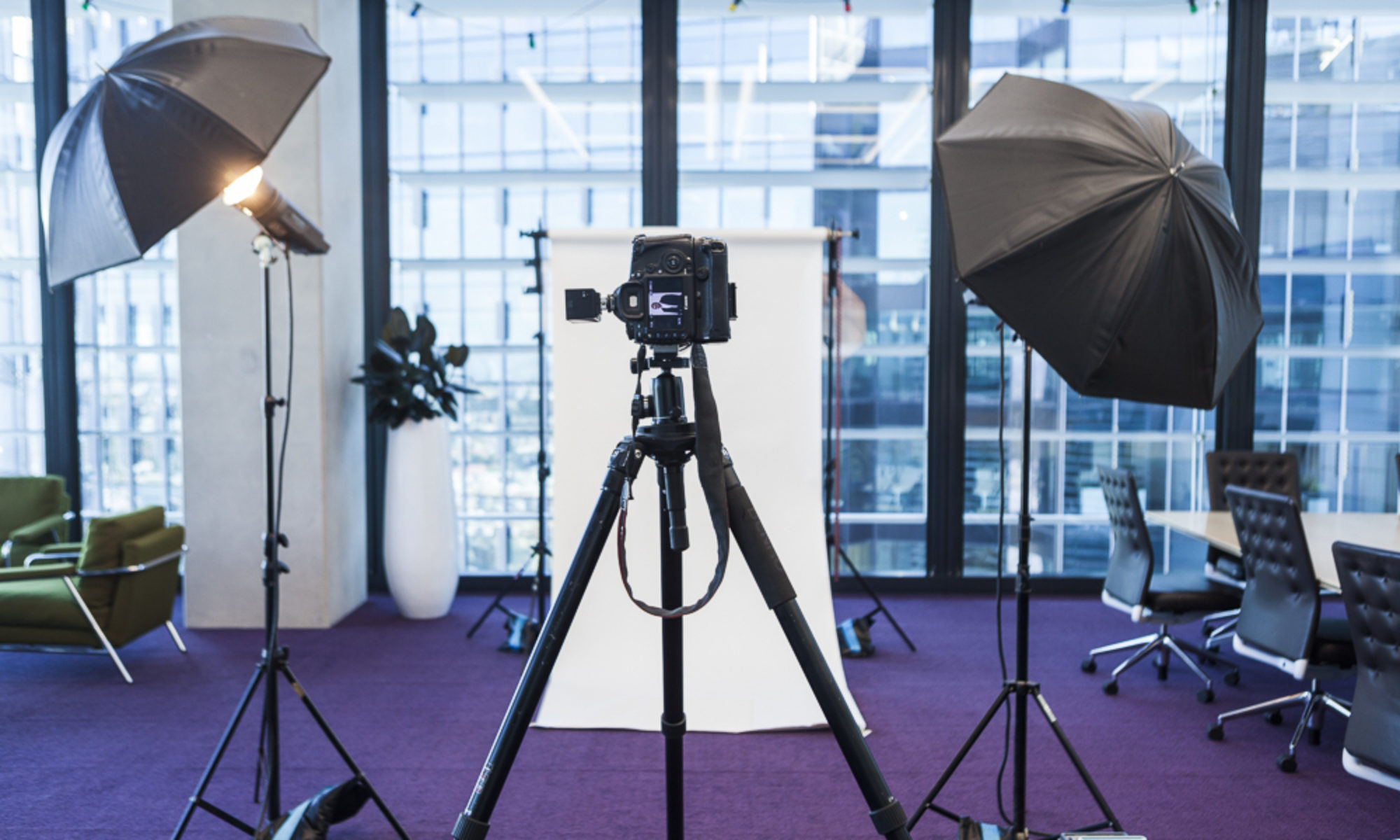
On a perfectly sunny morning, we all met up at Sun Studios in Melbourne to start the shoot. I was assisted by Ned Roche, my trusty “right-hand man”. It was a perfect team. Everything flowed smoothly and there was space to enjoy ourselves while we worked.
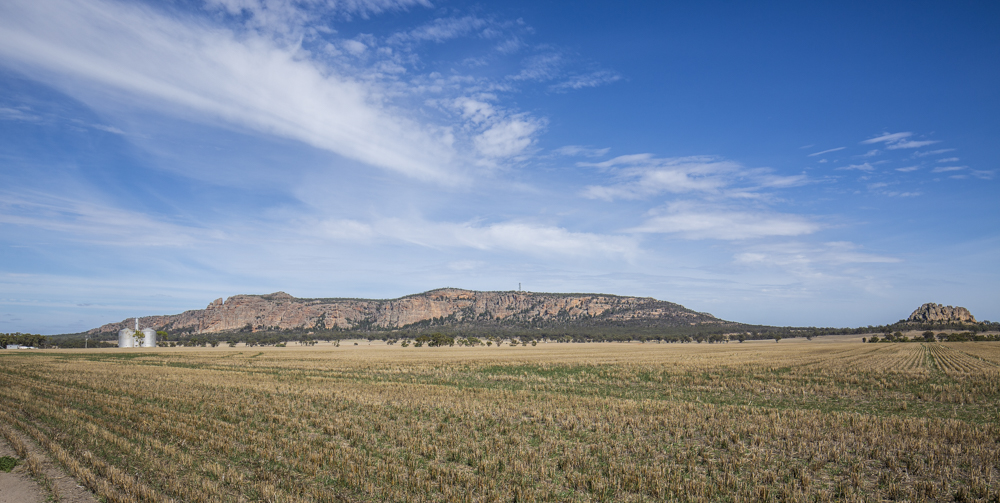
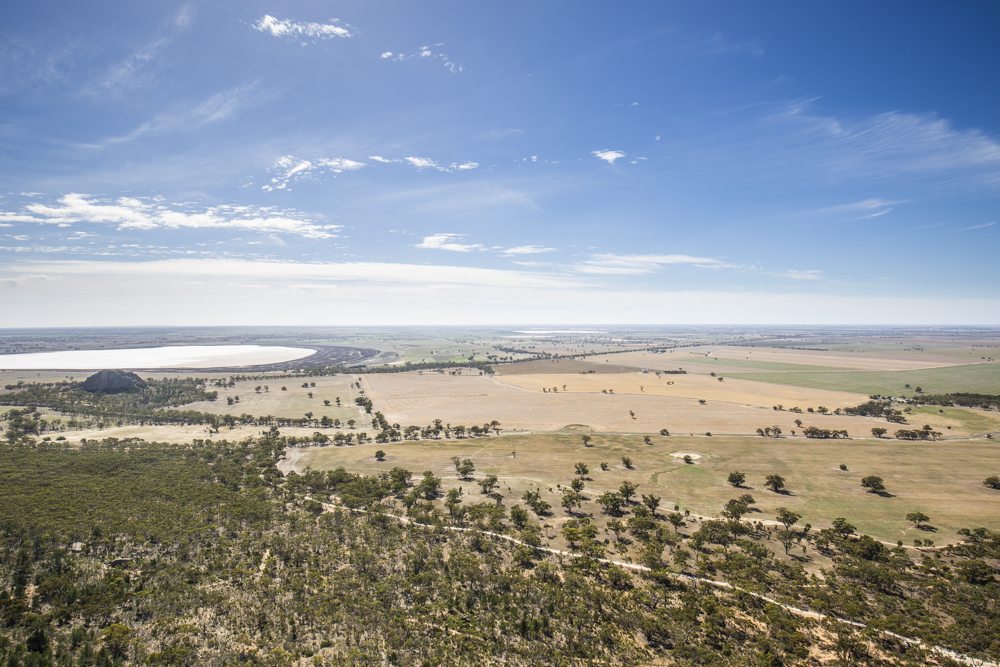
At the southern tip of the Great Dividing Range, the mountain range that extends from the eastern seaboard of Queensland all the way down to Victoria (almost 3,500kms), we find the final “last hurrah” of this massive natural edifice before it fades off into the flat regions of the Wimmera Plains. Here we find Mitre Rock and Mount Arapiles.
Mt Arapiles (left) with Mitre Rock (the blimp to the right)
I spent my Easter break on a family farm at Grass Flat, smack bang in front of the enigmatic Mount Arapiles. Mount Arapiles is well known amongst the mountain-climbing community in Australia and abroad for the quantity and variety of the various climbs. For me, however, it represents a familiar landmark in the landscape where I was born.
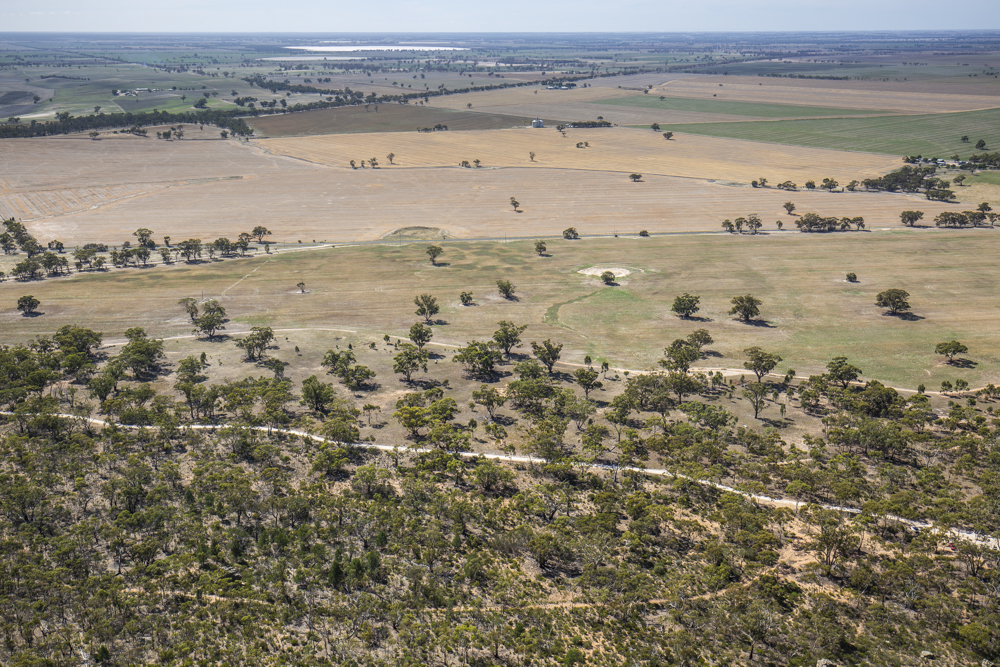
On approach to Mt Arapiles
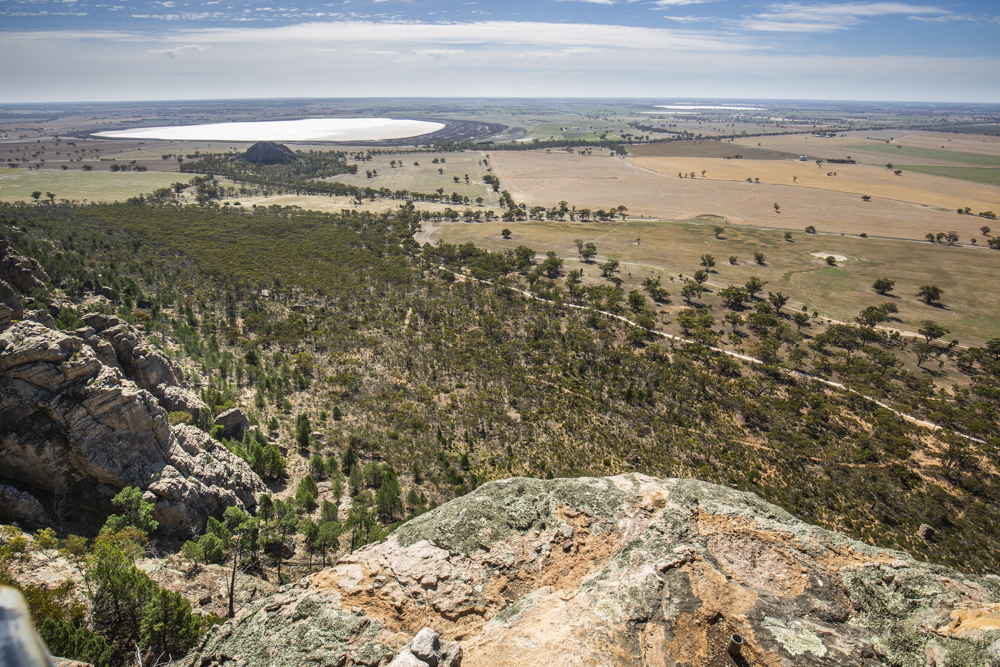
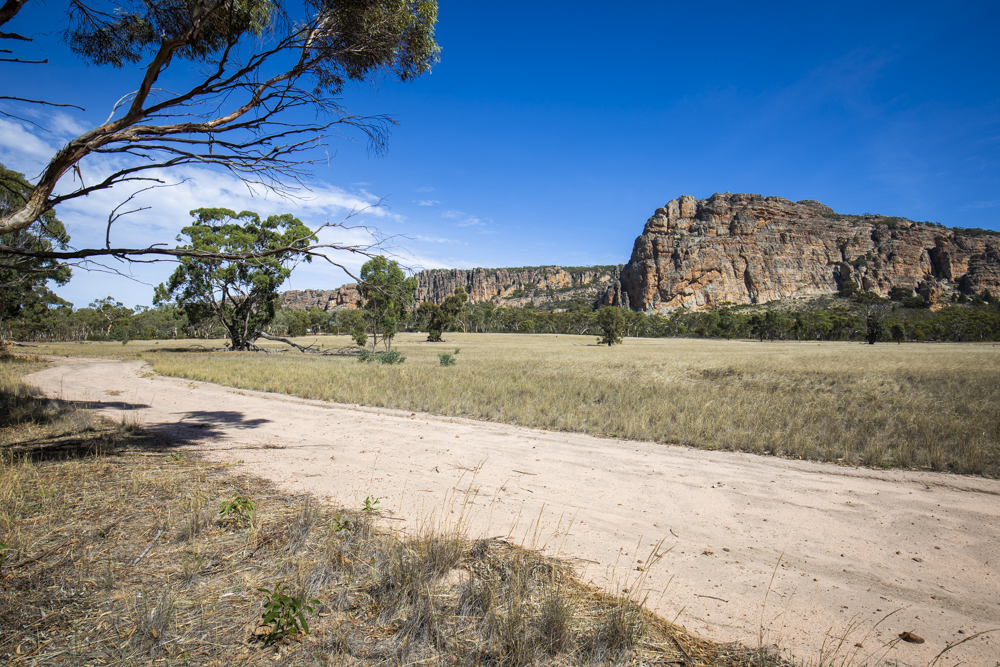
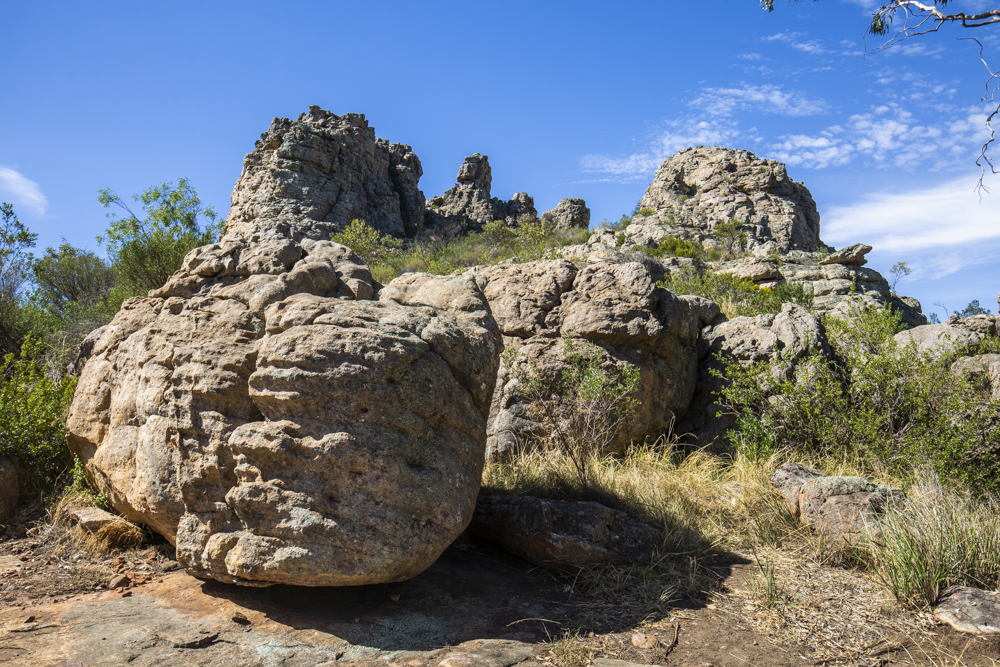
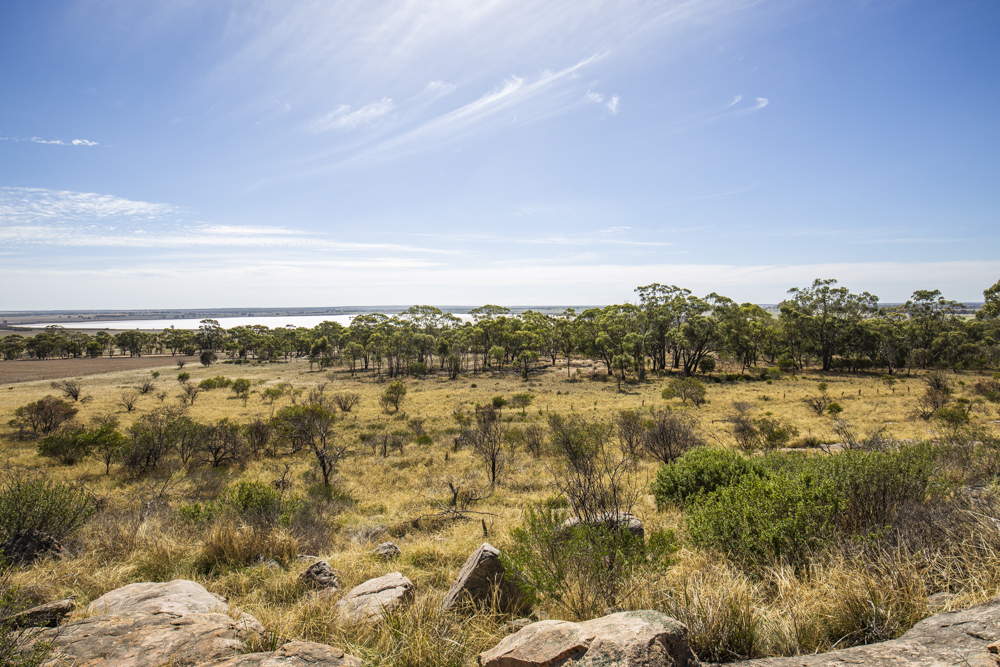
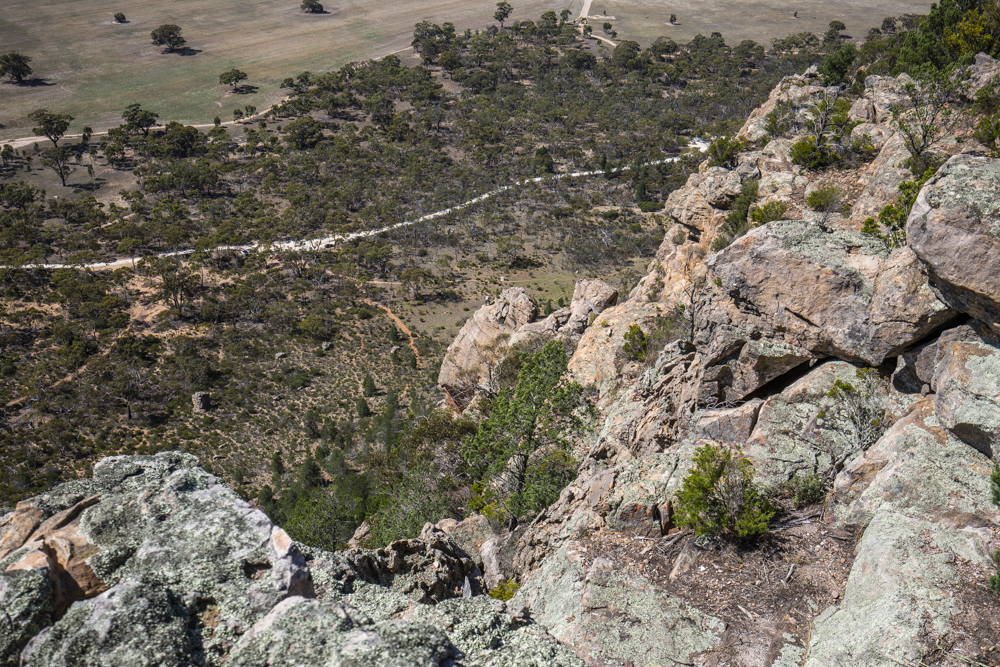
Naturally I made a few shots of the area when I took a drive around the rock during my stay … see the images posted here.
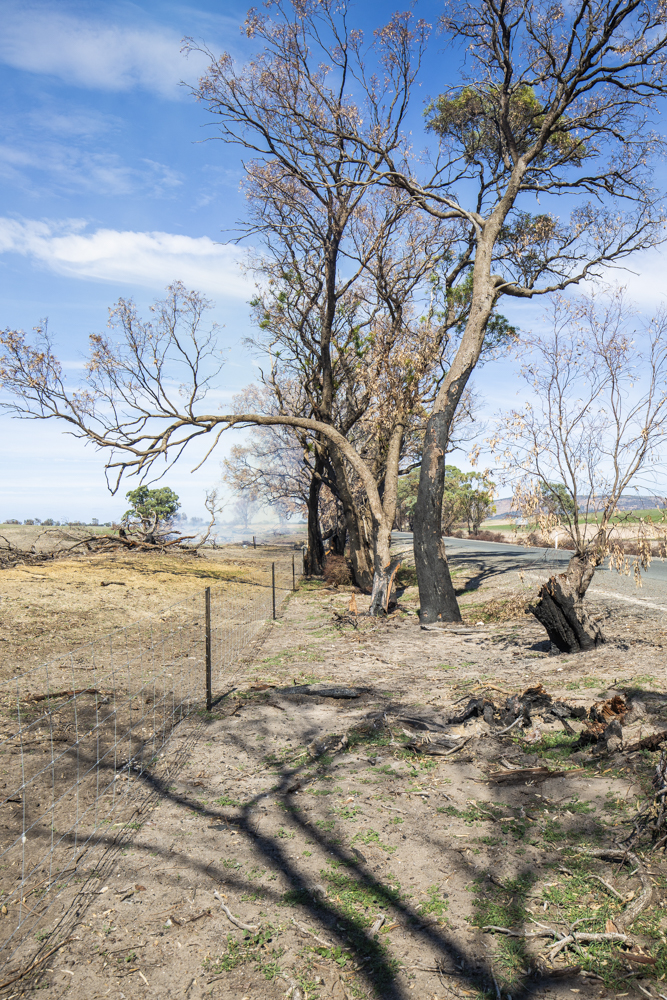
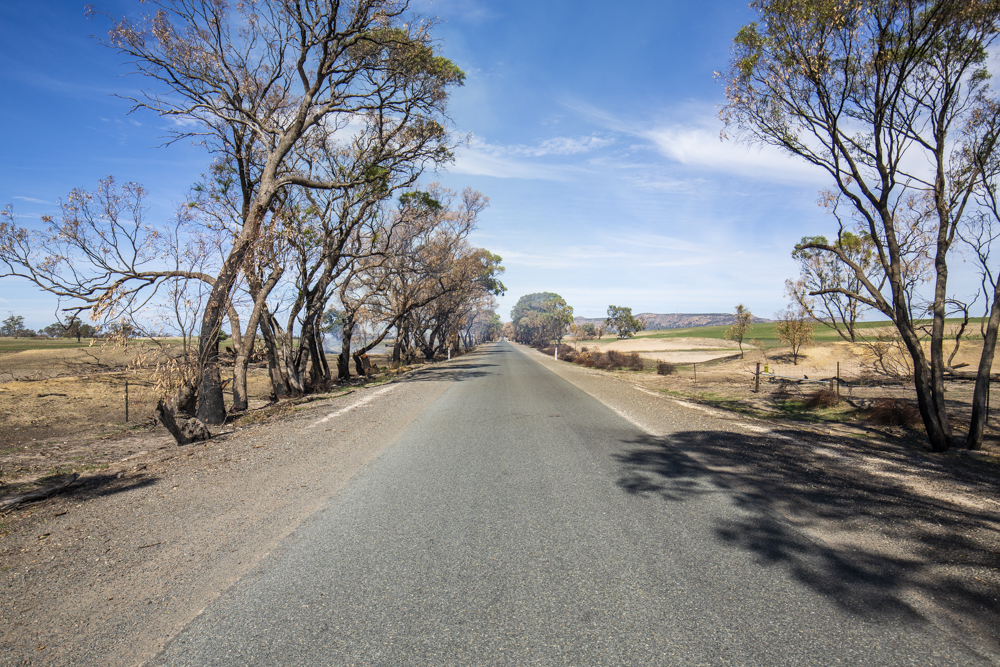
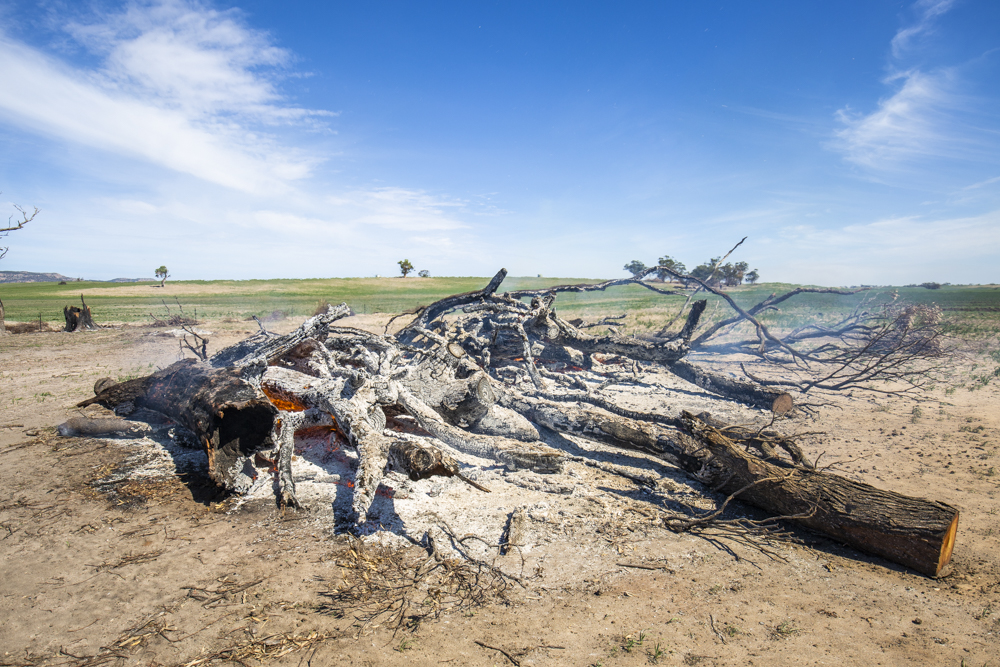
As I travelled through the rocky terrain, I passed the reminders of the devastation of the recent fires that hit the area, destroying homes and properties. Some of the farmers were “burning off” the debris on their properties so as to reduce the fuel for any future threats.
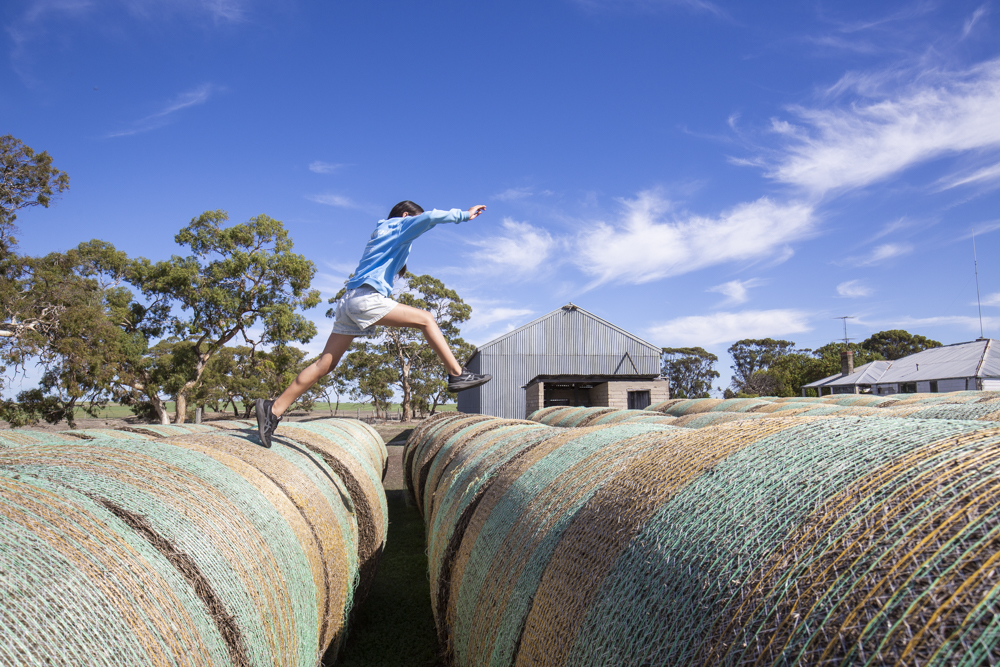
Straddling the hay bales is a fun pastime when you’re visiting the remote family property that once belonged to your grandfather.
Sydney-based photographer John McRae is a long-time collaborator with Olympic gold-medal diver Matthew Mitcham. Since before 2008, when Mitcham won gold in the 10-metre platform event in Beijing with what was then the highest-scoring single dive in Olympic history, McRae has been documenting Mitcham’s evolution from an uncertain youth into a self-possessed, globally recognised sportsman and actor.
Several of McRae’s portraits of Matthew have appeared on the covers of international magazines, revealing Mitcham’s role as an accomplished performer — at ease with his physical prowess, his stage presence as a theatrical actor and his emotional candour. One of McRae’s portraits was also reproduced on the cover of Mitcham’s 2012 autobiography “Twists and Turns”.
“Essentially, I am using my camera as a tool for tracking and mapping a personality,” says McRae. “Over the years, our working relationship has developed naturally and easily, alongside a growing friendship. In many ways these images are snapshots of the interaction between photographer and muse. I’m interested in turning the camera toward that exchange.”
This newly made portrait marks the continuation of their ongoing series – their 16th annual image produced together. The previous portrait was taken in 2022; a three-year gap shaped not by intention but by geography, with photographer and subject living half a world apart. Reuniting in 2025 brings an added resonance — a sense of return, of picking up a visual conversation mid-sentence. Time, distance and experience are quietly embedded in the image, contributing to its depth and maturity.
Both McRae and Mitcham have long agreed that this body of work will continue for as long as circumstances allow — a shared commitment to subtle observation, innovation and trust.
John McRae’s portraits have been finalists in many of Australia’s most significant art prizes, including the Olive Cotton Award, the National Photographic Portrait Prize, the Moran Portrait Prize, Head On Portrait Prize, the Blake Prize and the Josephine Ulrick & Win Schubert Award. His work has been exhibited widely throughout Australia and internationally, and he continues to explore intimacy, self-awareness and the evolving nature of identity through long-term photographic relationships.
Matthew has returned to Australia to perform in the cutting edge play “Afterglow”. The Sydney season runs from 26 February – 22 March at the Eternity Playhouse (see this link:) “Afterglow” also has a Melbourne season at Chapel Off Chapel performance space, Prahran, from 30 January – 21 February. (For details click on this link:)
Matthew Mitcham Annual Portraits – full series, starting in 2008 (the year Mitcham won the gold medal at the Beijing Olympics for his record-breaking 10-metre platform dive)
Various out-takes from the shoot. As we can see…Matt hasn’t lost his sense of the ridiculous
Last week I photographed an event hosted by the Heart Research Institute (HRI) in Newtown. The HRI is a world-leading medical research institute dedicated to understanding, preventing, and treating cardiovascular disease — the single biggest killer globally. Their pioneering research spans from molecular science in the lab through to clinical studies that directly improve patient care.
The evening began with a warm reception where guests gathered over food and conversation. It was a chance to connect supporters, researchers, and members of the community in a relaxed setting, before moving into the more formal part of the program.
The highlight of the night was a talk by Professor Ben Freedman, who shared his expertise and insights into cardiovascular research and, in particular, atrial fibrillation (AF) — a common but often underdiagnosed heart rhythm disorder that greatly increases the risk of stroke. Professor Freedman’s presentation was both engaging and informative, bringing clarity to a complex subject and underscoring the importance of early detection and treatment.
Adding a deeply personal dimension to the discussion, Mrs. Maggie Smith shared her lived experience of managing atrial fibrillation on a day-to-day basis. Her story offered an invaluable perspective, reminding everyone in the room of the human side of medical research and why the work of the HRI is so vital.
As the evening drew to a close, Professor Freedman demonstrated some of the latest gadgets and tools now available to help monitor “heart health.” From wearable devices to digital innovations, these practical examples gave the audience a glimpse into how cutting-edge research is translating into everyday care.
Events like this are a reminder that medical research is not just about lab results or statistics; it’s about people, their lives, and the potential for science to create healthier futures. I’m grateful to the HRI for the opportunity to document the event and witness the powerful intersection of research, community, and personal experience. Plus on a personal note, I find these subjects extremely interesting as it reminds me of the passion I had as a young science student, studying pharmacology and immunology at Monash University…in another lifetime.
I have been shooting the work of Charles Cooper over many years and more recently a new collection which he is about to show at Annandale Galleries. Charles is a seasoned mid-career Australian artist with an impressive exhibition history.
“Geographics 2025” – Charles Cooper at Annandale Galleries Exhibition Dates: 17 September – 18 October 2025 Venue: Annandale Galleries, 110 Trafalgar Street, Annandale, Sydney Charles Cooper
Cooper returns to Annandale Galleries for his third solo exhibition at the space, following the notable On Location show in 2022 Annandale Galleries – Charles Cooper.
Geographics 2025 is Cooper’s latest body of work explores the tension between urban order and natural entropy. His paintings turn the everyday cracks and repair lines of city roads into compelling studies of texture, colour, and abstraction. As curator Andrew Christie writes, Cooper “plants the seed of perception” — drawing viewers close to appreciate minute detail before inviting them to step back, revealing subtly modulated abstractions that pulse within everyday surfaces.
Born in Sydney in 1952, Cooper has built a distinguished career of solo and group exhibitions both nationally and internationally, while also teaching drawing at the National Art School Annandale GalleriesAnnandale GalleriesMutualArt.
Pictured: Steven Kramer (Writer of Phar Lap), Justin Smith (Cast of Phar Lap), Joel Granger (Cast of Phar Lap) and Sheridan Harbridge (Director of Phar Lap)
Together with various actors, writers, directors and costumers, I recently hosted a series of photo-shoots at my studio for the Hayes Theatre Company, in preparation for their 2026 season. The sessions involved still photographs of various cast members and video production of the actors and crew, filminging light-hearted, voice-to-camera interviews. We also created some grabs of slow-mo action for future marketing content.
Kayla French (marketing) commits herself to creating content with Joel Granger (Cast of Phar Lap)
Richard Carroll (Artistic Director) checks in with Billie and John (Cast Members)
Billie (Cast) in makeup with Ashleigh Grace (MUA)
Final social media images are captured before stepping on set.
Rica Canillas (Marketing, left) working hard with Kayla French (Marketing, right)
Sam Hernandez (Costuming, left), together with Richard (Director, right) adjust Billie’s costume
While the video cameras rolled, I also took the opportunity to capture some out-takes of the working process with my own camera. There was a vibrant and creative mood on set, with the team from Hayes Theatre Company bringing incredible energy to the studio. Moments like these are a powerful reminder of just how much collaborative effort goes into producing a theatrical season, with the contributions of so many talented individuals coming together behind the scenes.
Sam Hernandez (Wardrobe/Stylist) makes final adjustments to Billie Palin’s costume on set.
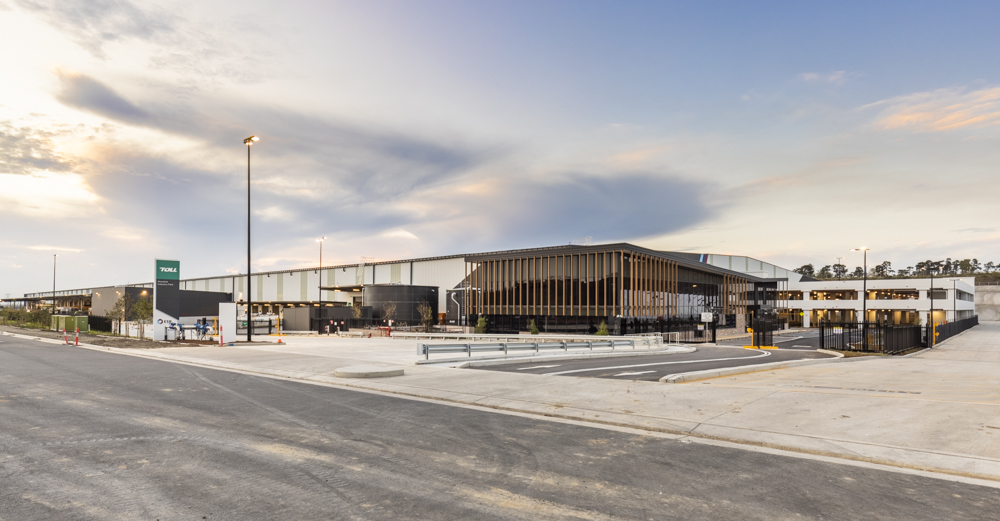
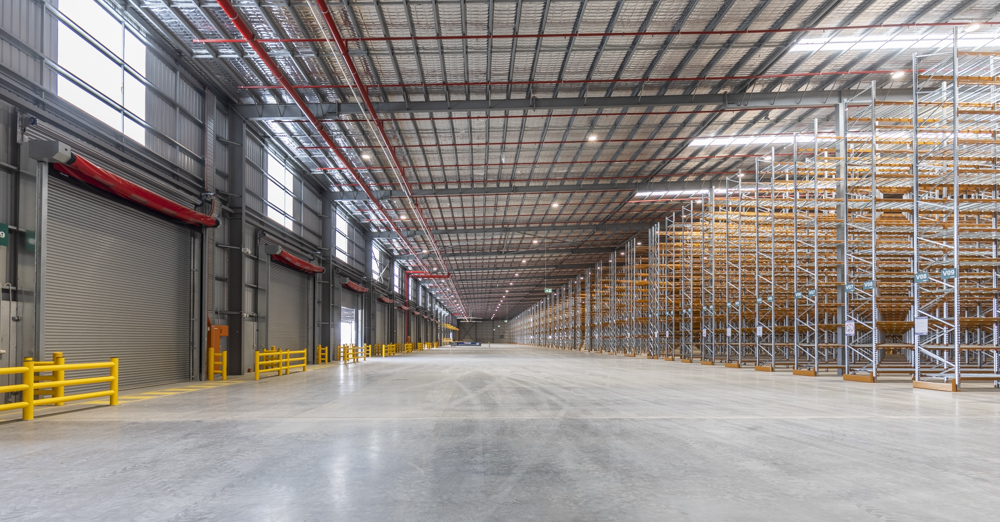
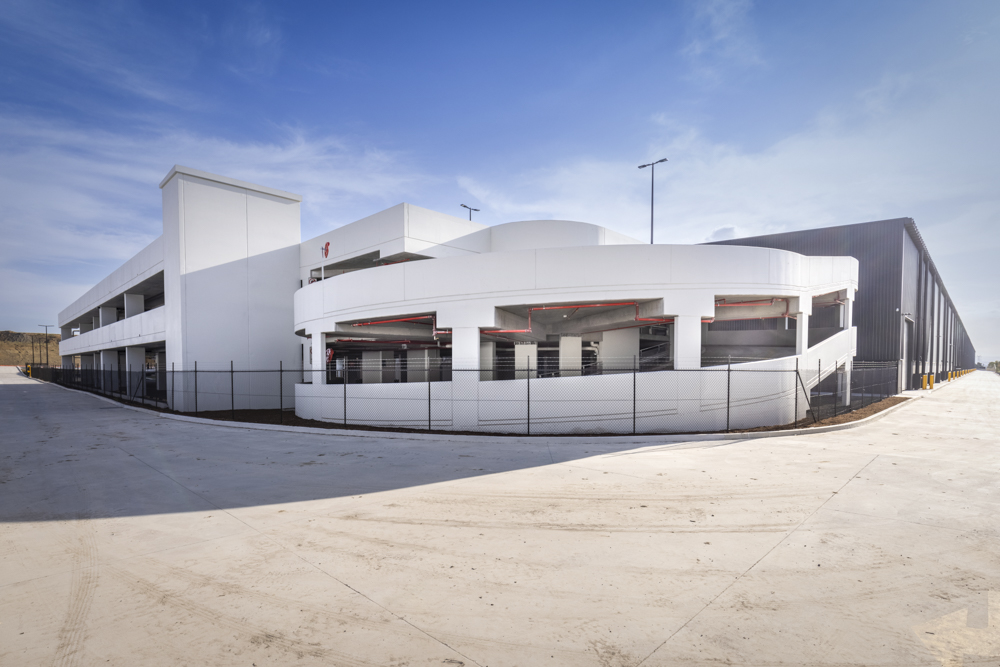
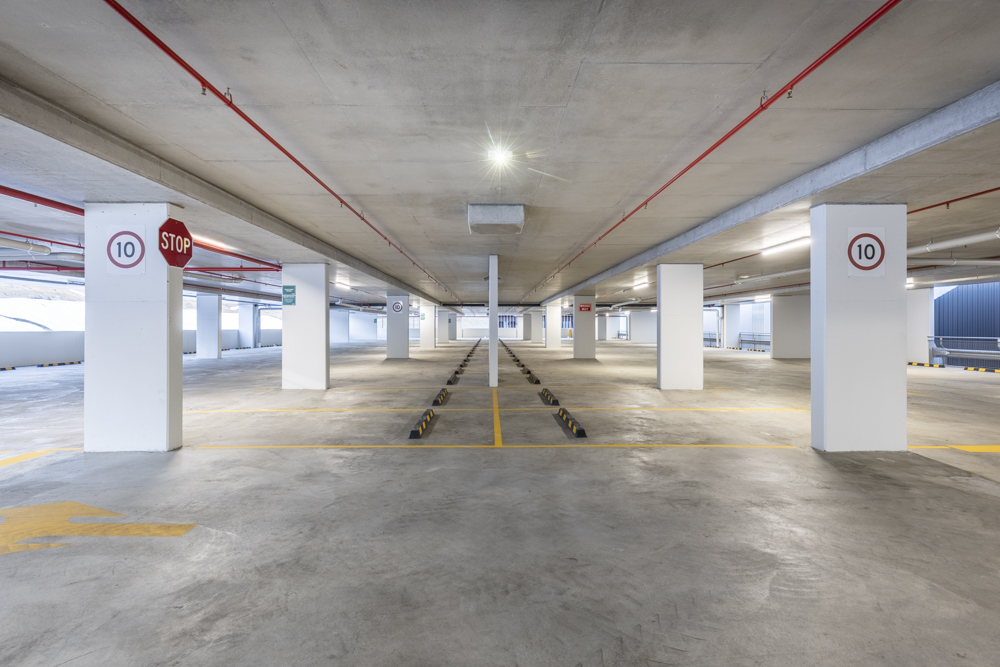
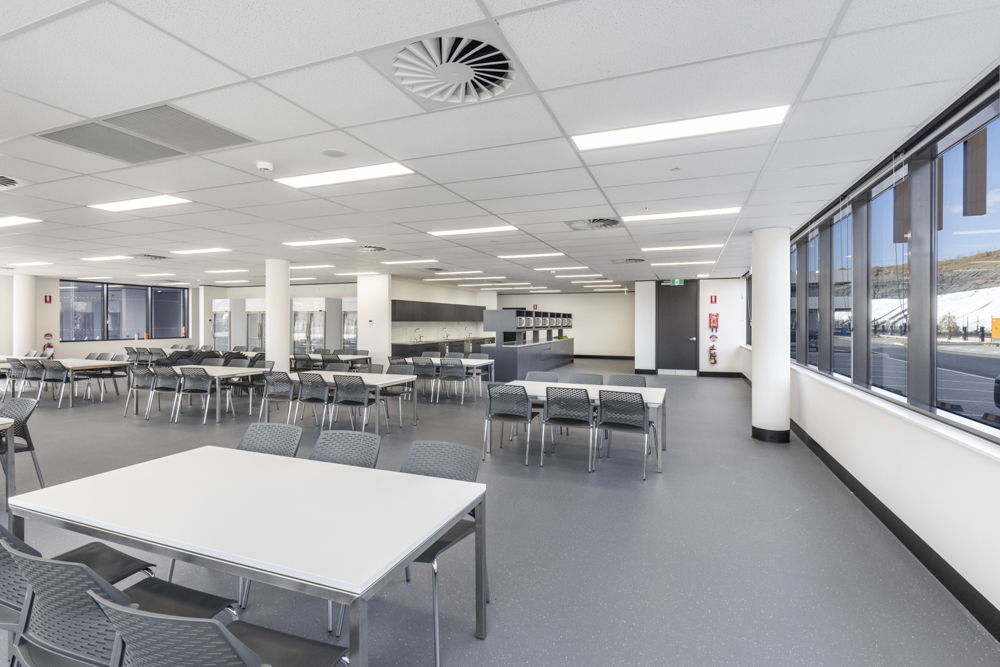
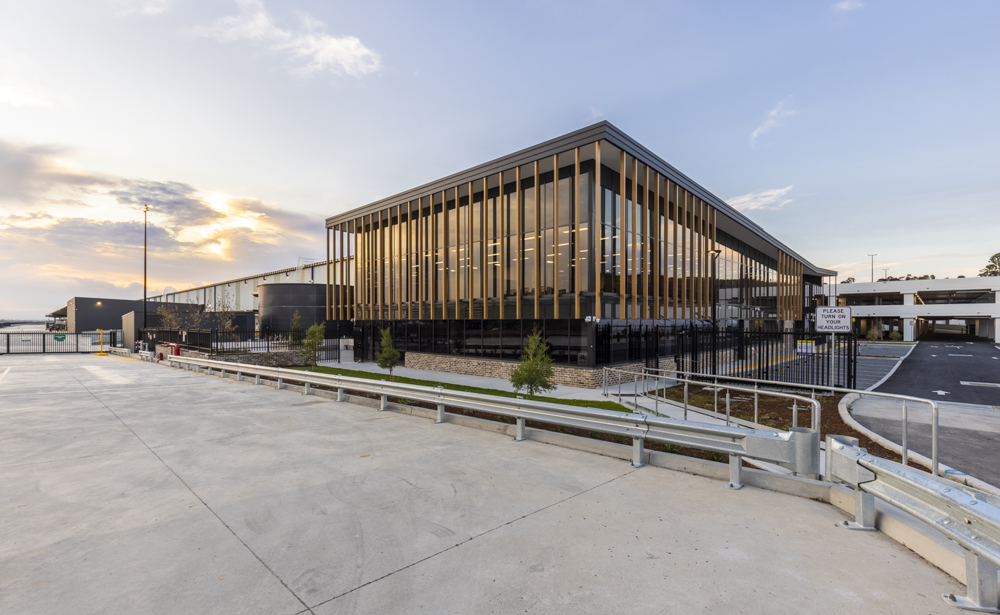
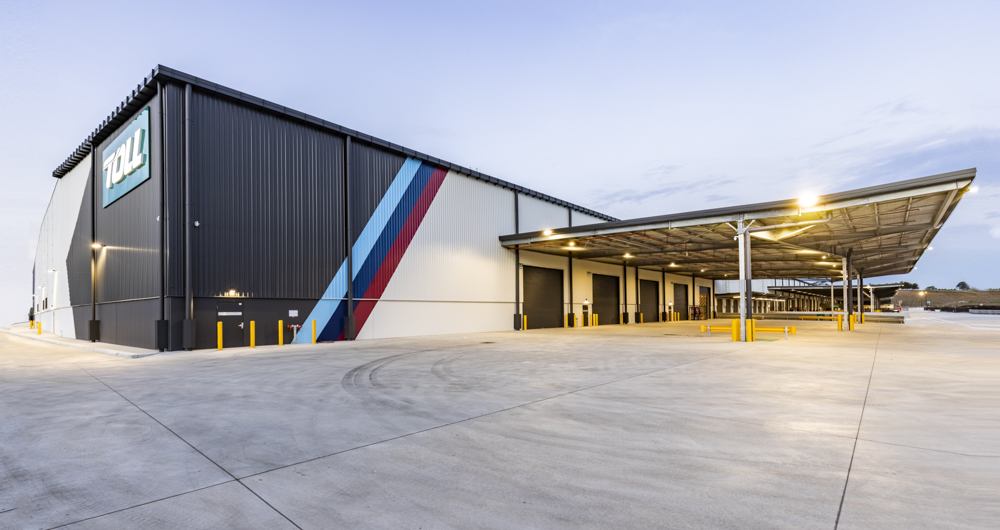
Recently, I headed out to Kemps Creek in western Sydney to photograph a newly completed warehouse development for ESR — a global real estate company specialised in logistics and industrial property. The vast building itself is now home to Toll, one of Australia’s largest logistics providers. However, I was given access to the site before the handover to the client, while the building was yet to be occupied, to photograph and document the construction project.
There is something strangely cinematic about this kind of assignment, being in an extensive, semi-rural industrial zone. At Kemps Creek, the warehouse looms out of the flat horizon like a modern monolith — part space station, part fortress. It’s like a man-made moonscape, and I found myself almost alone here, just me and my camera, wandering through steel shadows and sharp geometries.
Shooting at a site like this isn’t about catching fleeting human emotion or theatrical performance — it’s about scale, symmetry and silence. It’s satisfying to compose frames that reflect the power and precision of these enormous structures, capturing their relationship to the surrounding landscape and sky.
ESR, the company behind the development, operates across the Asia-Pacific region, investing in and managing spaces designed for logistics, data centres, and e-commerce infrastructure. Their work reflects the backbone of modern trade — quiet, unseen, but critical.
Photographing this development wasn’t just about showcasing a new warehouse with coloured stripes painted boldly across its facade, it was about documenting the scale of contemporary industry and the quiet grandeur of functional architecture. There’s a peculiar peace in being surrounded by so much cavernous space, steel and sky. As a photographer, I find such moments of solitude and shifting scale incredibly rewarding.
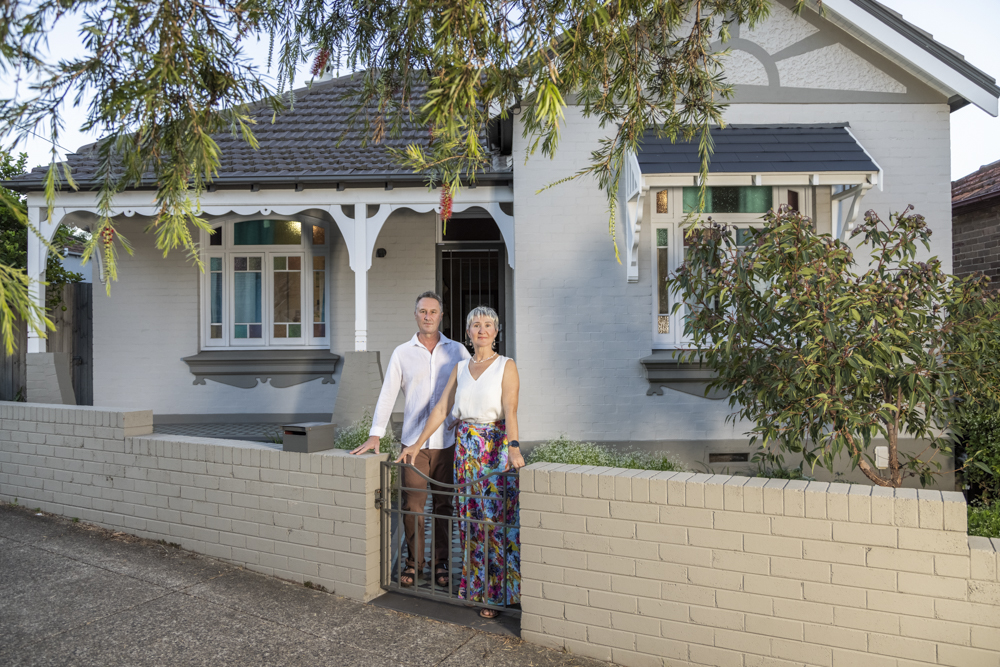
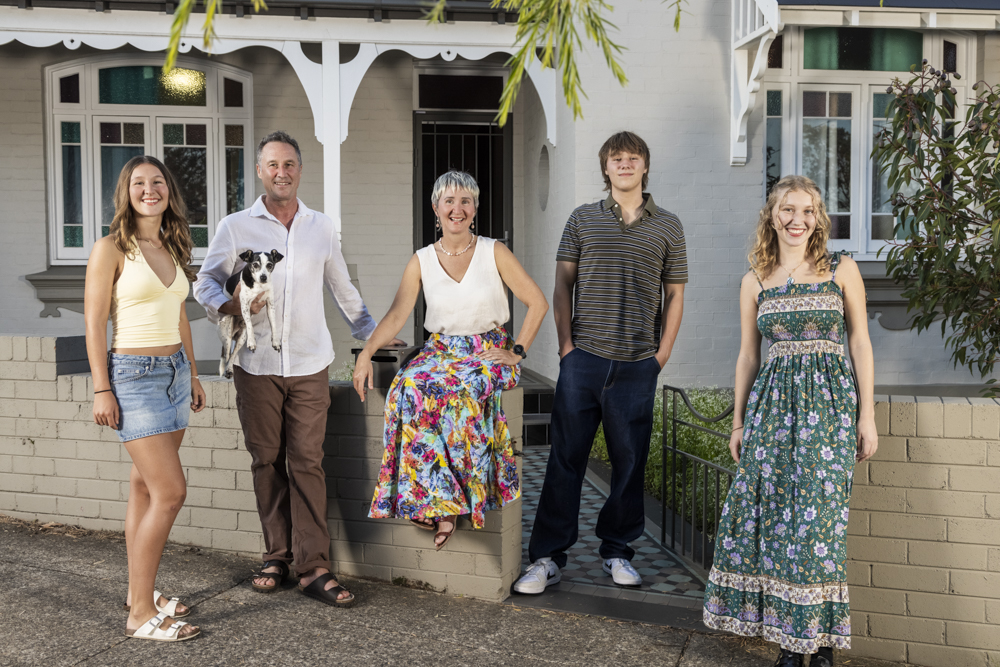
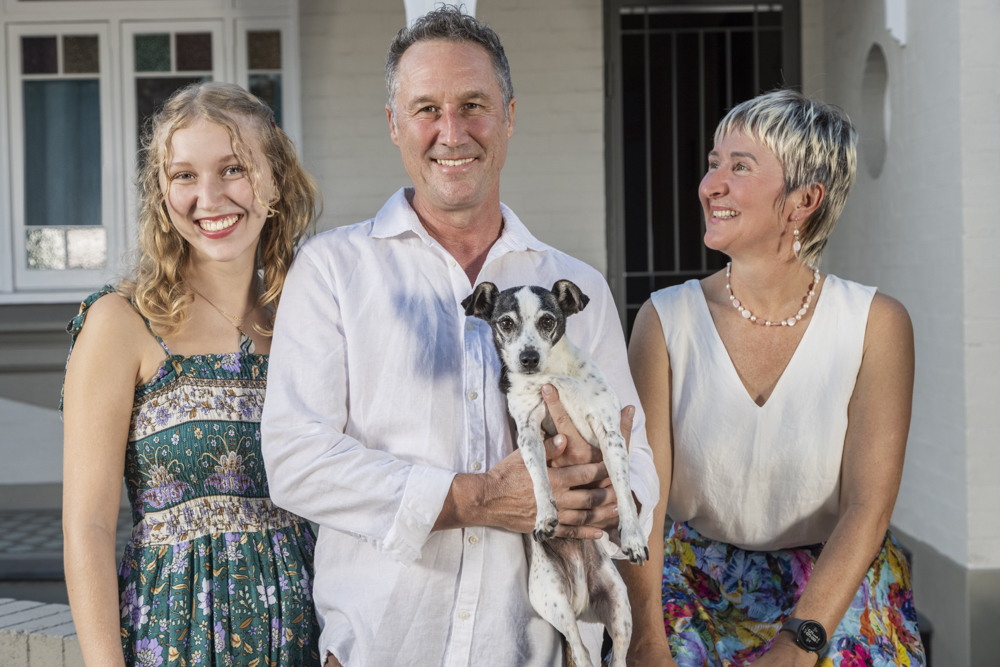
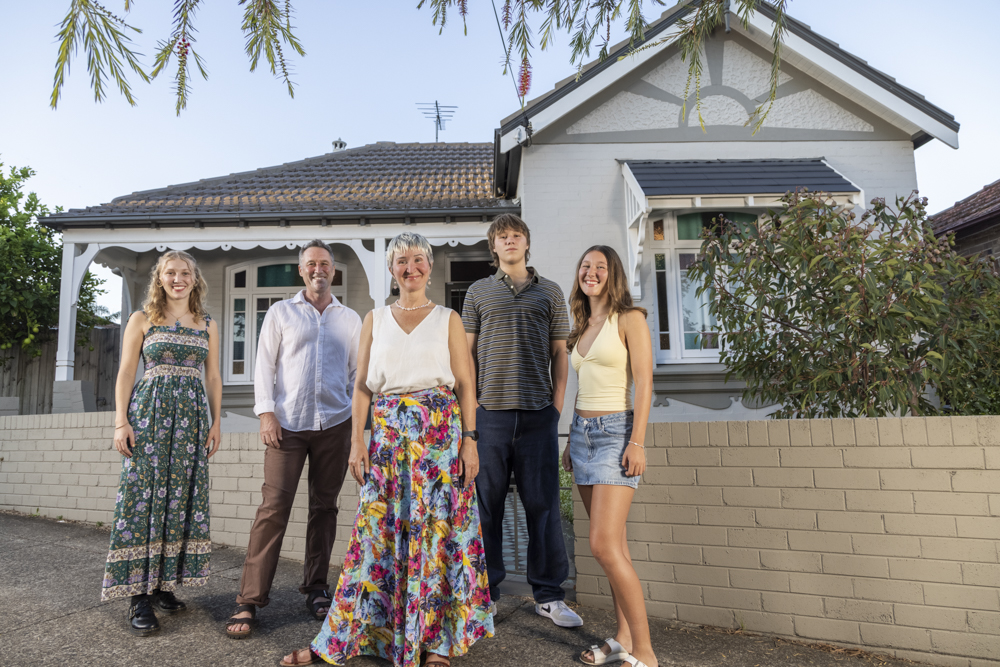
Family portraiture is a universal category in photography … but I do not often get the opportunity to shoot this genre. Although I mostly concentrate on corporate, theatre and general commercial work, I was recently asked to photograph a Sydney family at home.
Jackie and Gerard wanted a photographic document that would be a snapshot recording a time in their family’s life, making an image that they could refer to in the future. They particularly wanted the family to be photographed in front of the family home in Sydney, showing the house where the kids had grown up. I thought that was a great idea.
So, on a temperate autumn evening, I ventured to their family home. We shot a series of portraits of Jackie, Gerard, Majella, Jimmy and Frankie in various combinations and poses, also with their pet dog. It was a great exercise in contributing to part of a family’s heritage.
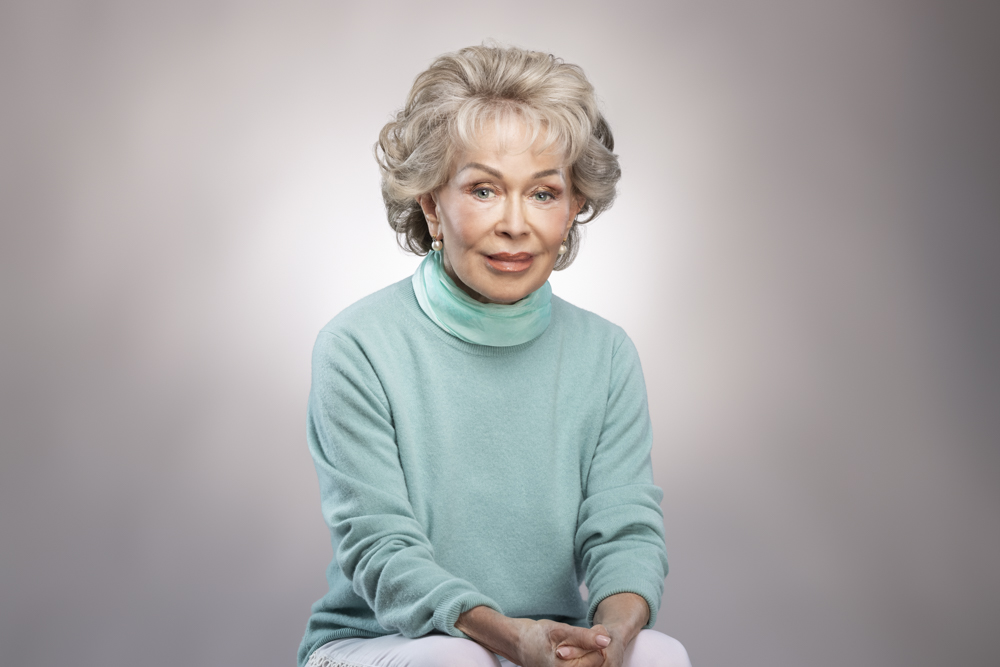
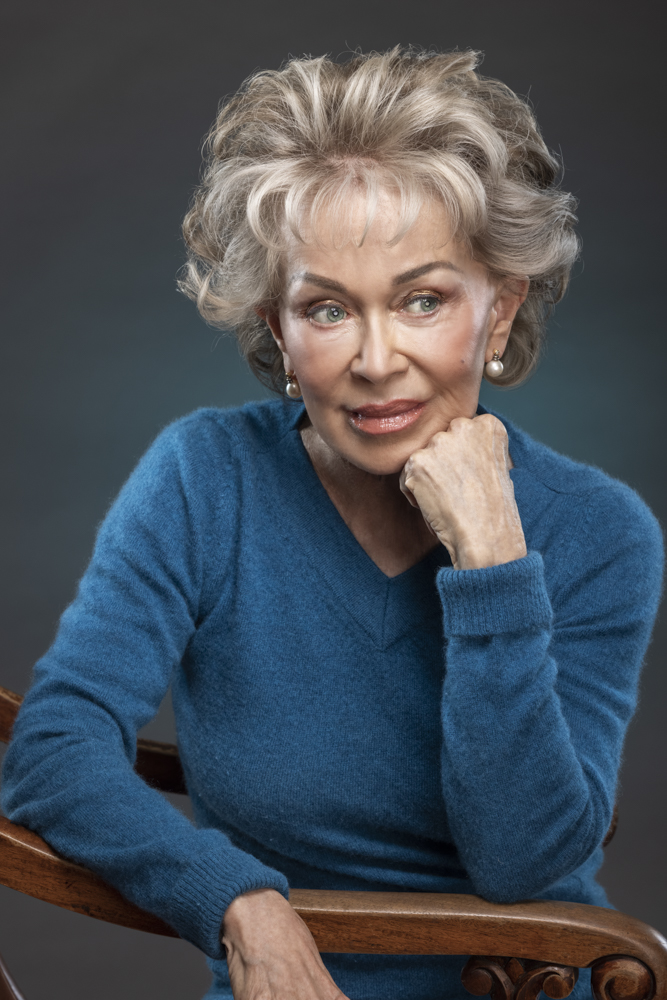
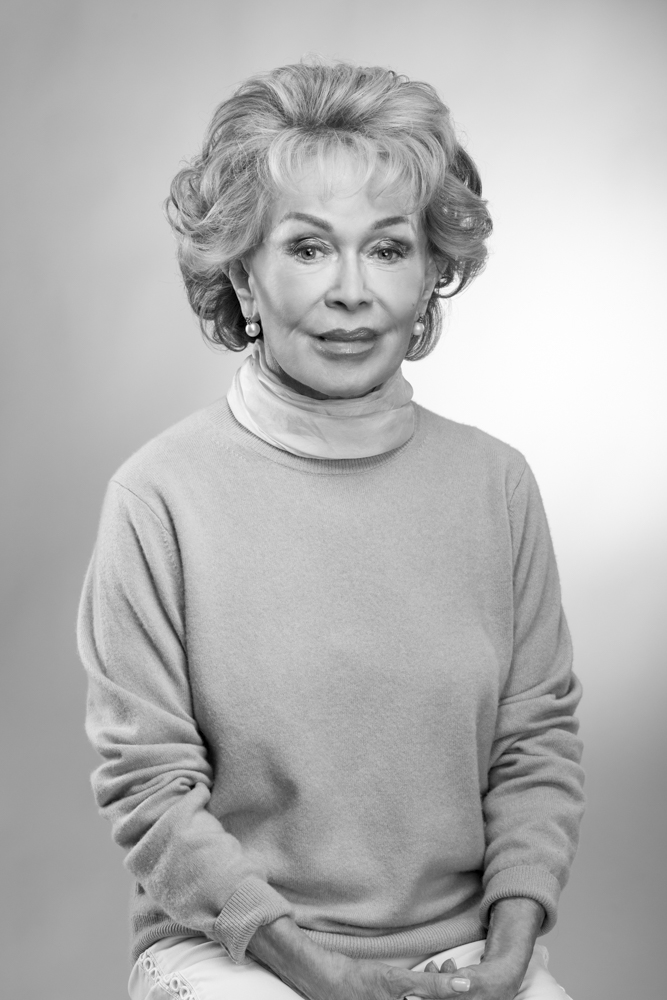
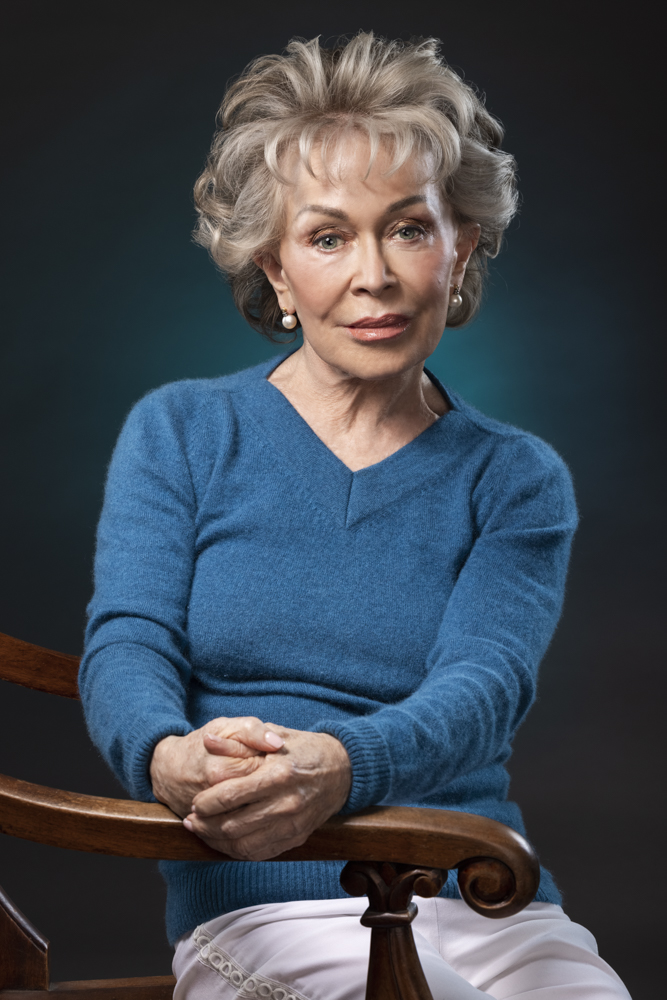
Acclaimed author Blanche d’Alpuget recently stepped into my Sydney studio to create new imagery for promotion aligned to the release of her latest novel, “The Bunny Club”.
What an absolute joy it was to work with this gorgeous and intelligent lady. We were shooting a variety of portraits and basic head-shots, so we concentrated on changing what she was wearing, alternating the colours of her outfits.
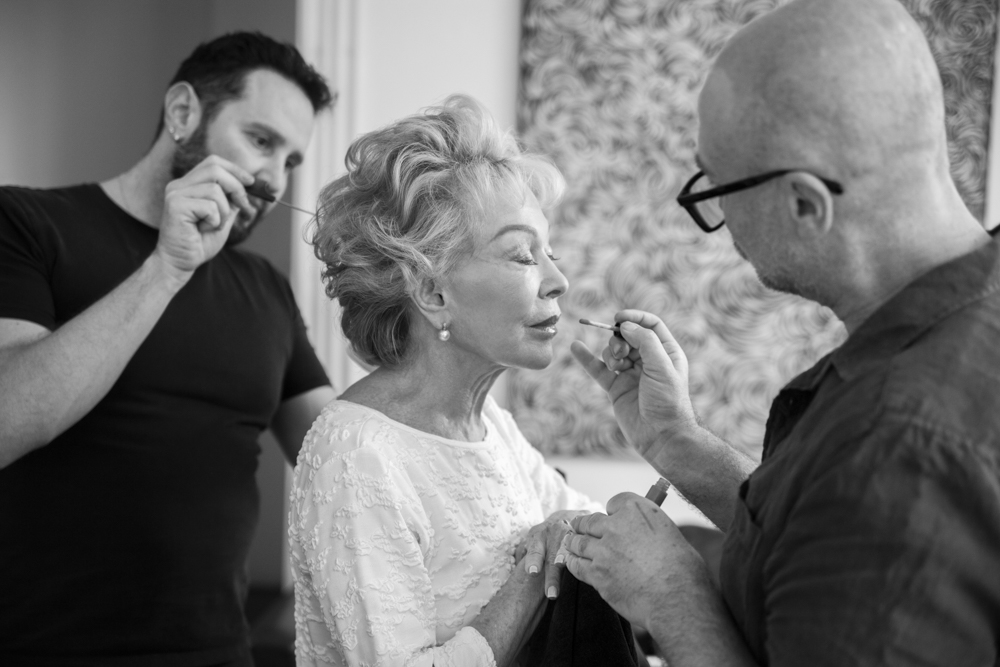
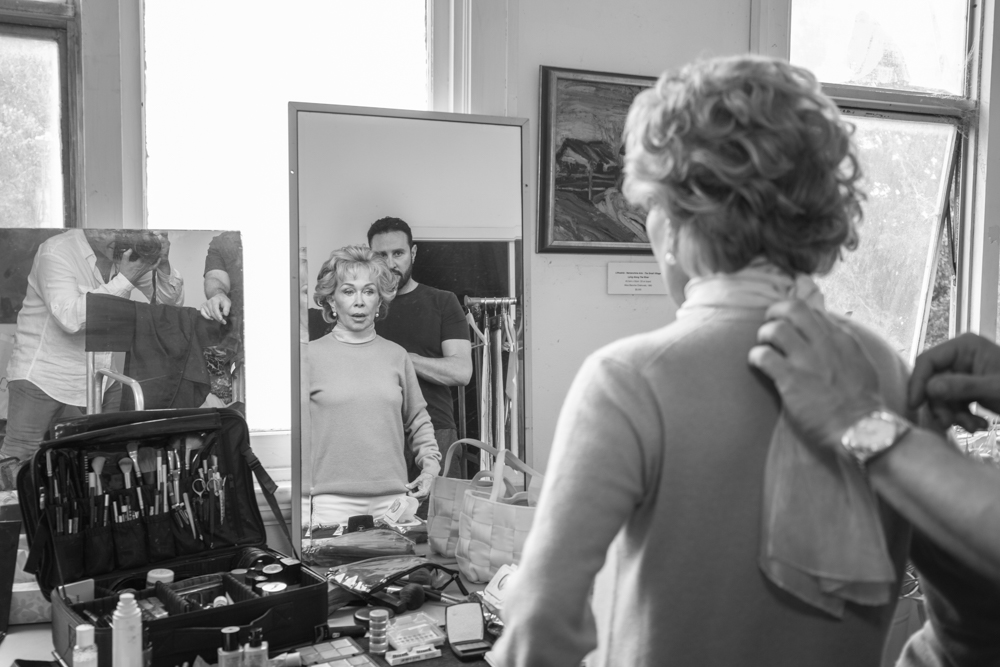
Blanche arrived having had her hair already styled by Ivan Chircop, owner of “La Libertine Hair Salon” in the CBD. The next step was for David Cranson (MUA) to take care of her makeup.
Left to right: Ivan (Hair), Blanche and David (Makeup)
Before long we were ready to set about shooting under the lights. Blanche was a wonderful model … professional and willing to duplicate any suggestion I had in terms of pose and mood. Time passed quickly and soon we had a number of looks and configurations from which to choose.
Blanche’s literary repertoire is extensive. There have been biographies, novels, essays and numerous awards. Her best-selling 1982 book Robert J Hawke: A Biography, researched and written after they were no longer a couple, won the New South Wales Premier’s literary award and it remains the definitive work on the former Australian Prime Minister. Her novels Monkeys in the Dark, Turtle Beach, Winter in Jerusalem and White Eye have won the Pen Golden Jubilee award, the Age novel of the year award and the South Australian Premier’s award. She has also written historical novels about Henry II and Eleanor of Aquitaine.
The Bunny Club is something a bit different: a racy detective novel set in the harbourside glass castles of Sydney’s eastern suburbs and at the equestrian estates of the southern highlands. It opens when an ageing morning television host who is fighting to keep her job, Evelyn Sinclair, is found dead at an astoundingly grisly crime scene: hanging upside down from the ceiling, tied-up using shibari, the Japanese art of rope bondage.
I have almost finished reading my copy of Blanche’s book. The novel was launched at the Manly Writers Festival on the last weekend in March. It is available in most bookstores or can be ordered on-line at this link:
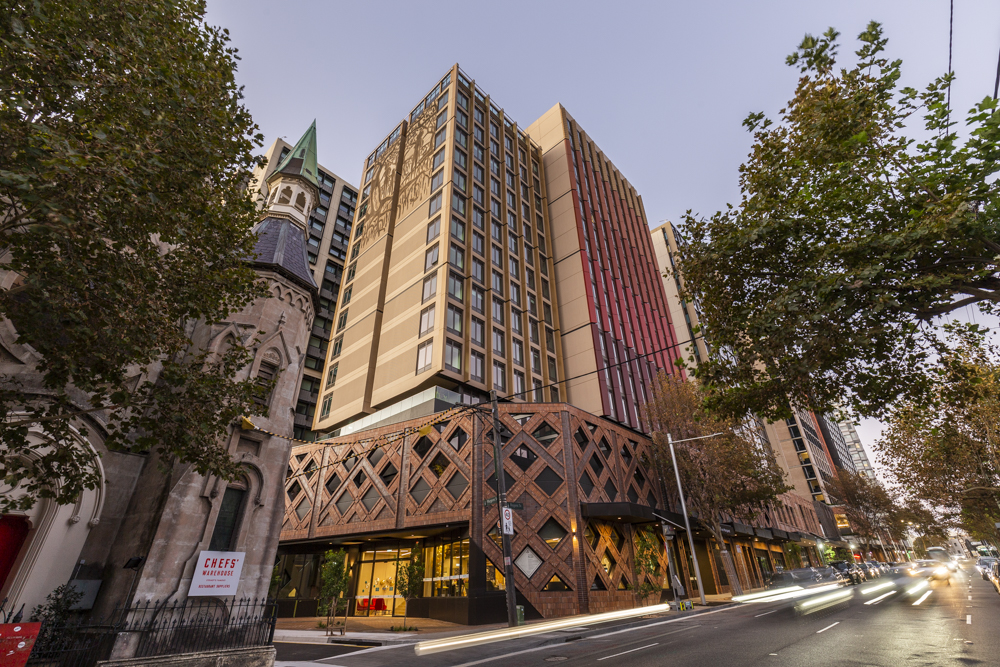
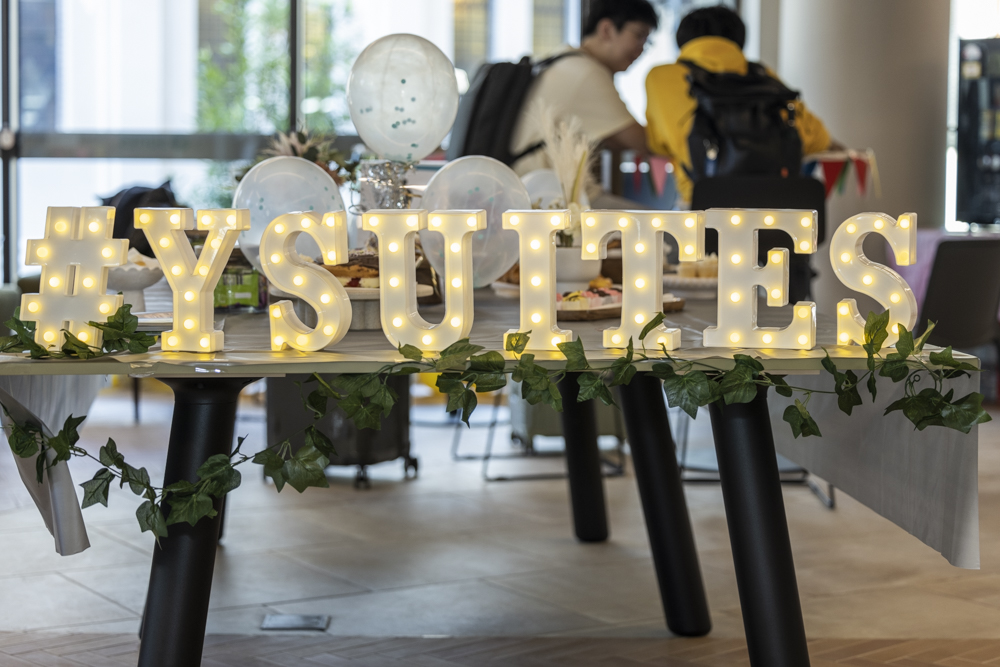
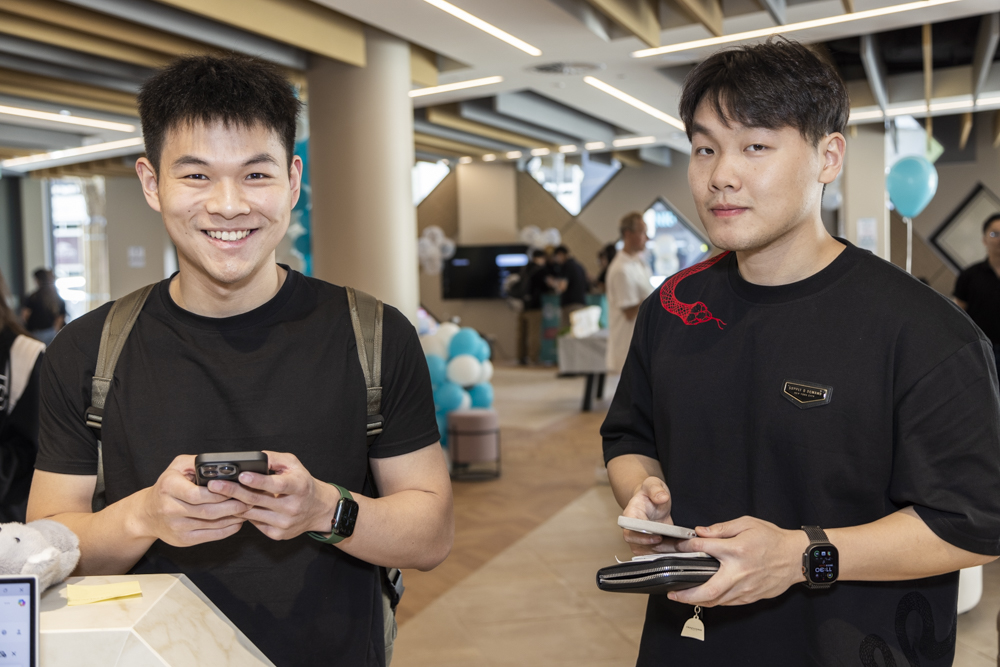
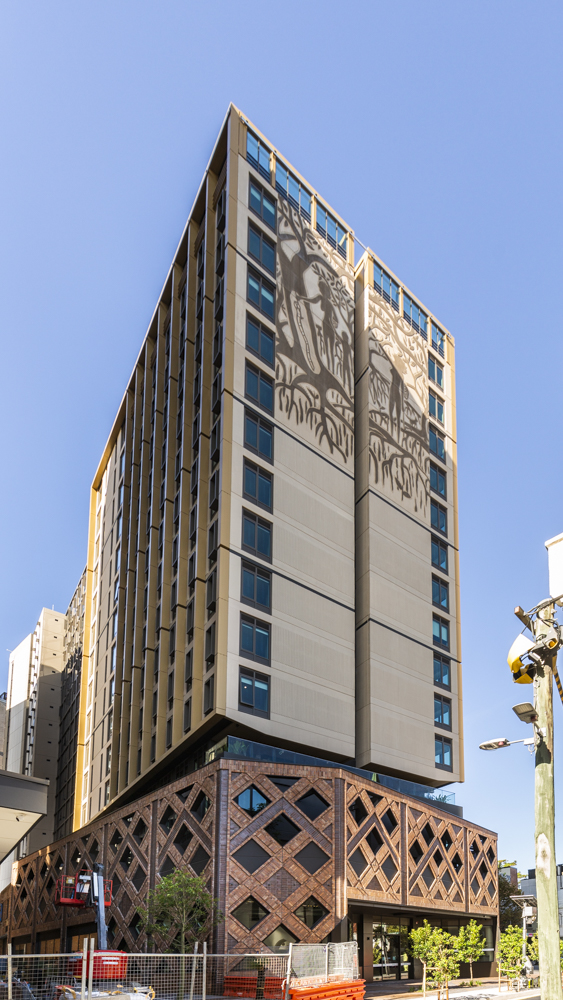
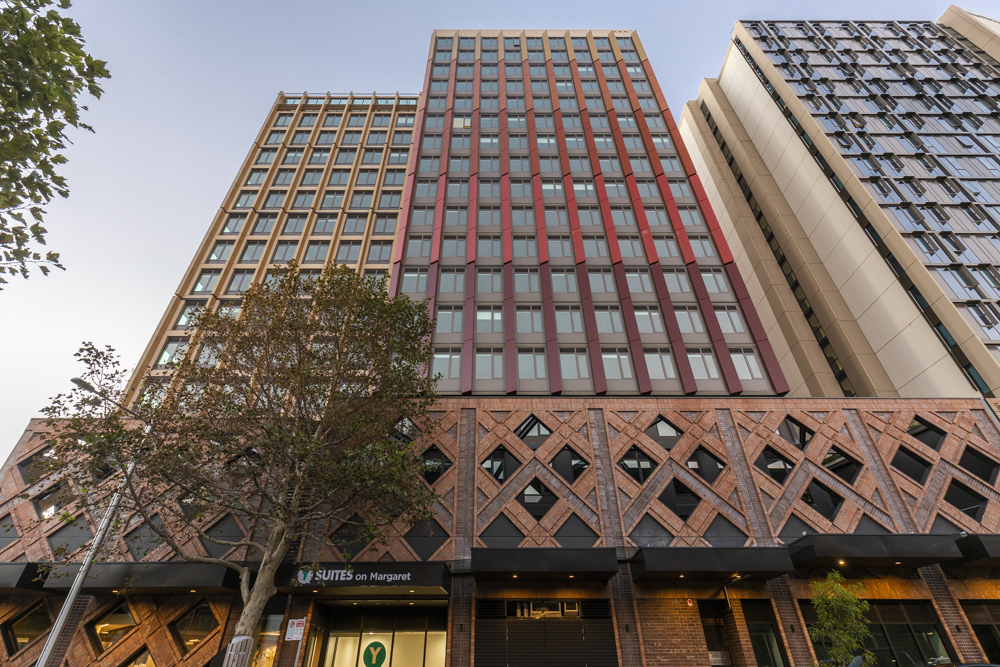
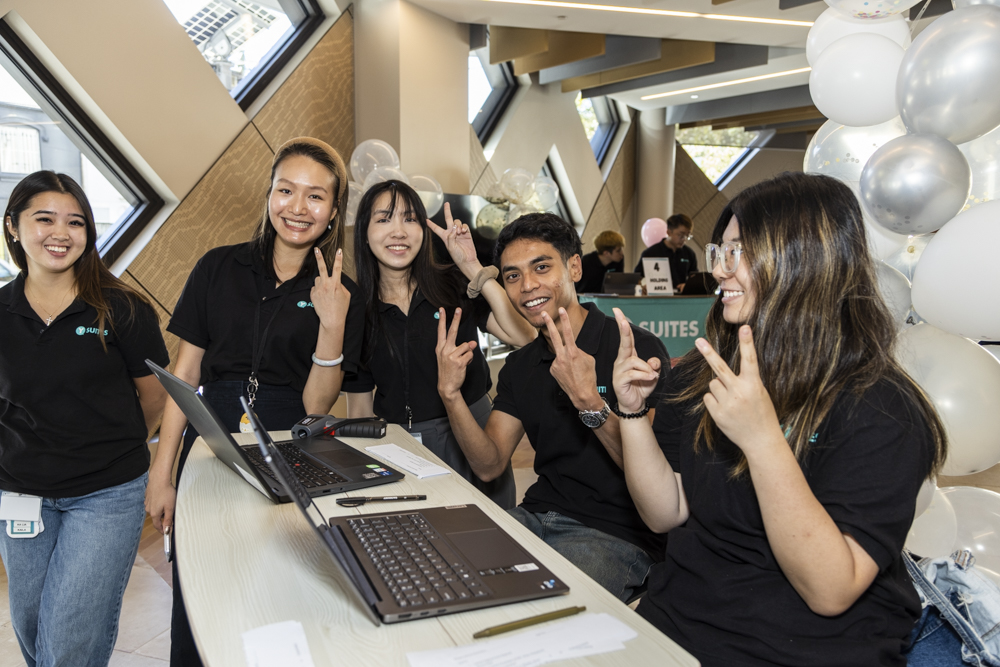
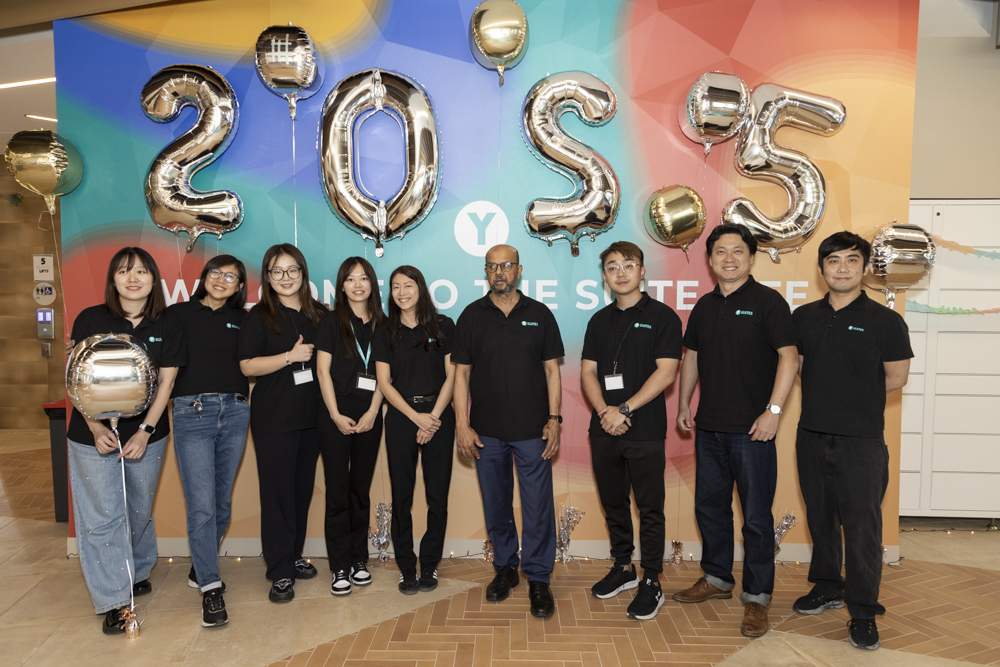
With the increase in the need for housing for both local and overseas students, Sydney is seeing the proliferation of dedicated developments for our academic youth. One such initiative is Y-Suites. This company has recently opened its third tower in Redfern, called Y-Suites on Margaret. Previously, they have opened Y-Suites on Gibbons and Y-Suites on Regent, in close proximity. They have also developed similar accommodation facilities in Adelaide, Canberra and Melbourne.
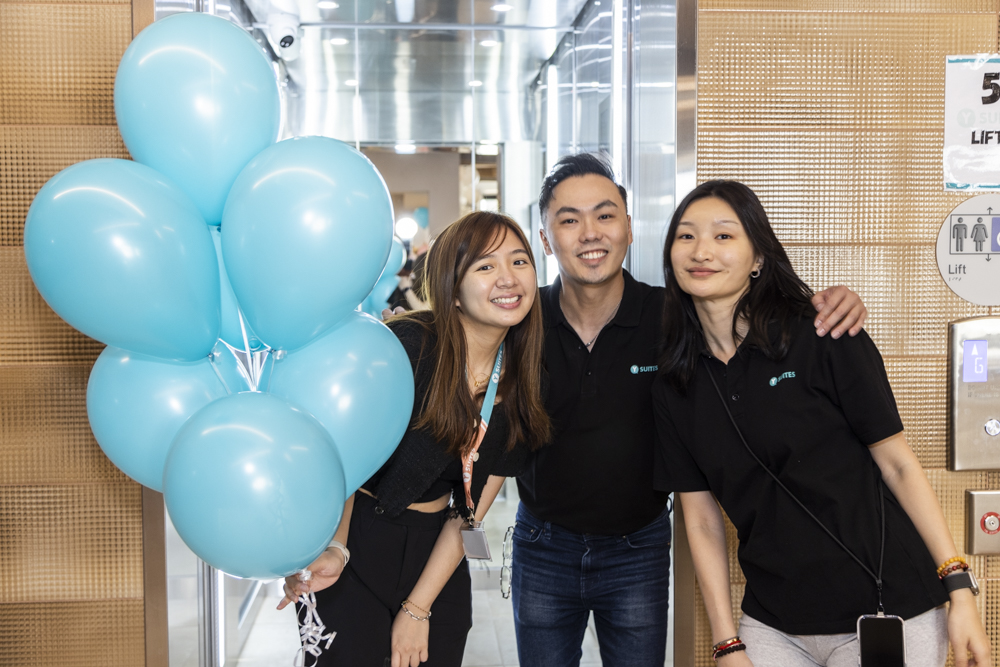
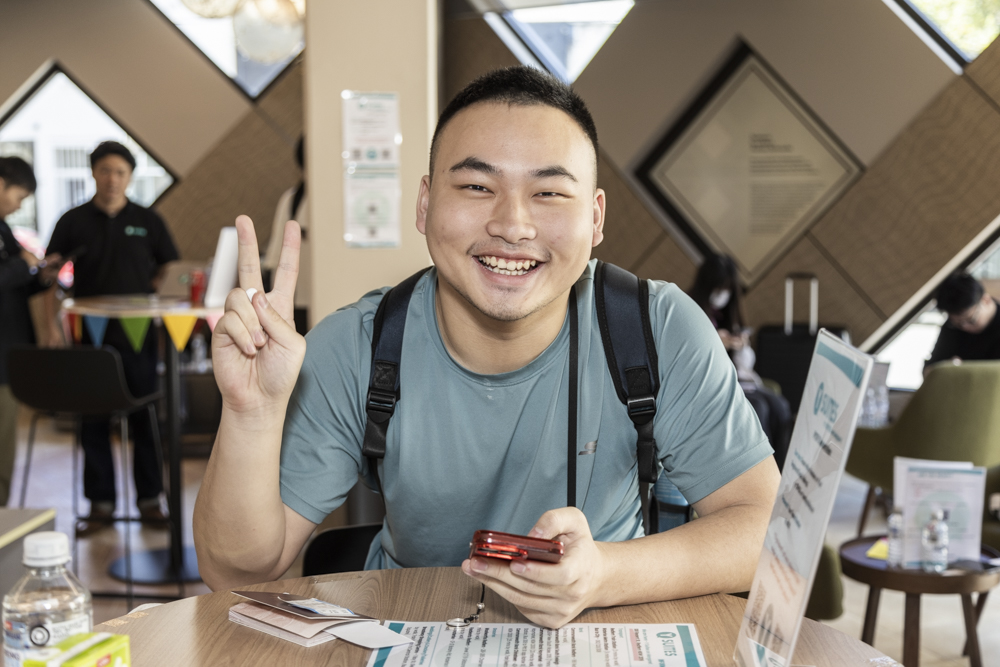
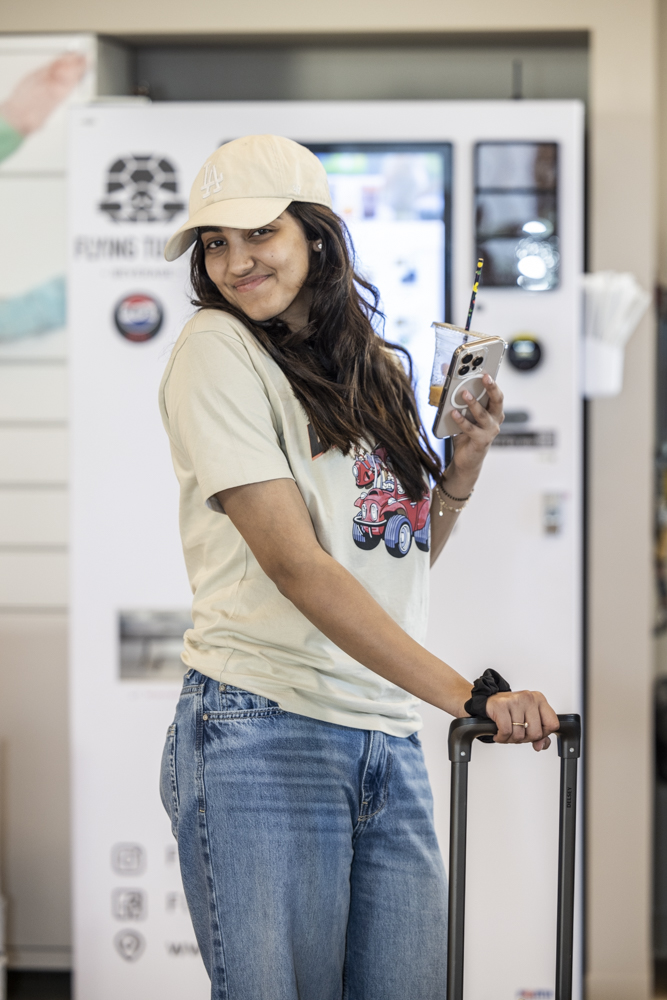
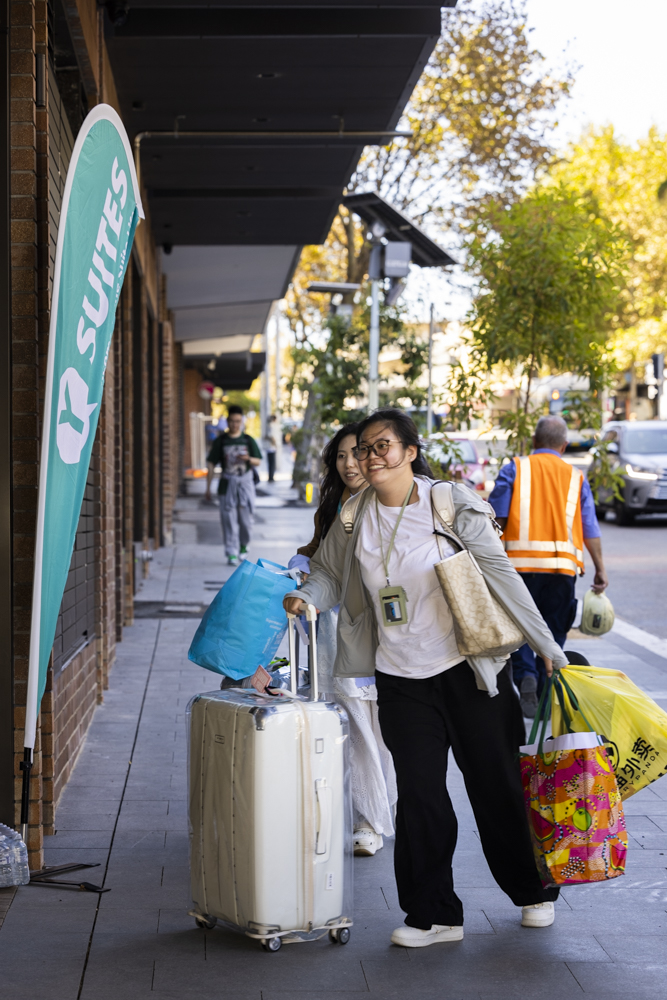
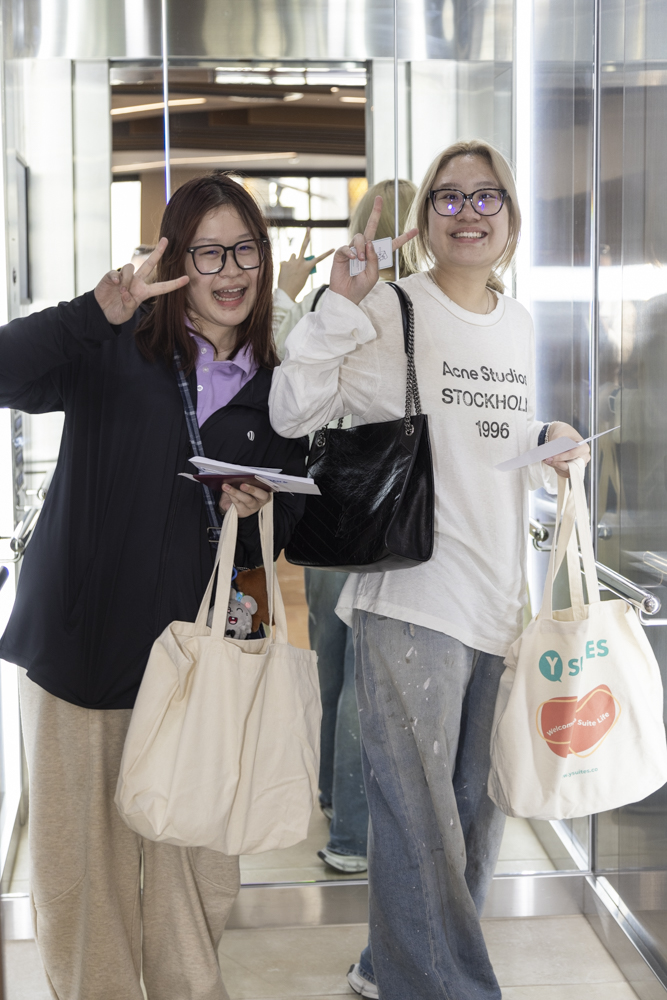
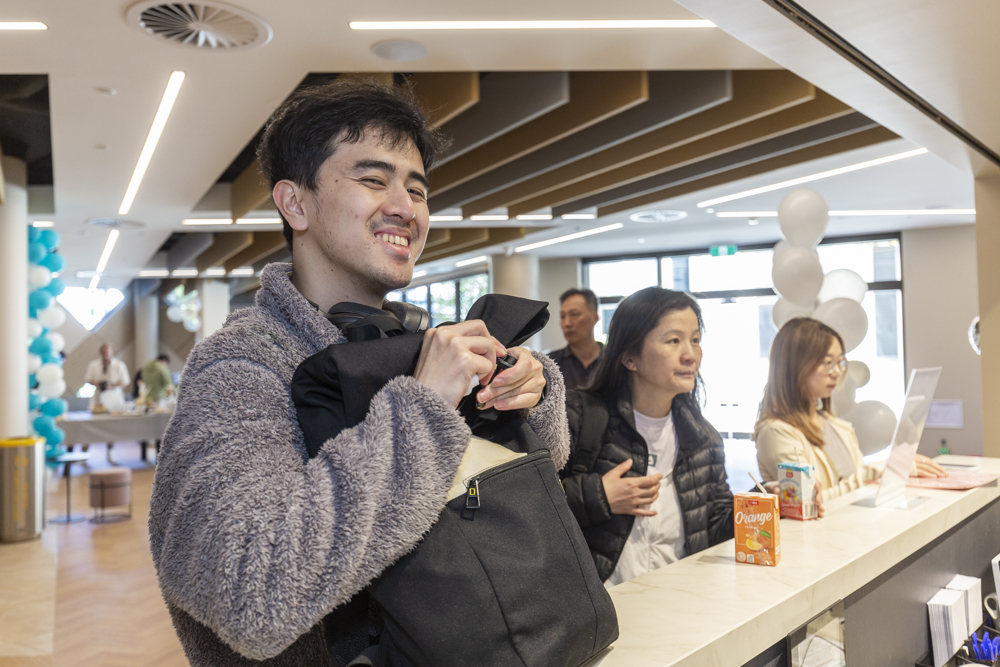
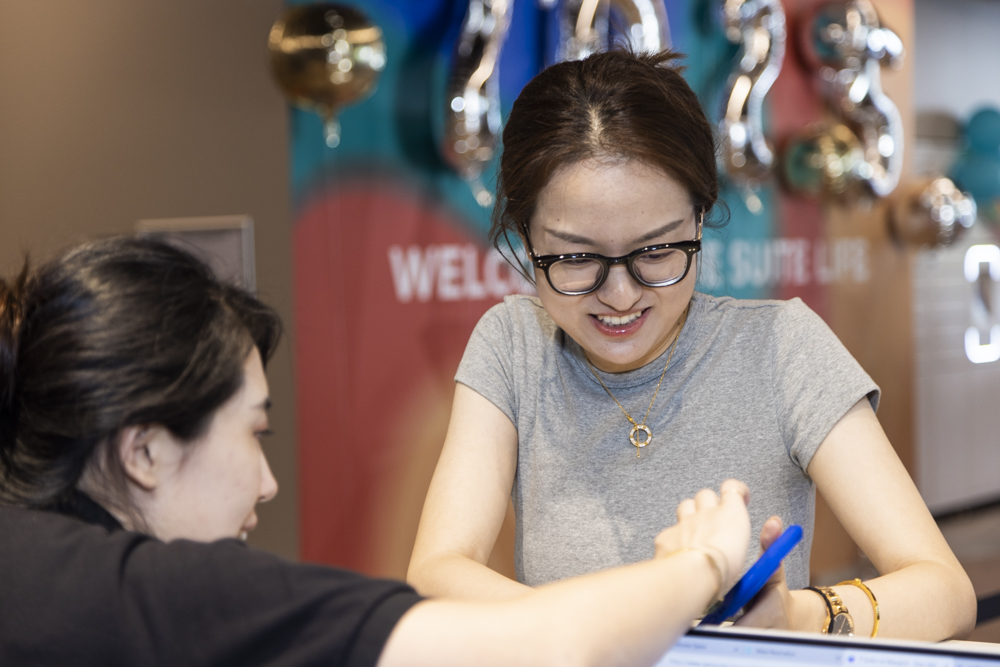
I was commissioned by the company, based in Singapore, to cover the opening activities at this latest downtown complex. Over the period of a day, I captured images of students arriving for the first time to check in to what will be their new homes for the duration of the scholastic year
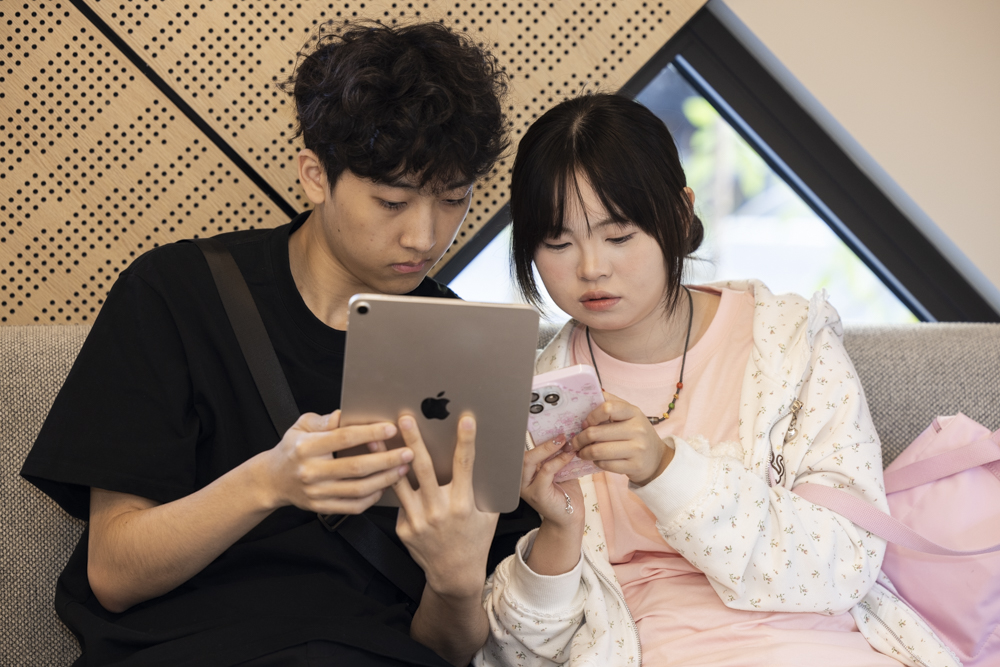
While many of the students had recently arrived from overseas, there was also a collection of local students who had decided, for reasons of convenience, to move into accommodation close to the institution in which they had enrolled.
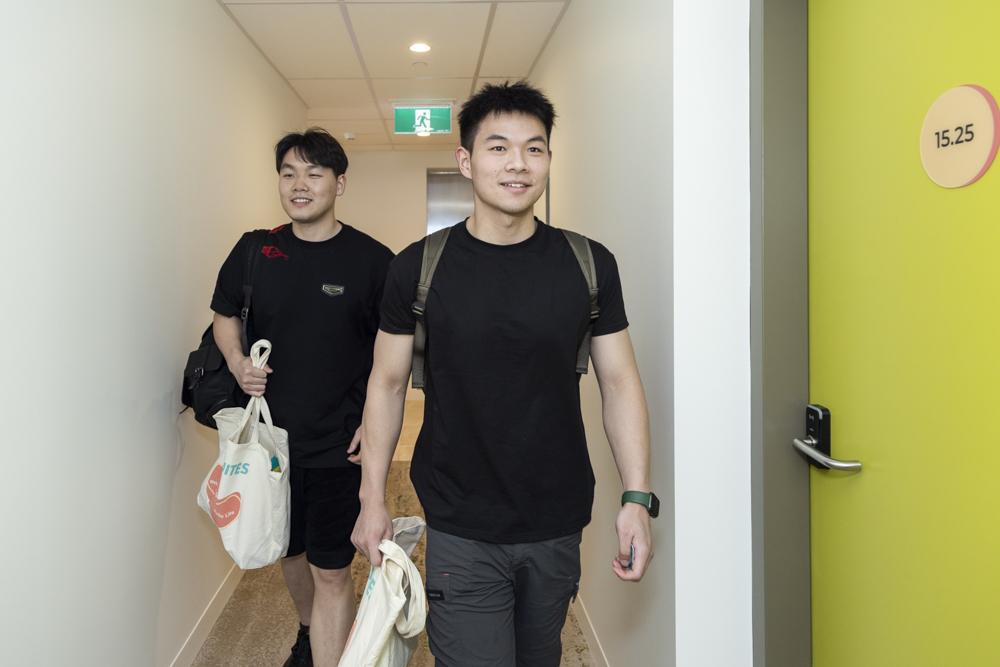
There was an air of excitement and expectation as these young people navigated their way with their suitcases from reception, where they checked in then collected their keys, to the first sight of their new homes after they opened the door to their apartment.
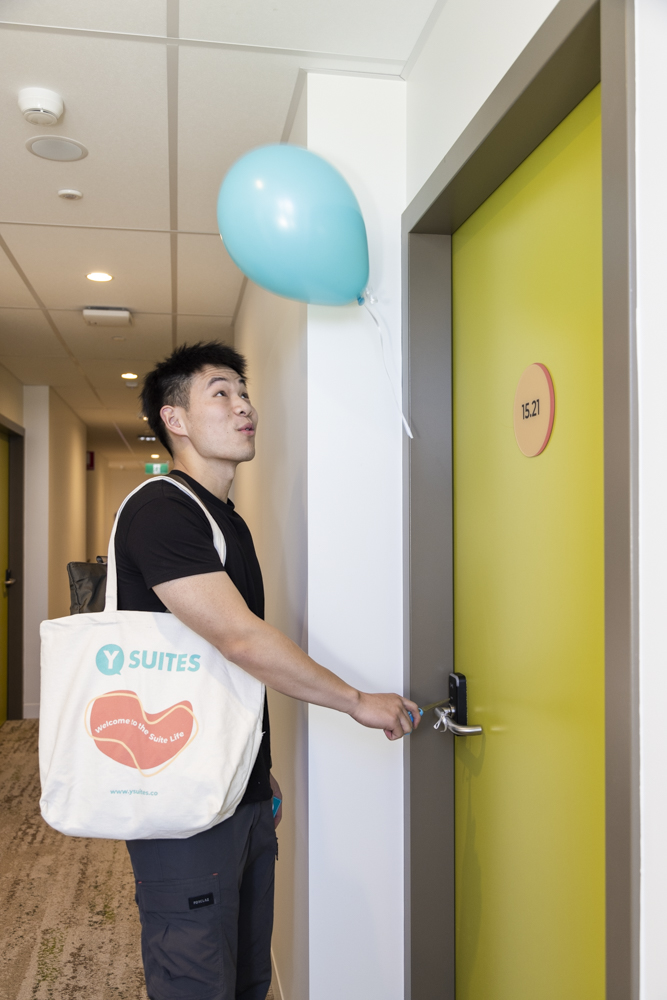
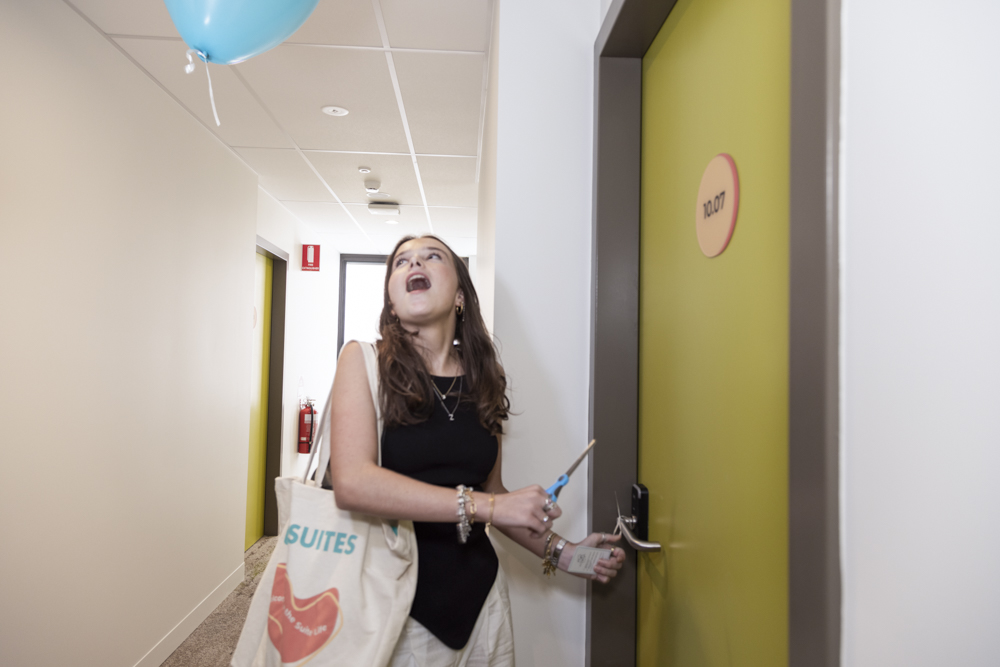
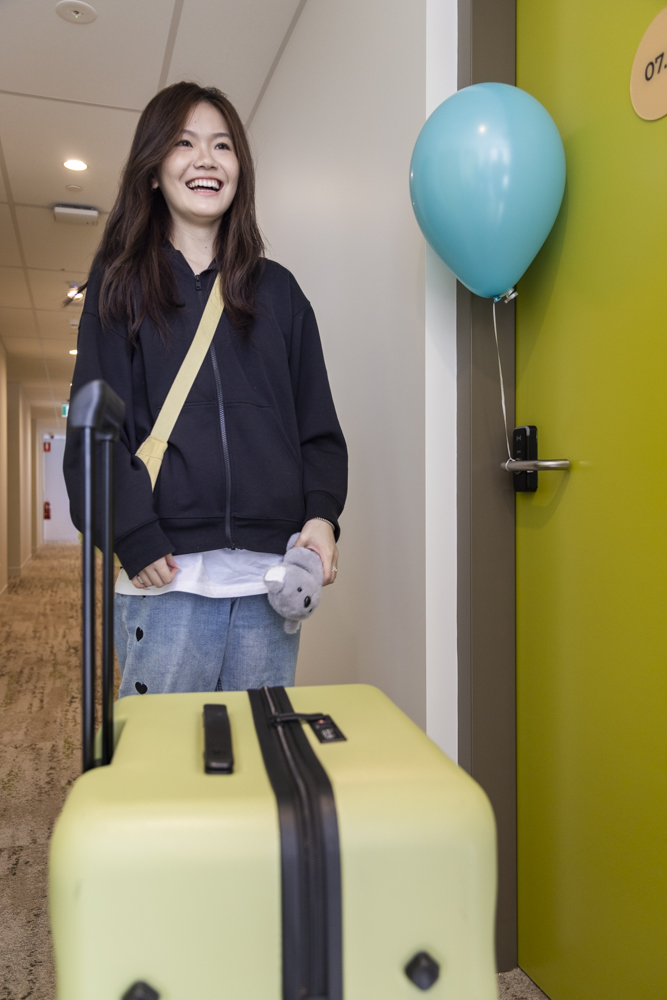
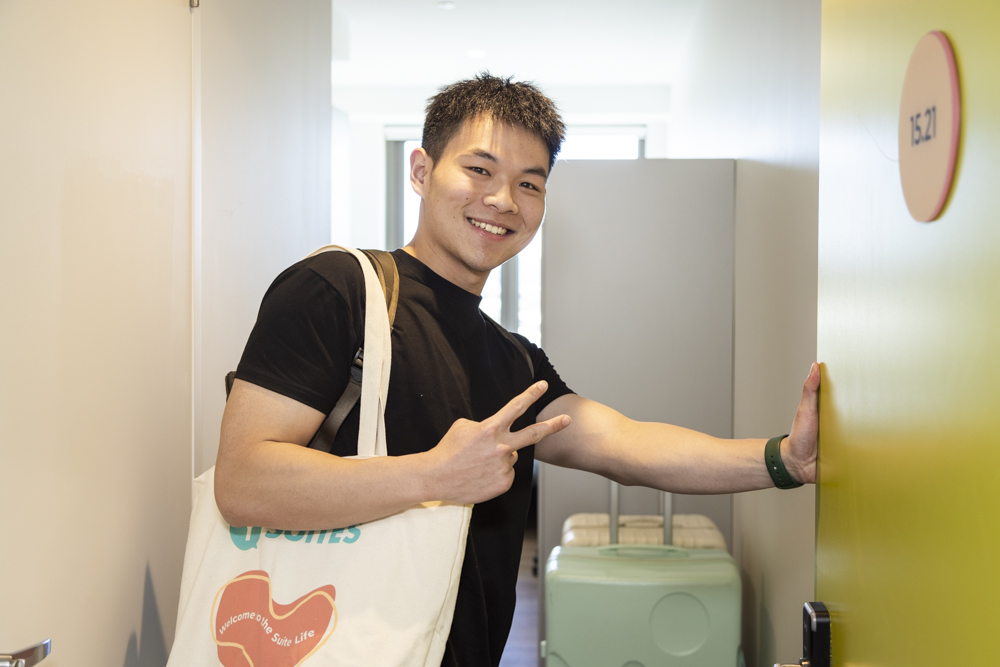
I photographed an enthusiastic young man from China who arrived with his colleague. His smile radiated the joy he felt as he entered the foyer and anticipated entering his apartment. I photographed him opening the door to his room for the first time. Some of the rooms had balloons tied to the door-handle so that the students could “cut” the string of the balloon in a ceremonious gesture when “coming home” for the first time.
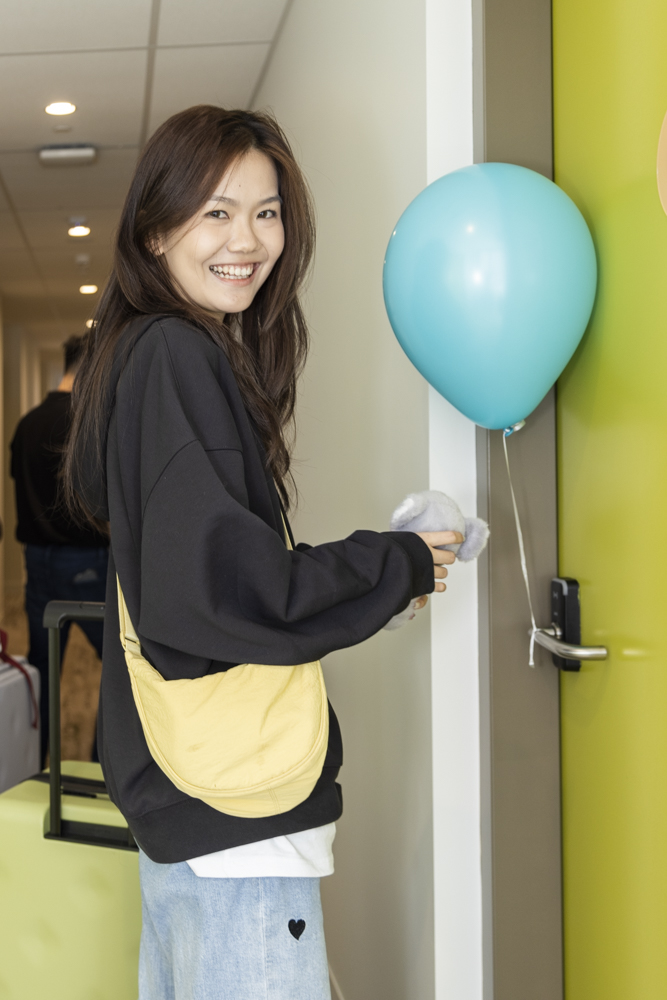
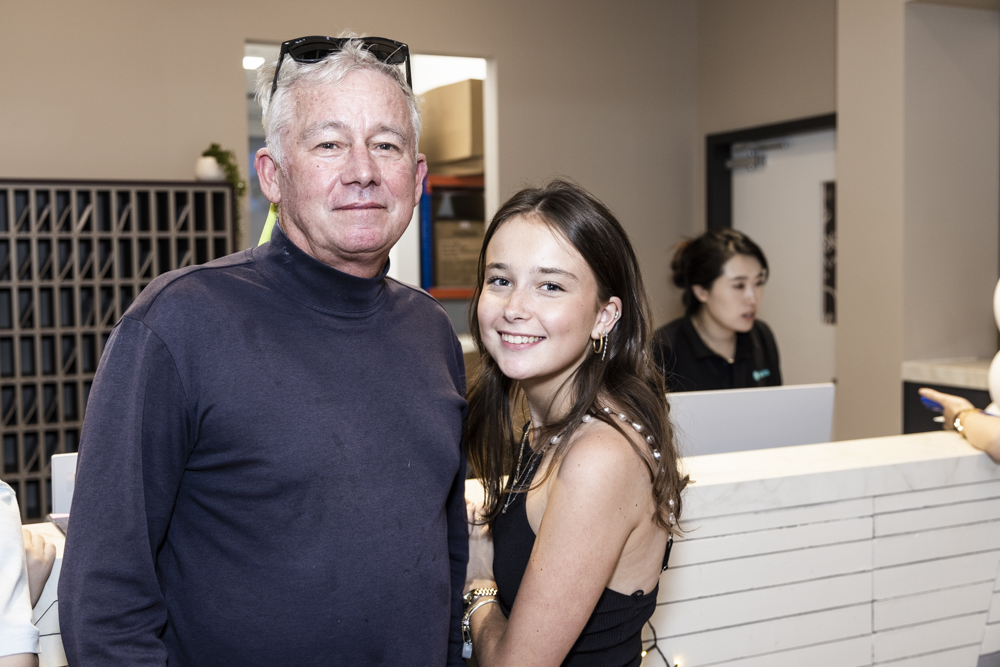
I also photographed a young girl from out of town who spoke fluent French. Her father and mother had driven from rural NSW to accompany their daughter to help her settle into her new home. Her mother was in fact French and although they now lived in Australia, French was often spoken at home. I understood this once I realised that the girl’s Australian father had lived for many years in France and also spoke fluent French. They were all having such fun creating a new sense of community.
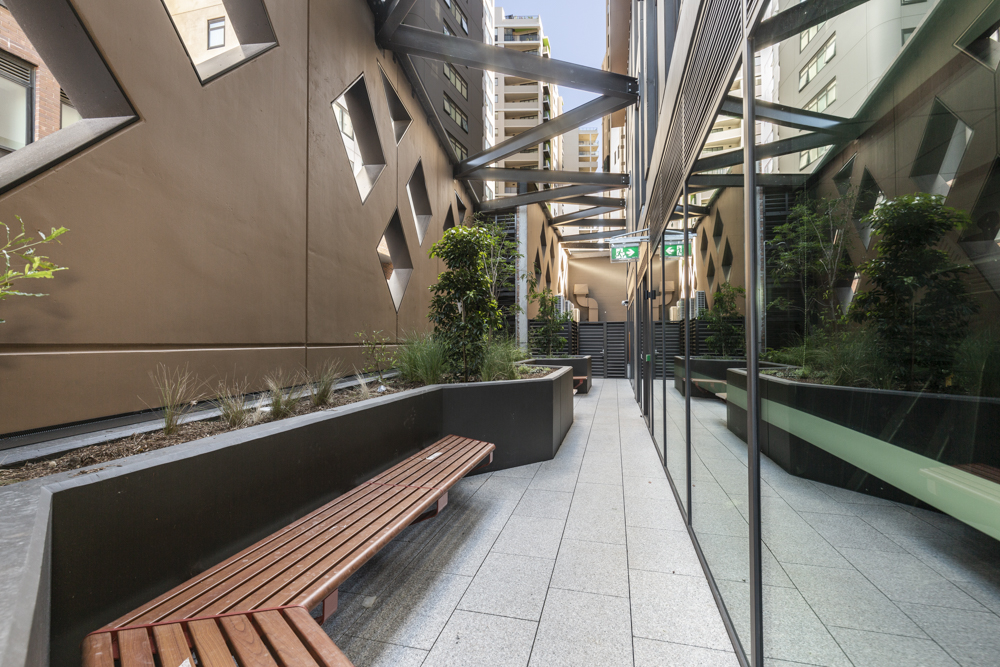
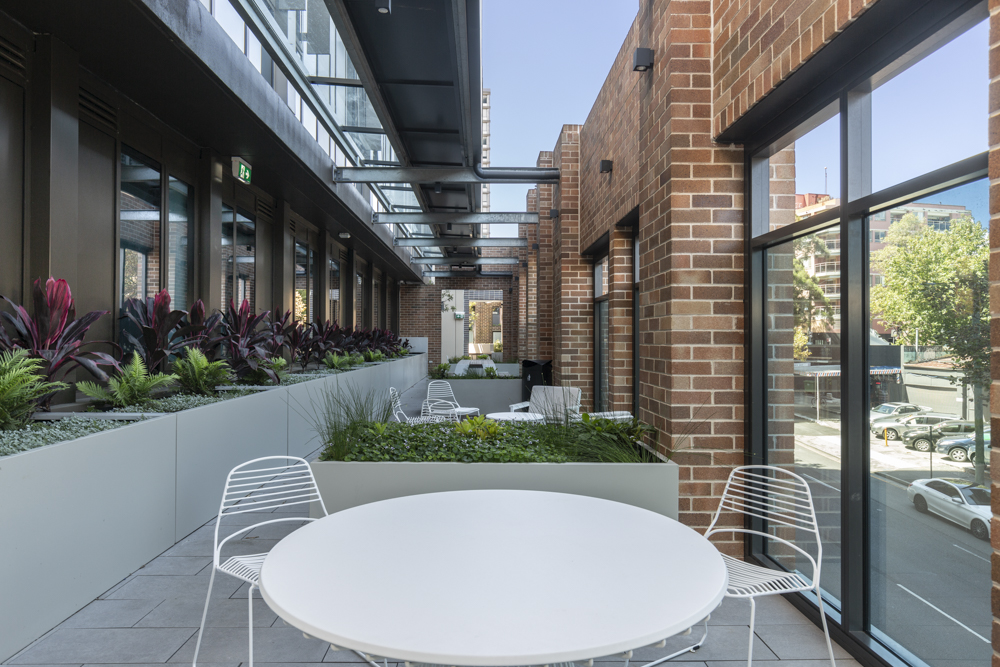
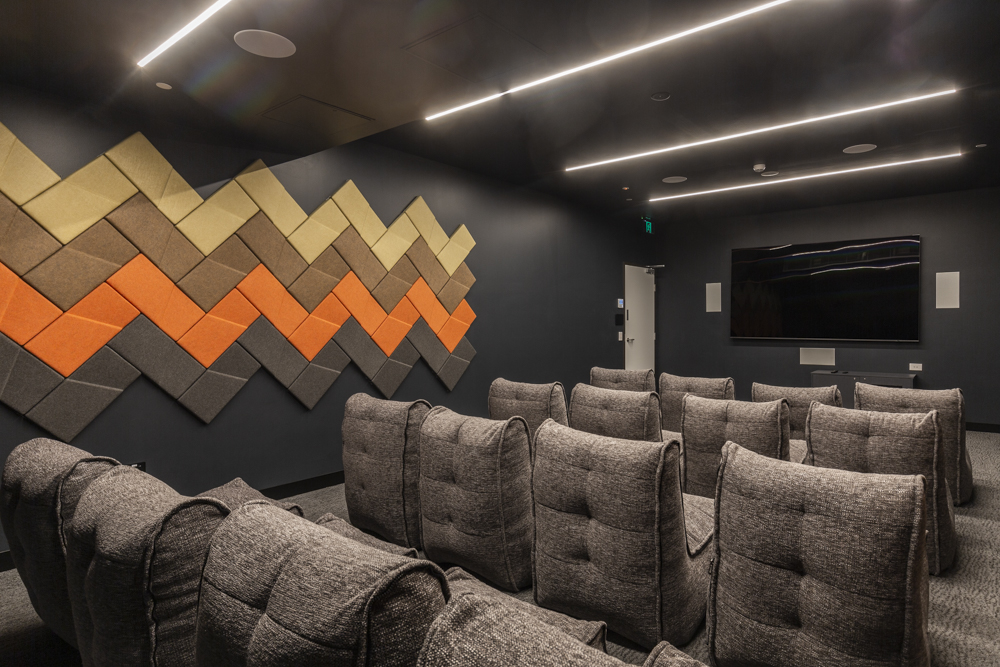
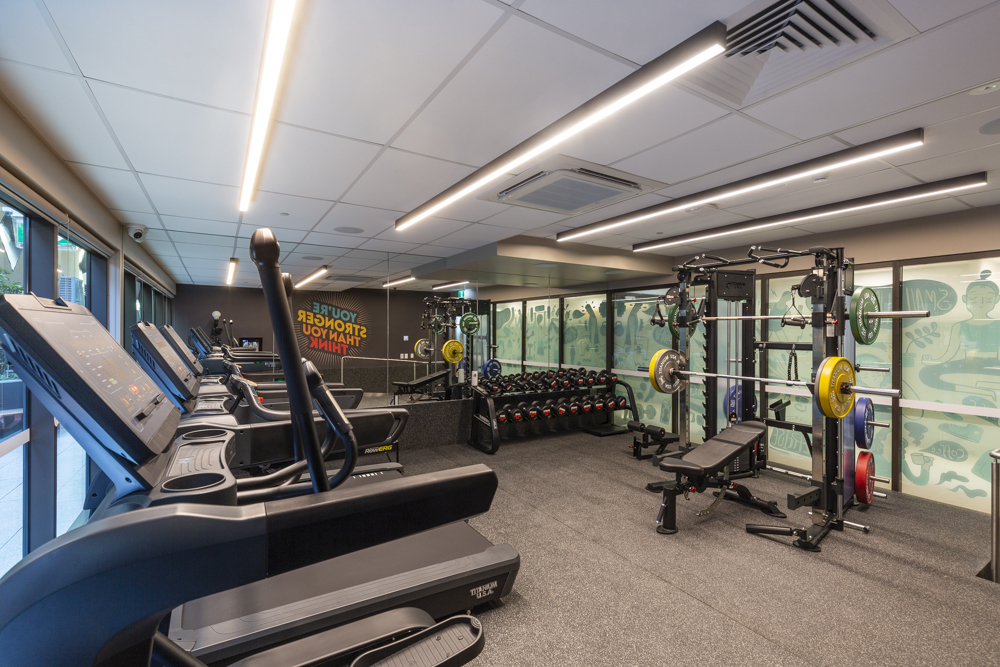
My day was filled with photographing these joyful comings and goings. I also managed to capture some of the communal spaces in the building for documentation purposes, as well as shooting the exterior of the building from various angles.
I wish all the students a wonderful time in their new home while they pursue their studies. I fondly remember my own time as a student in the halls of residence at Monash University in Melbourne. It was such fun and I made wonderful friendships and long-lasting bonds. It was also a time of great growth as I ventured out from my safe family environment to be totally independent for the first time.
Video footage was also required for this project. Y-Suites wanted a 60-second reel of the day’s events. I worked with Nick Jones from “Grip Shoot Boom”, an excellent videographer, pictured below.
The following is an overview of the day’s events at Y-Suites on Margaret, as filmed and edited by Nick.
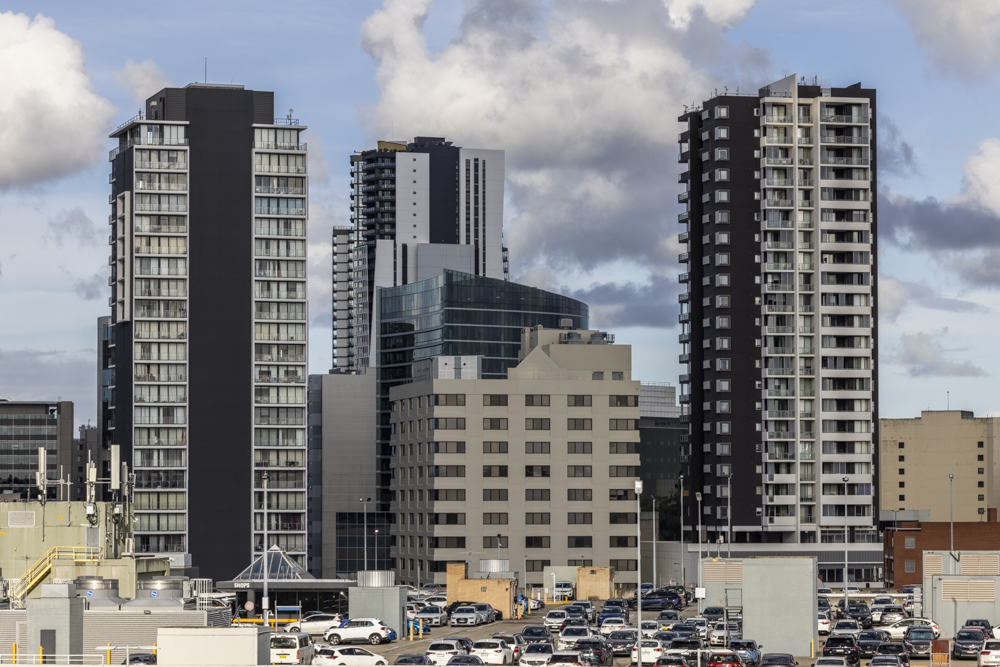
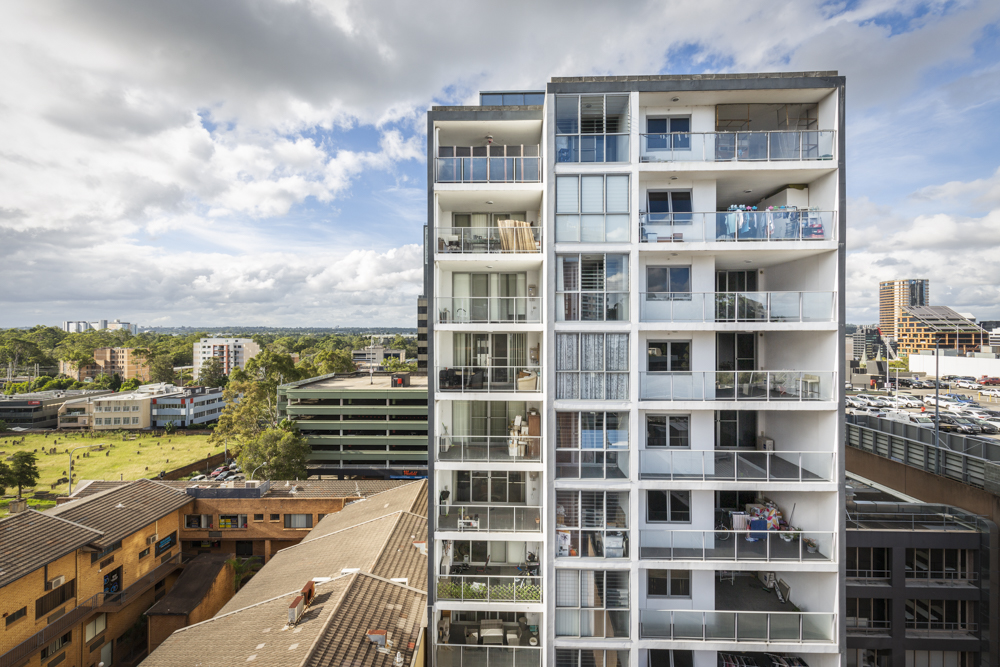
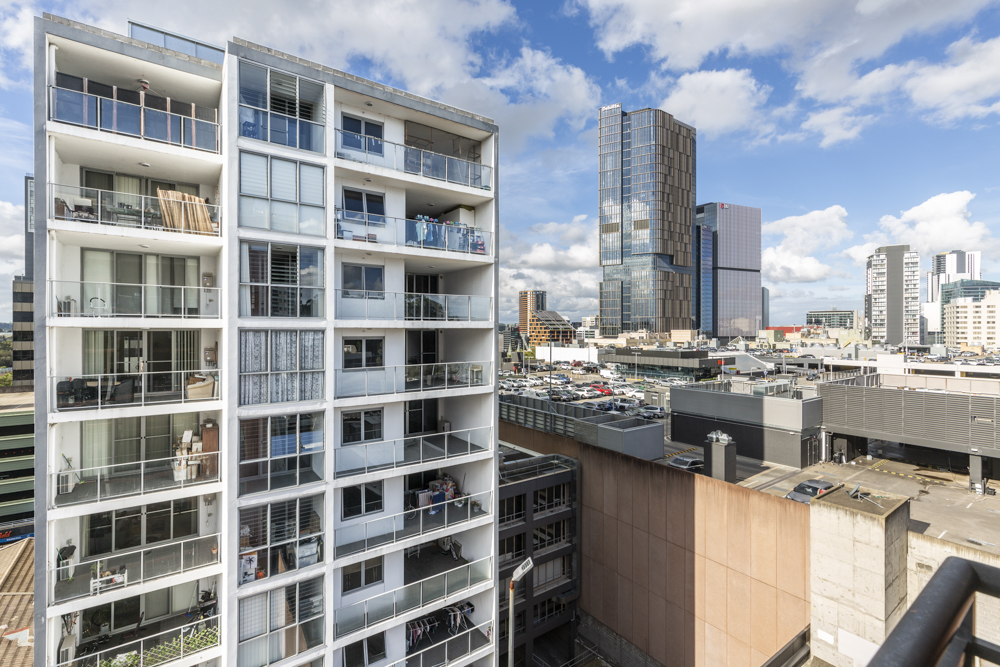
I was on a job the other day and I looked out from the balcony to what I discovered was an impressive and unusual view. It was an elevated impression of the city of Parramatta that I hadn’t previously seen. I am sharing this because I found it visually intriguing … and so I felt like including it in a blog post.
I was taken by the way the city skyline looked somehow “unreal” in the light, almost surreal as if some AI program had created it. I think it was merely a result of the soft afternoon light and the fact that I was using a telephoto lens, which has the tendency to compress imagery.
I also liked the tall residential building constructed directly opposite where I was positioned. I couldn’t help looking directly into the stack of neighbouring, domestic boxes and wonder about the inhabitants. It reminded me of when you used to fly into the old airport in Hong Kong, past all the high-rise apartment buildings, looking at the laundry hanging out to dry, with various other signs of inner city living.
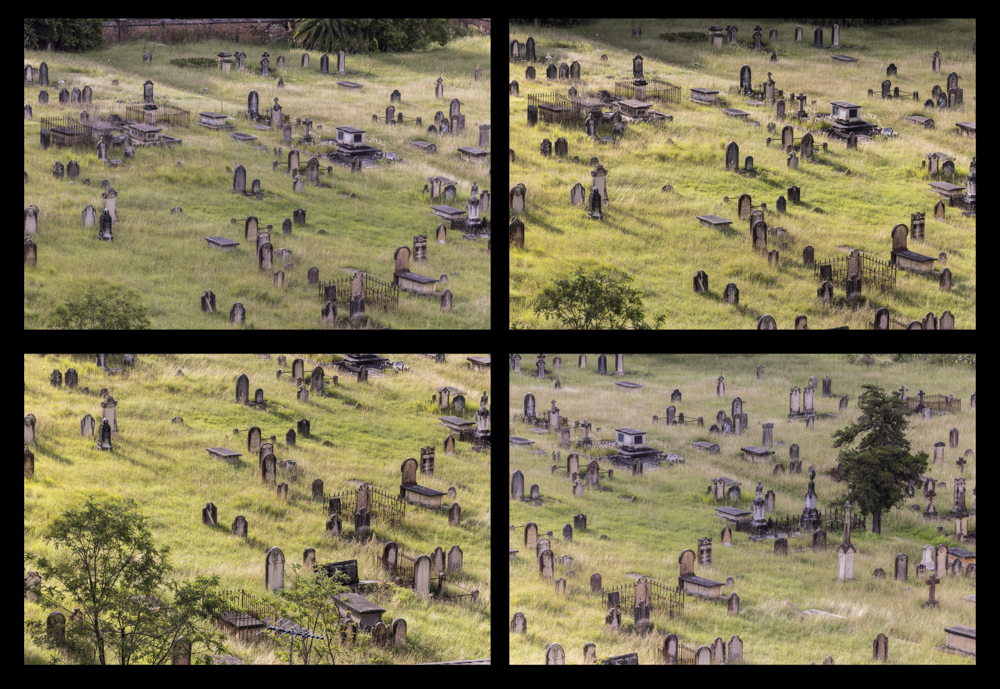
It was also intriguing to look down to see that just below me was one of the old cemeteries of Parramatta, with gravestones covering a large area adjacent to the residential towers. This contrast and juxtaposition fascinated me.
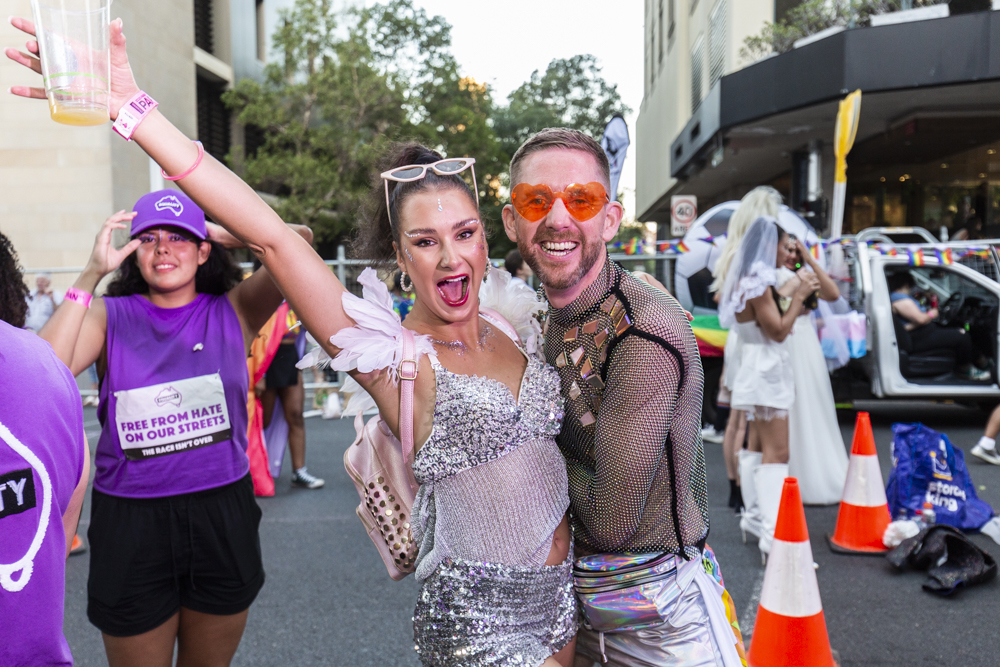
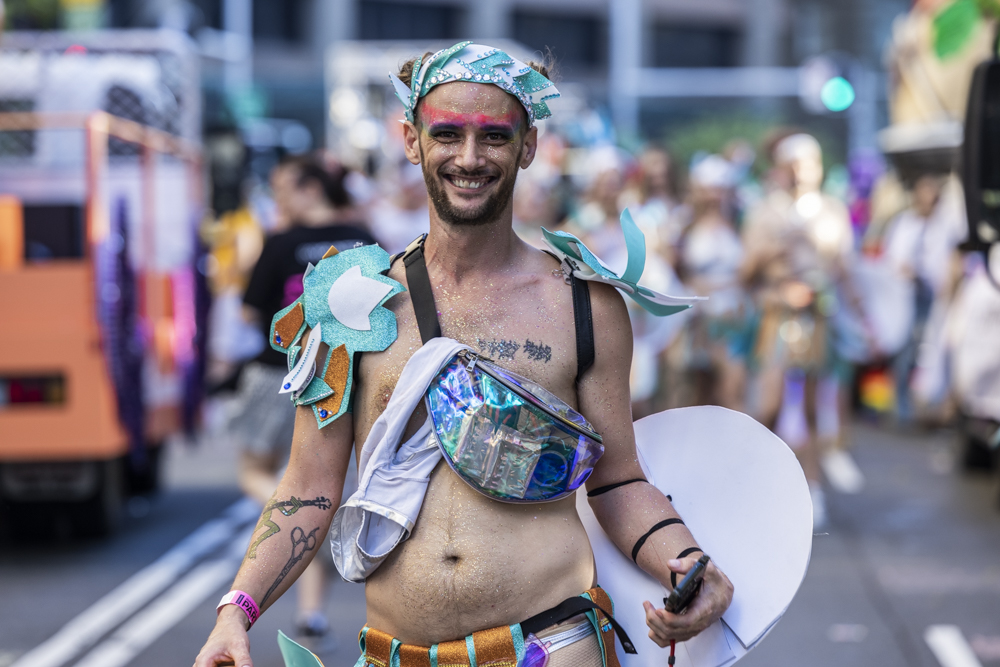
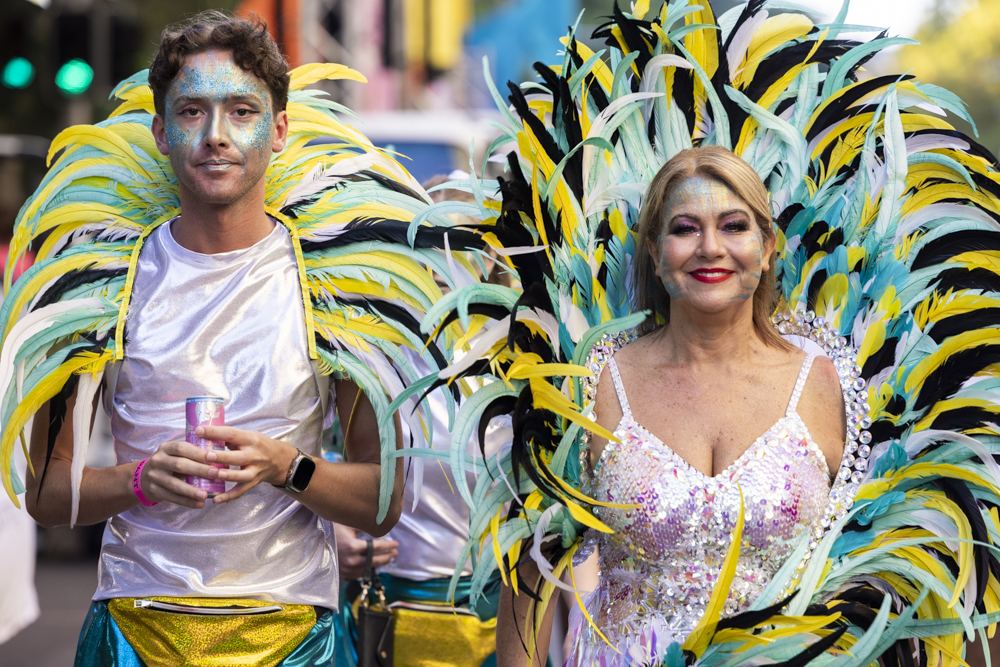
While photographing the parade entry for Positive Life NSW I managed to snap images of some of the other entrants. Here is a smiling selection of the other people marching and cheering, having a good time, sharing the love, dressing up, and adding extra “bling” to their lives for the night.
Mardi Gras is a well known celebration of “all shapes and sizes”, inclusion, diversity in all its flavours and simply a wonderful feeling of good will to your community. It was easy to feel that generous mood amongst the participants. It gave me a feeling of hope for the future.
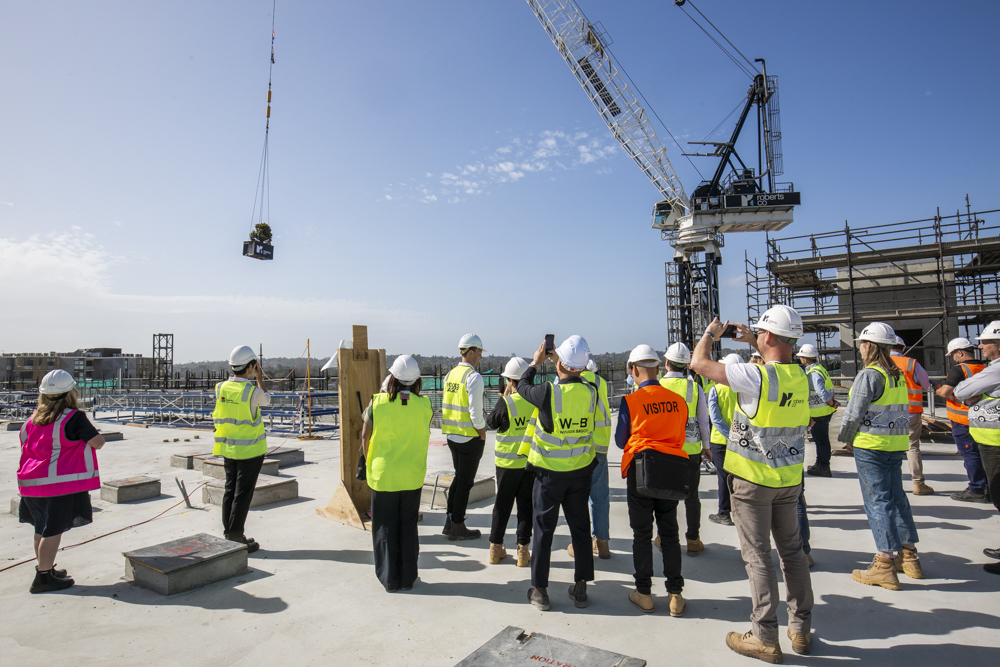
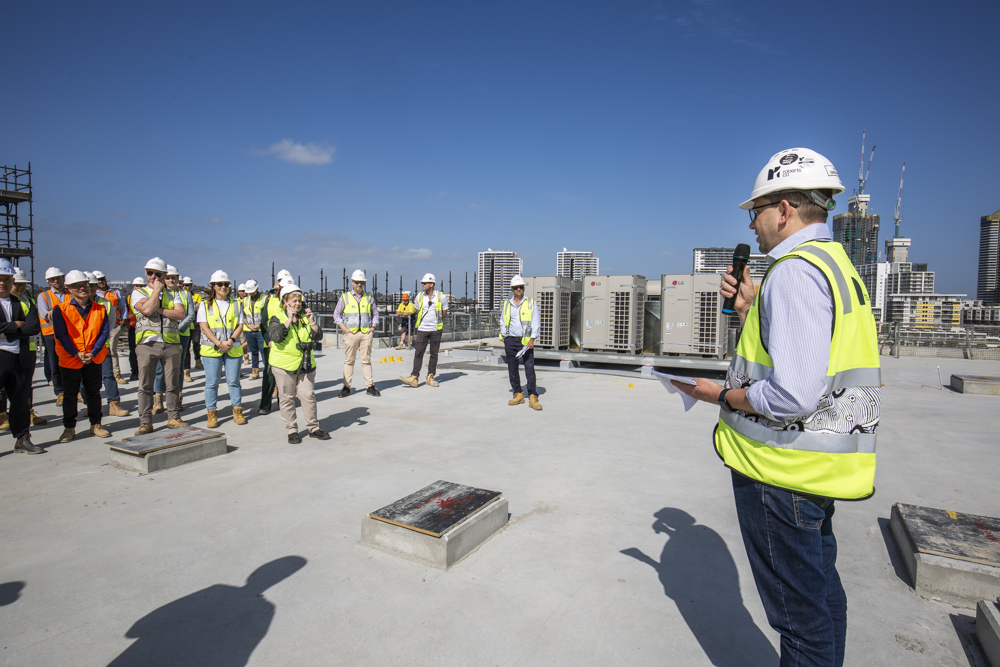
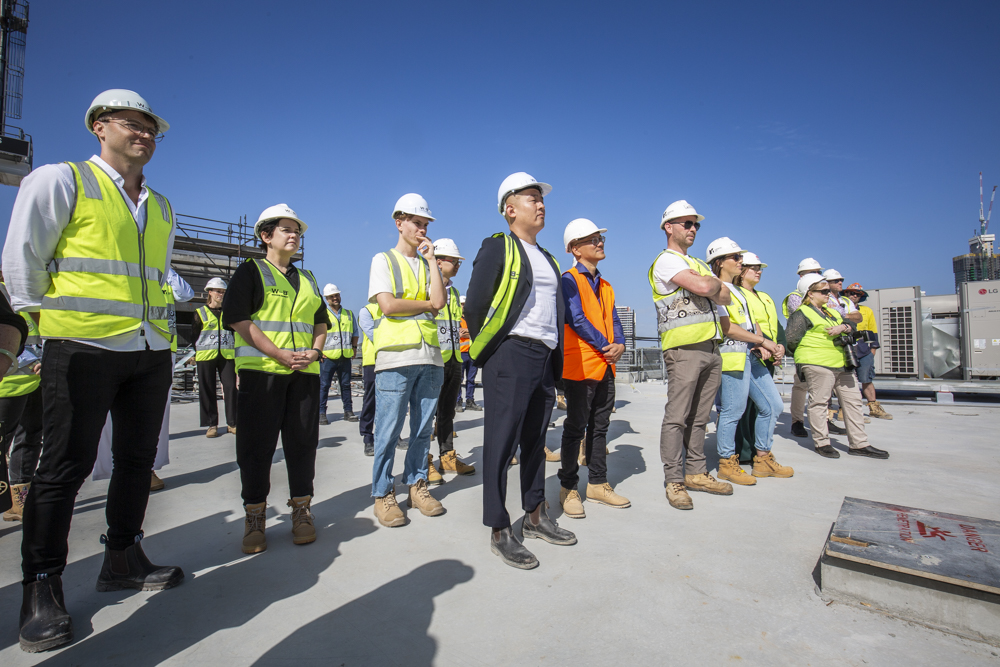
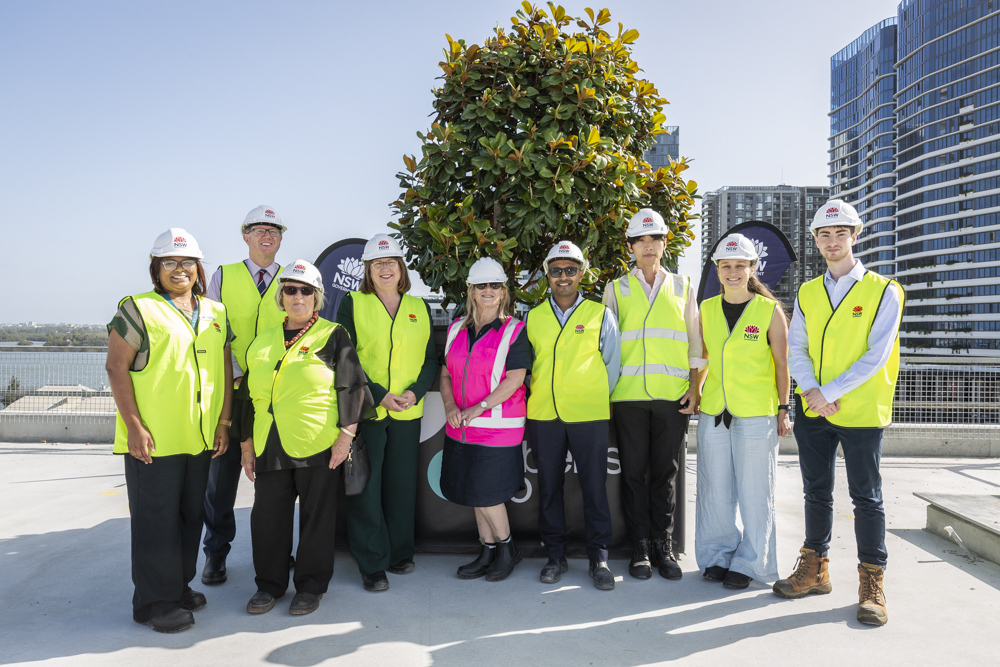
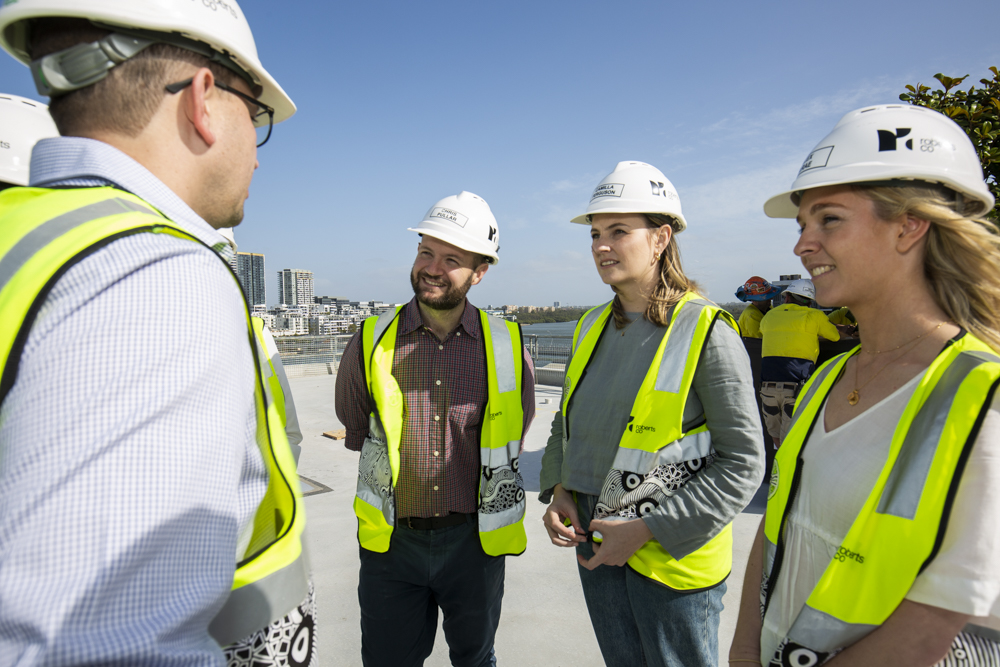
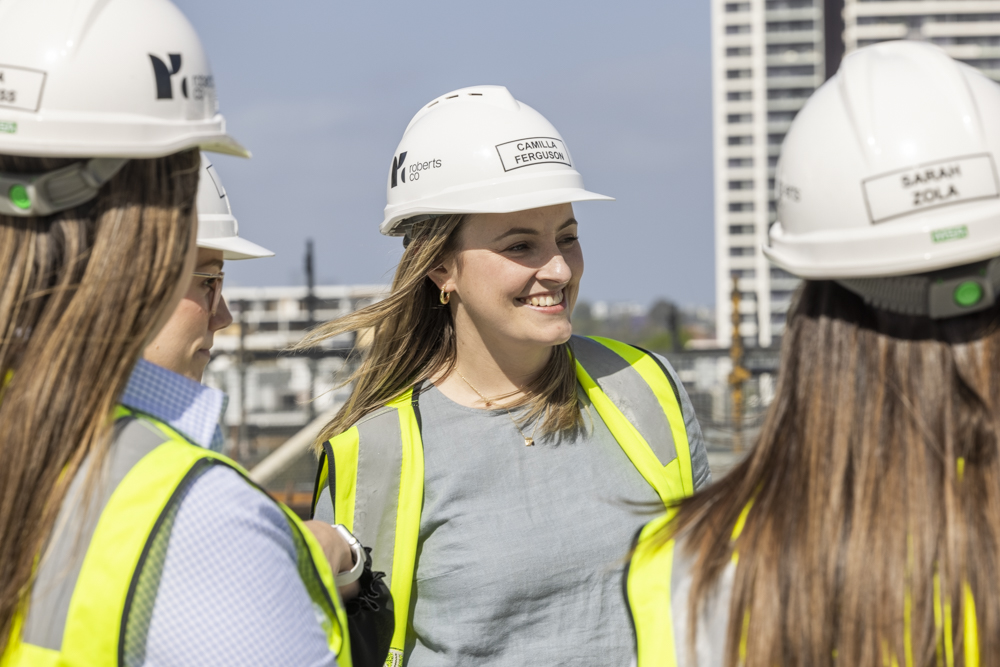
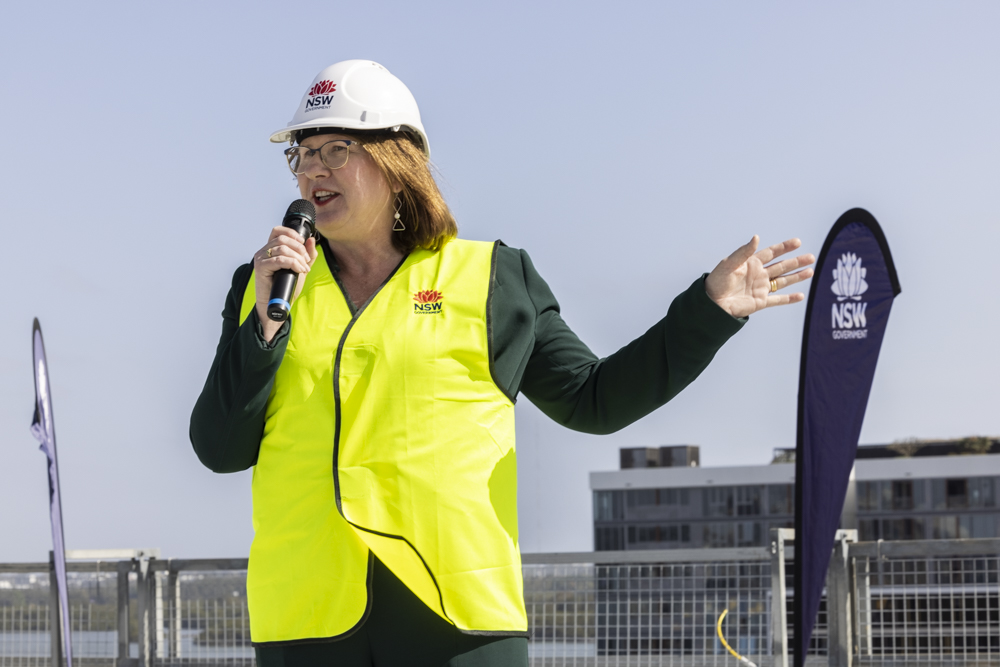
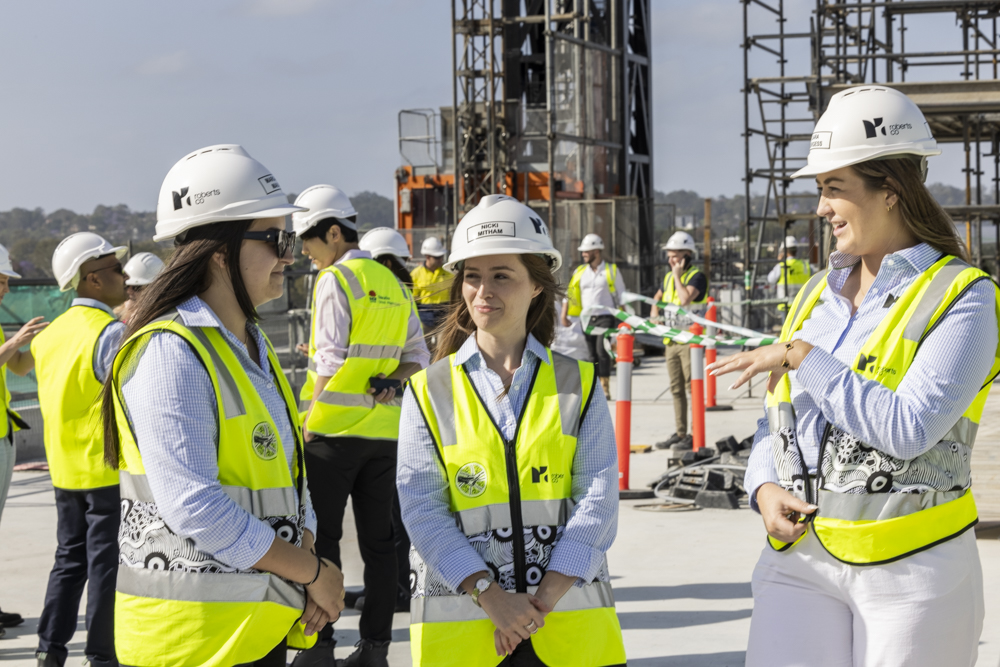
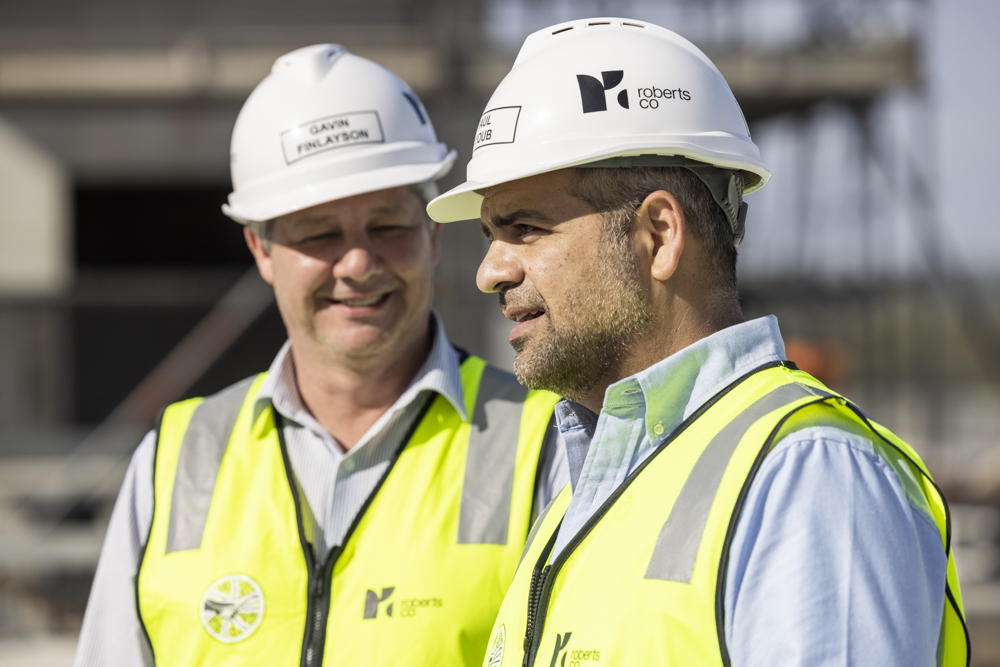
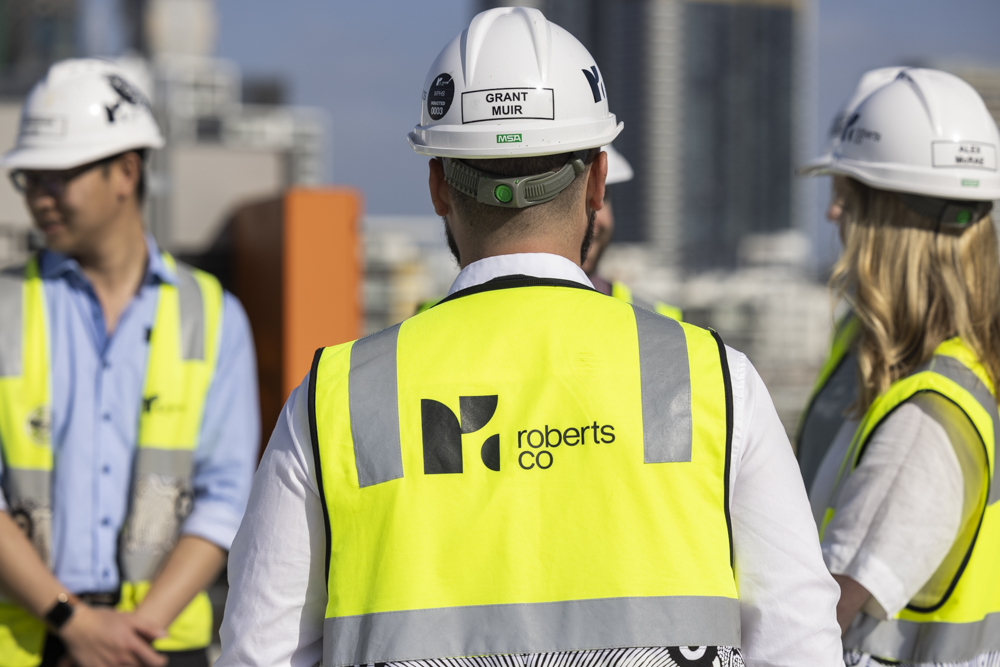
I am frequently asked to photograph “topping out” events for various stakeholders in the construction industry. On this occasion, I was invited to document the “topping out” of an educational facility at Wentworth Point in western Sydney, during mid-construction.
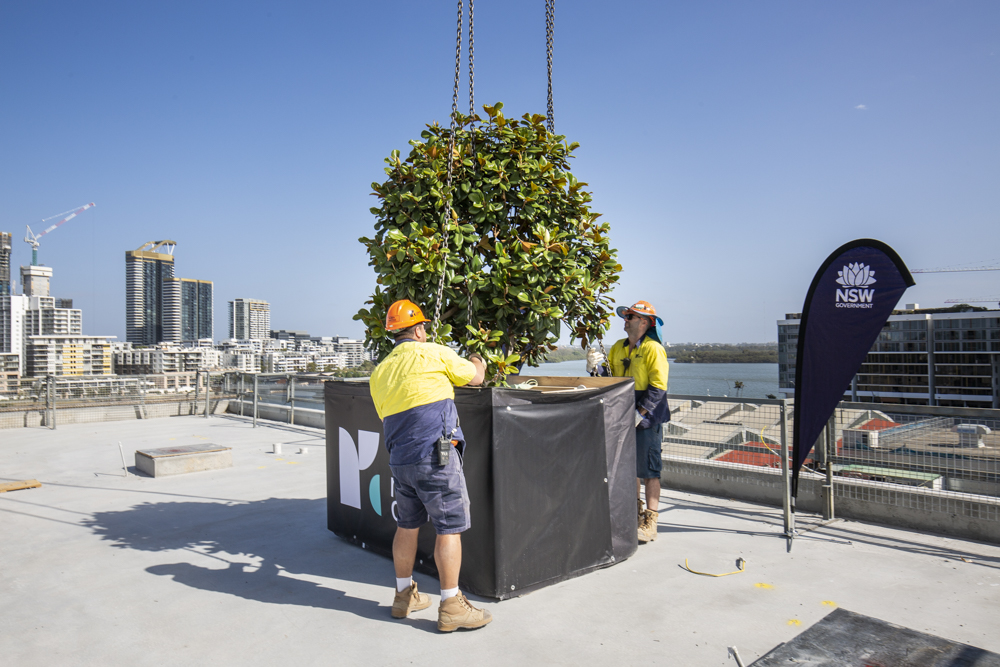
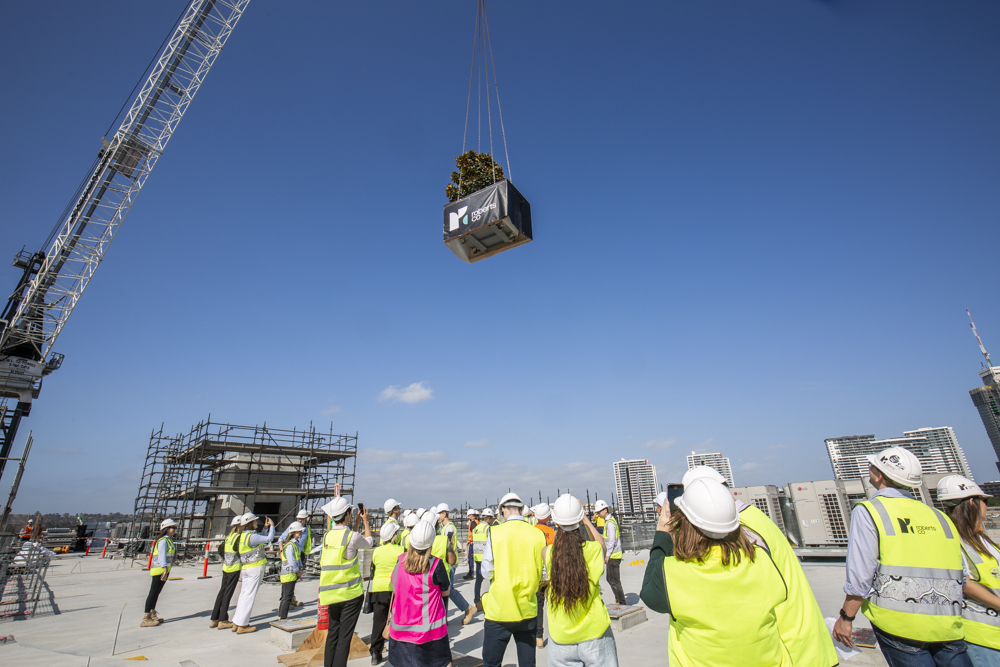
You might wonder, what is a “topping out”? According to Wikipedia, it is a practice which seems to have originated in ancient Scandinavia as a religious rite, where a tree was placed atop a new building to appease the tree-dwelling spirits displaced during construction. The tree also served a practical purpose: when the pine needles fell to the ground, it signaled to the builders that their timber frame had cured or dried.
Today, a “topping out” event is usually organized by the builder, who invites those partners and associates involved with the project to a ceremony to mark the completion of the final level in construction, signifying that the structure is finished.
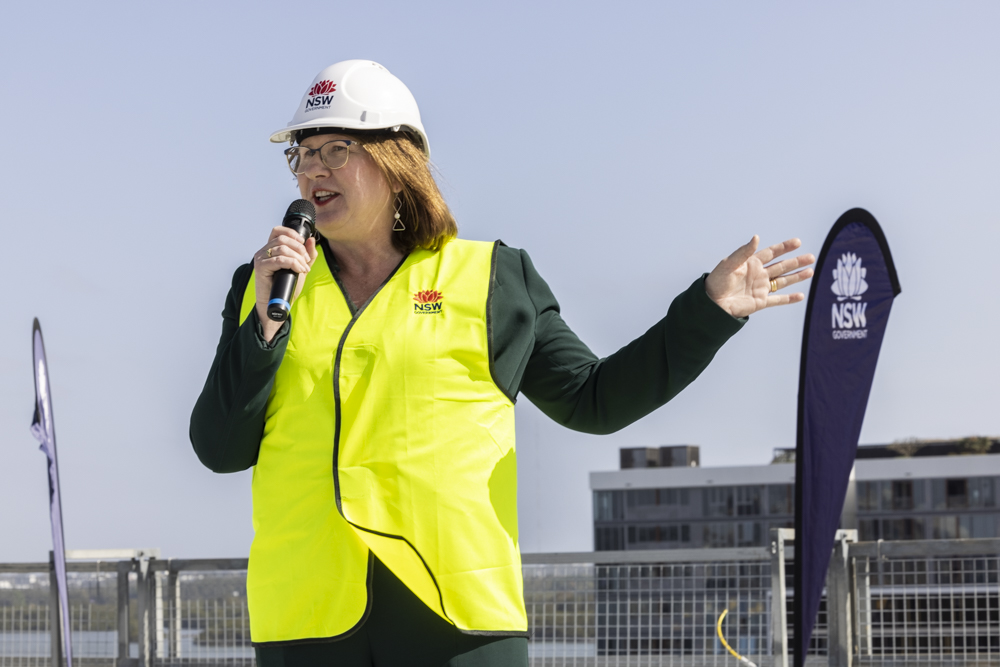
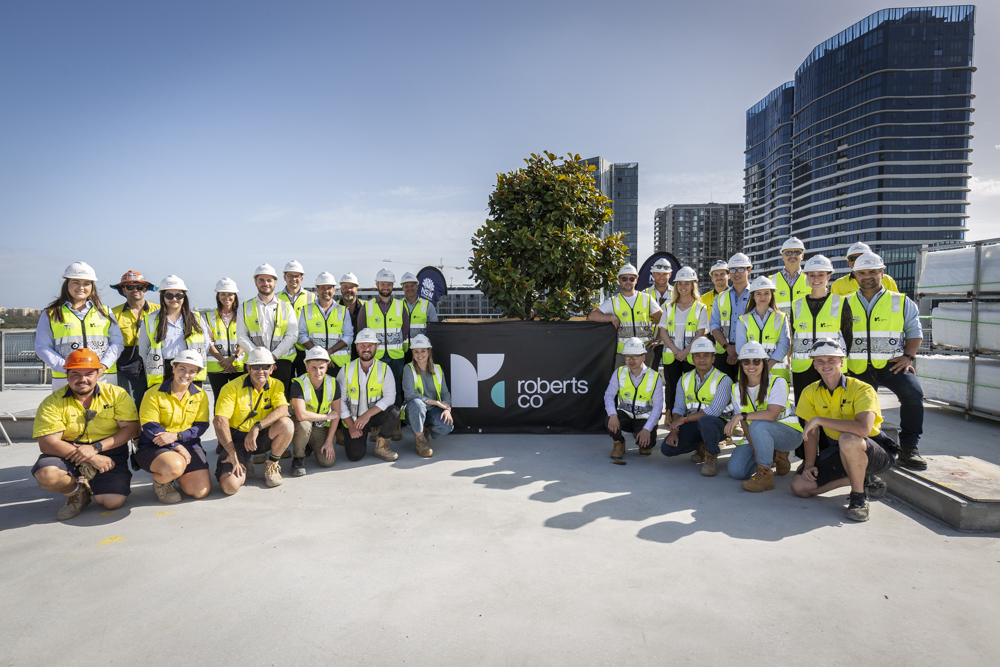
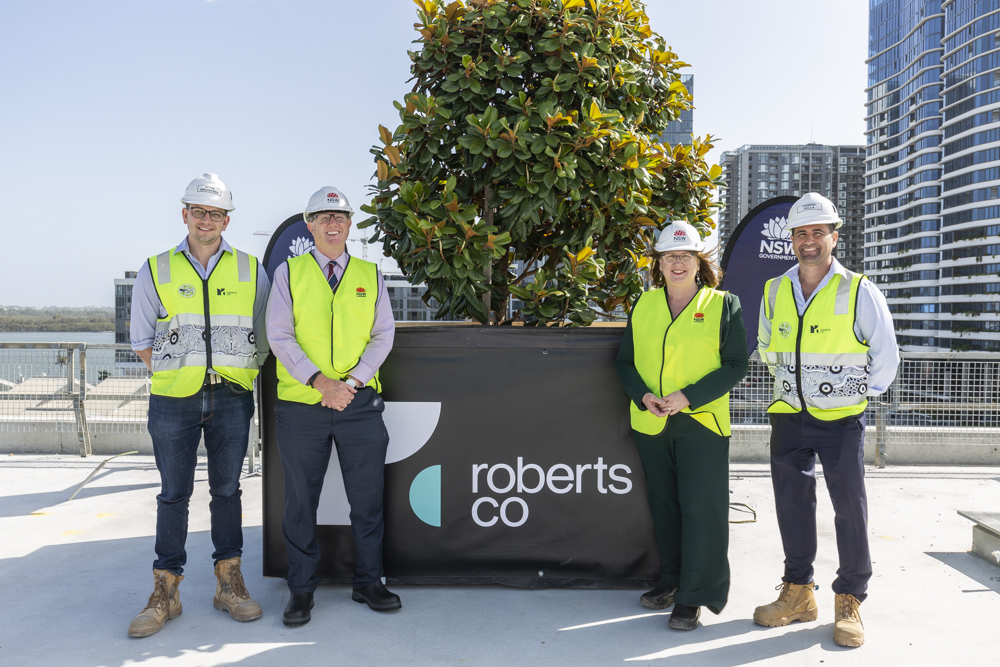
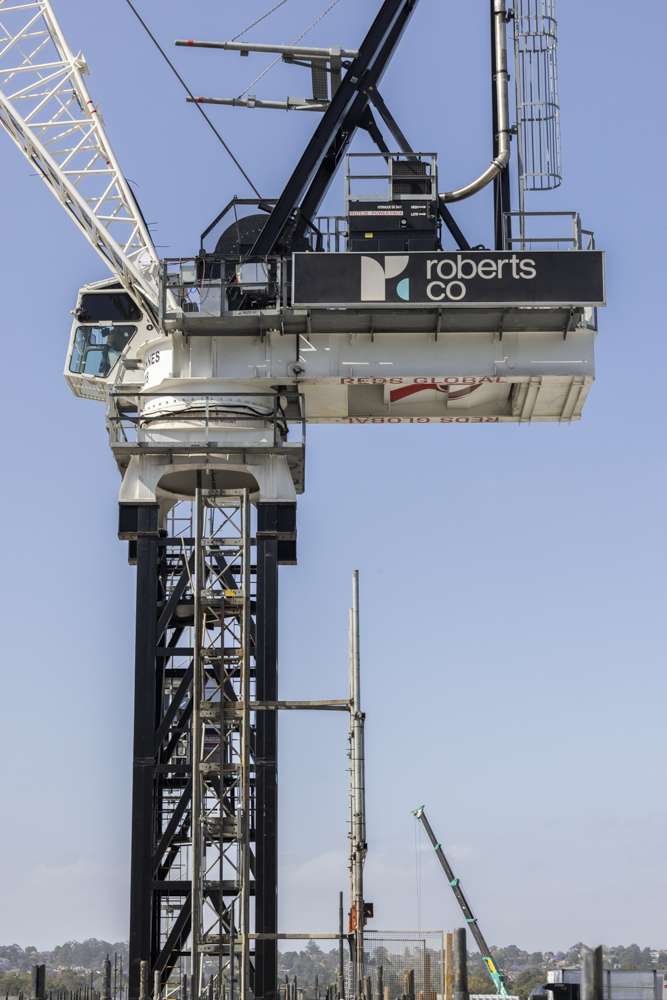
At the event I covered for Roberts & Co., a large potted tree was hoisted by crane onto the roof of the building. Speeches were made and group photos were taken. I learned that the tree does not remain on the roof; after the event, it is taken back down by crane and planted somewhere nearby.
It was a cold winter morning in Sydney but this didn’t stop the team from The Hayes Theatre from coming to my Lilyfield studio for a promotional shoot to capture images for their ever-expanding program of productions and shows. This included portraits of Nancye Hayes, Jay Laga’aia and Aaron Tsindos, ably assisted by Ashleigh Grace (hair and make-up), Brendan de la Hay (wardrobe/stylist), as well as producer, Rica Canillas, artistic directors Richard Carroll and Victoria Falconer. The proceedings were documented by the content creator, Blythe Ashton.
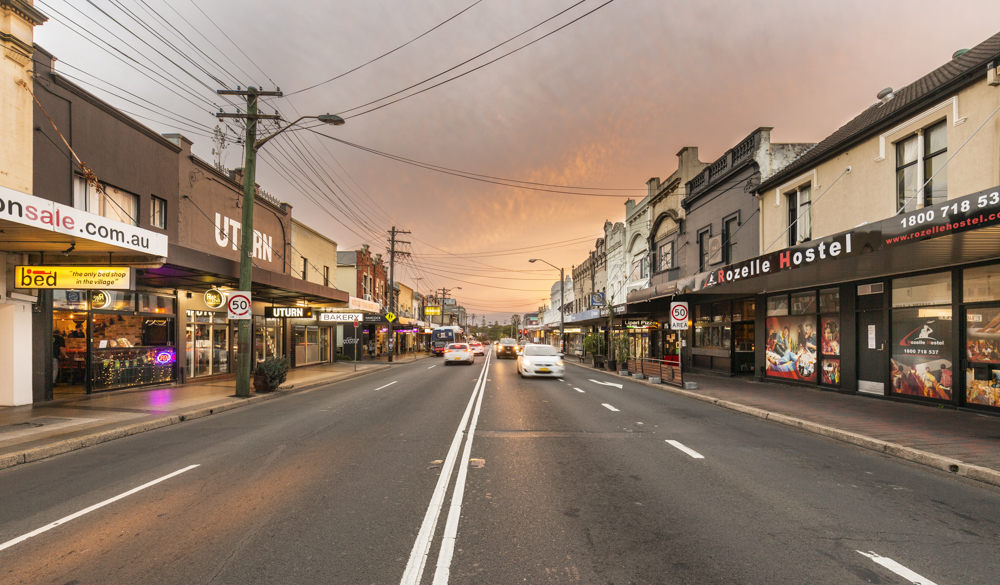
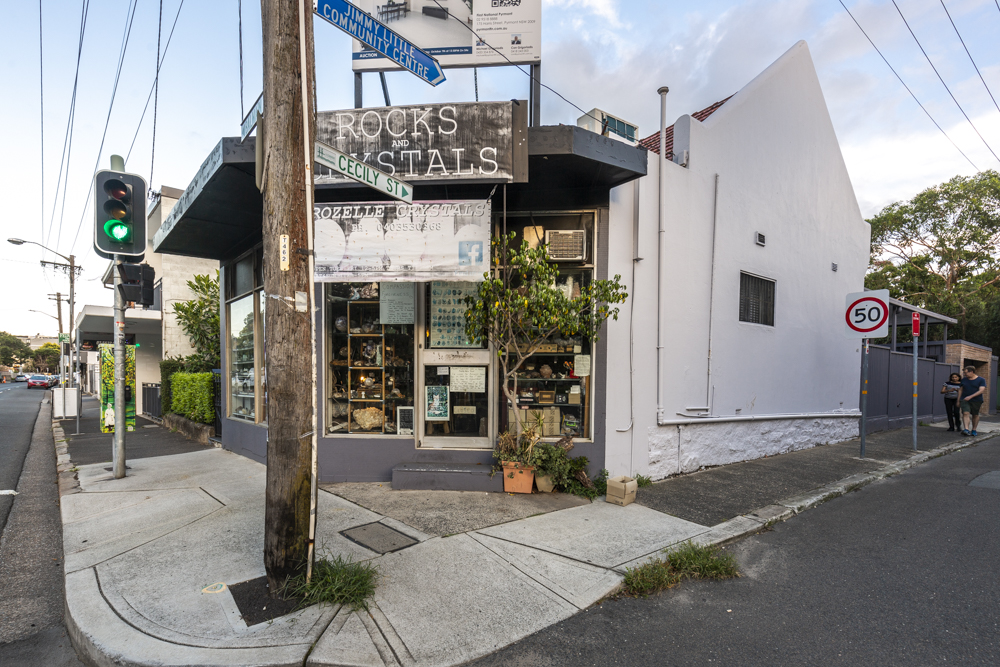
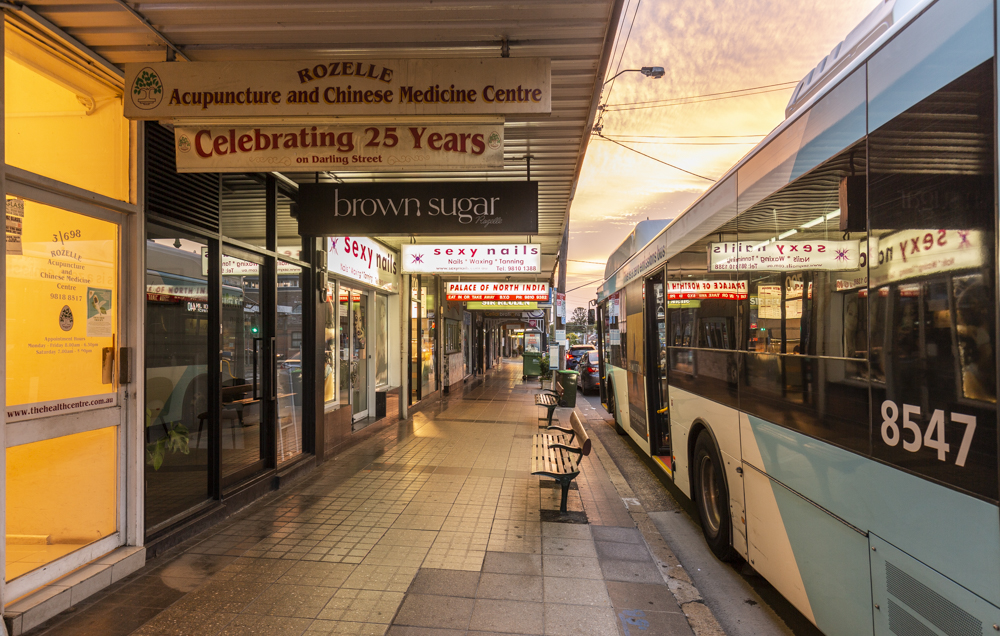
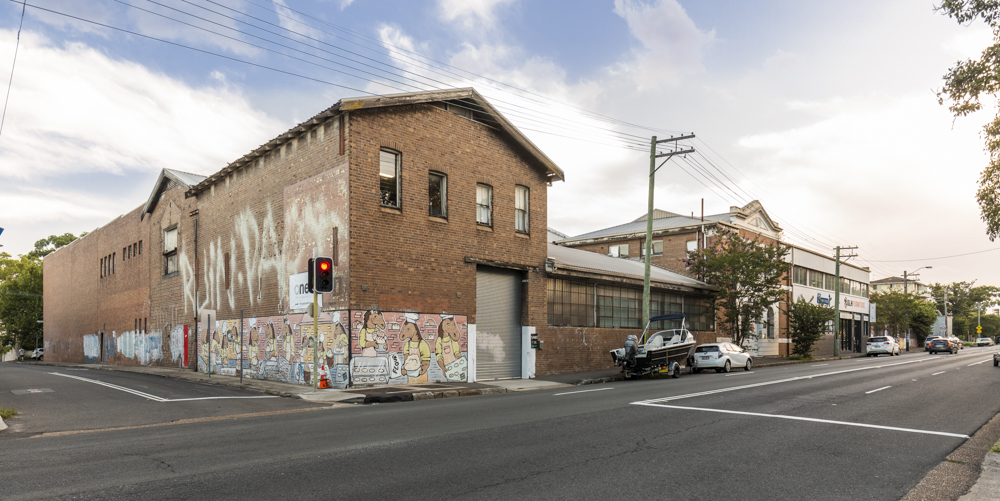
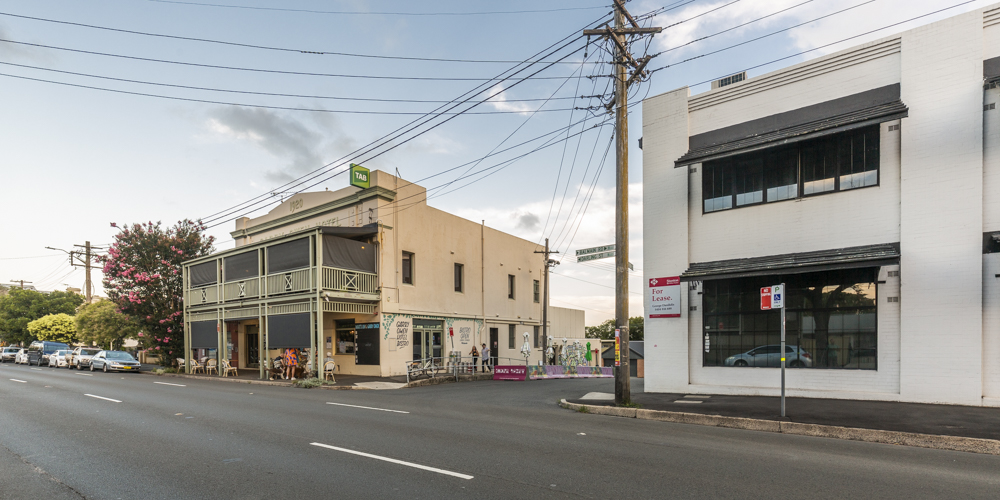
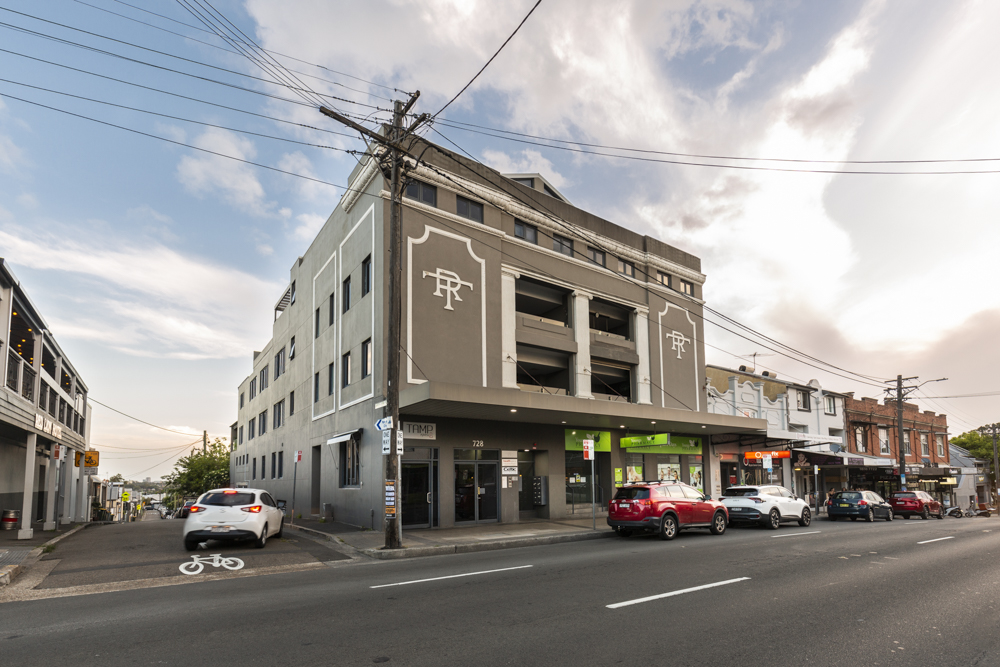
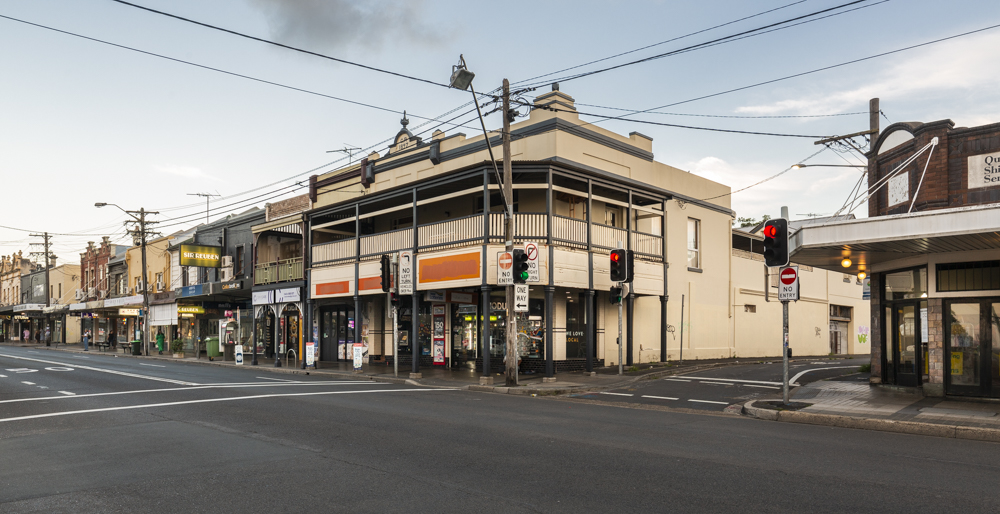
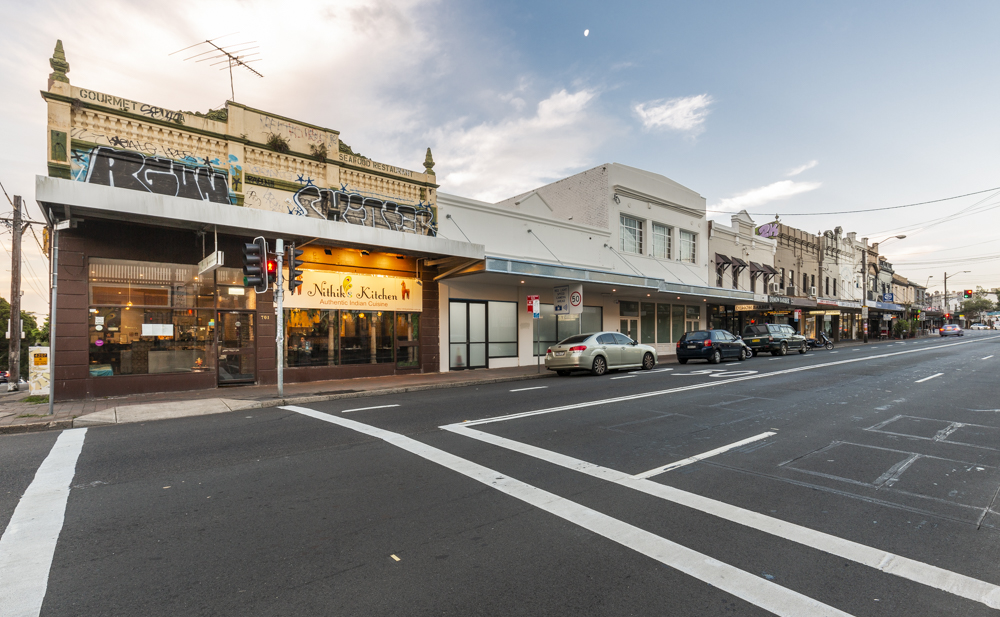
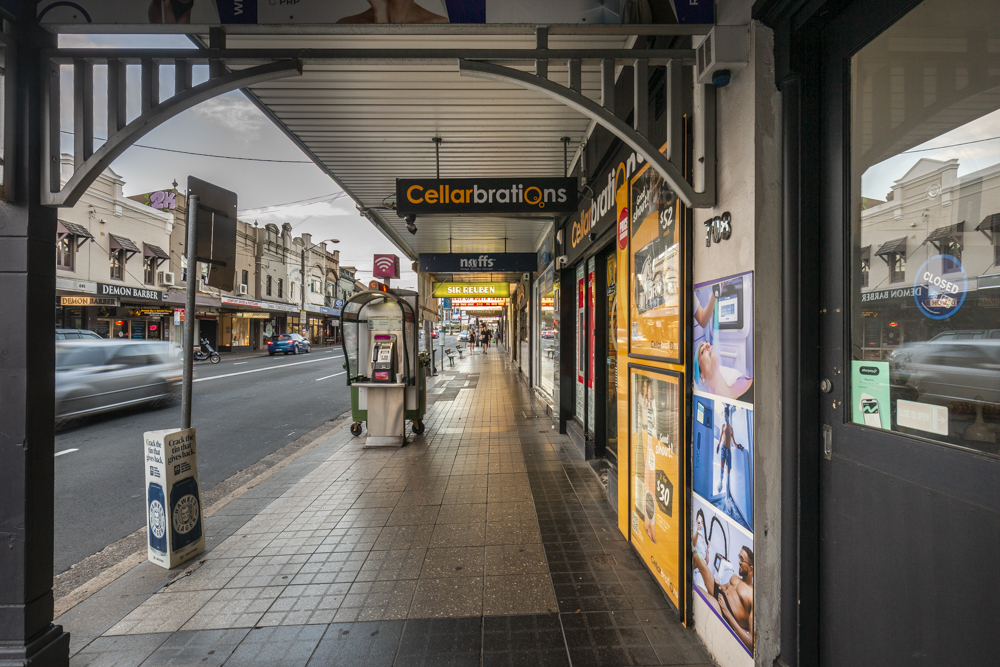
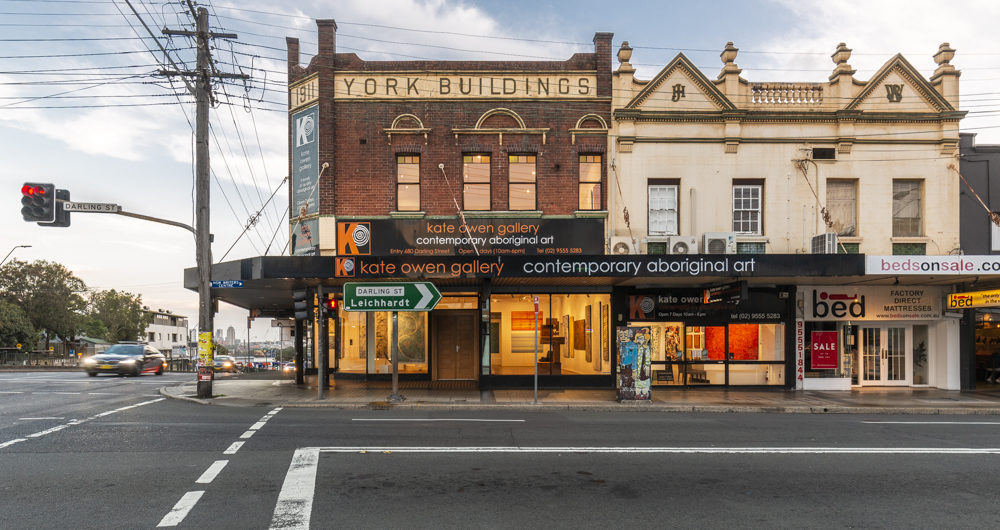
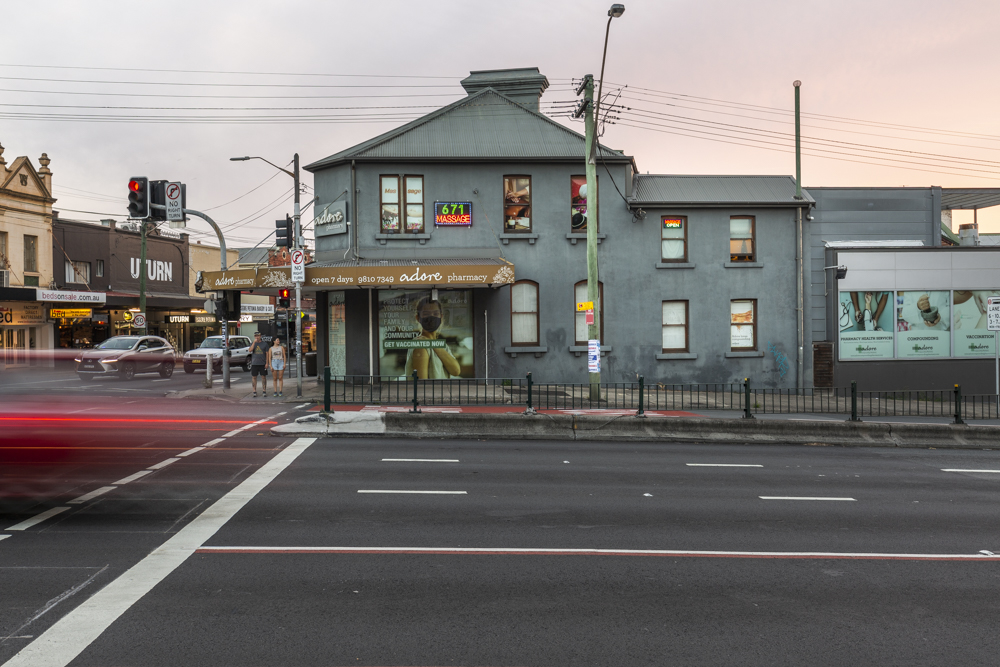
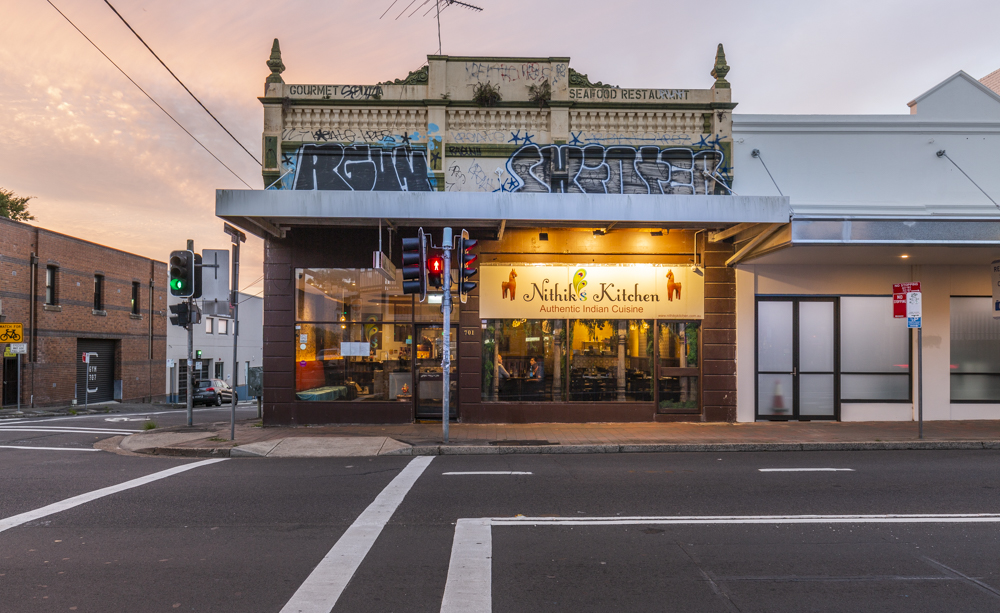
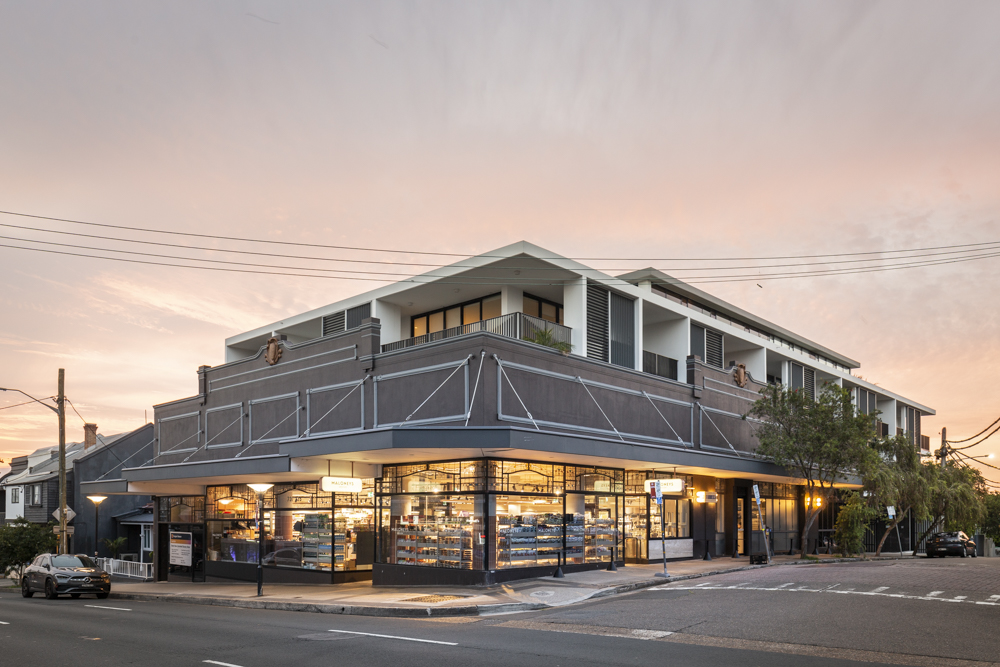
One recent summer evening I decided to wander down Darling Street with my camera, to capture some images of the streets of Rozelle and Lilyfield as the skies turned to dusk.
It was a great exercise because not only did the light have an almost surreal quality, but it was fascinating to see how the corner shops, pubs and buildings which I pass by almost every-day are able to take on another dimension.
So every now and then, as I have done so in the past, I will continue to document my local area … it’s worthwhile to record the changes over time, to highlight what stays the same and also to get some fresh air at sunset.
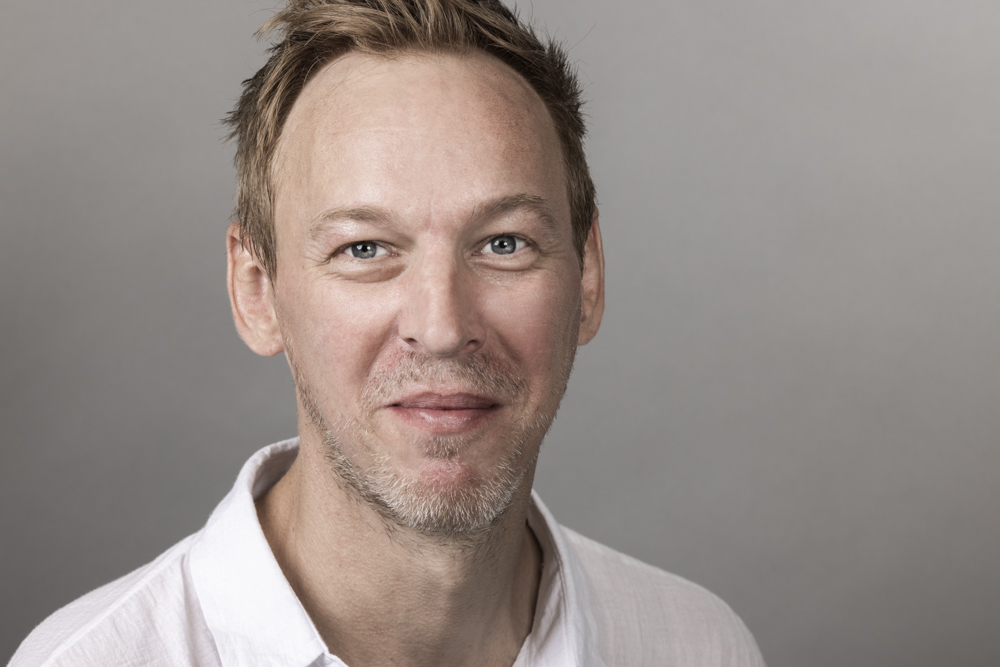
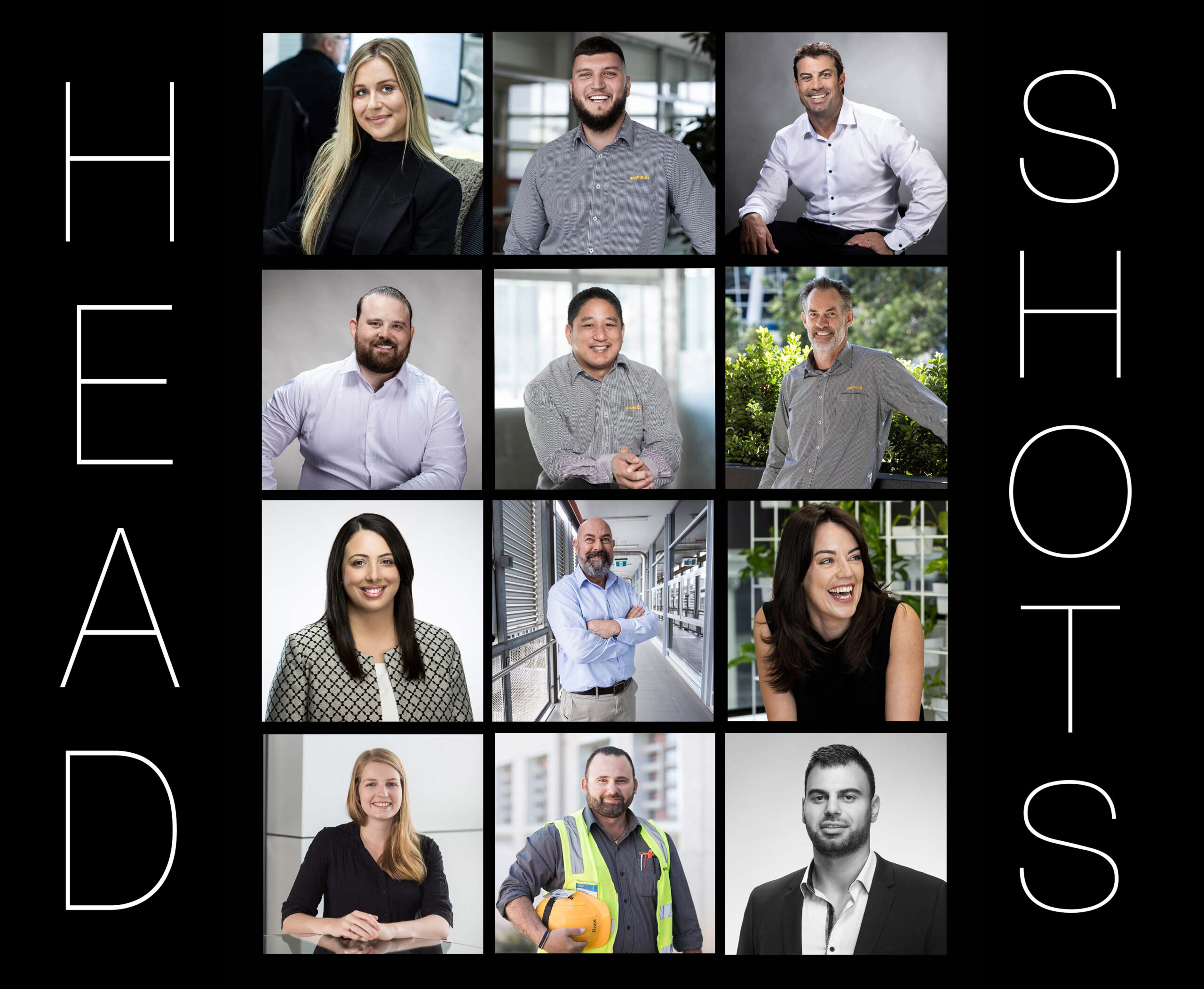
The start of the year is a great time to consider updating your professional headshot or creating a new image of yourself.
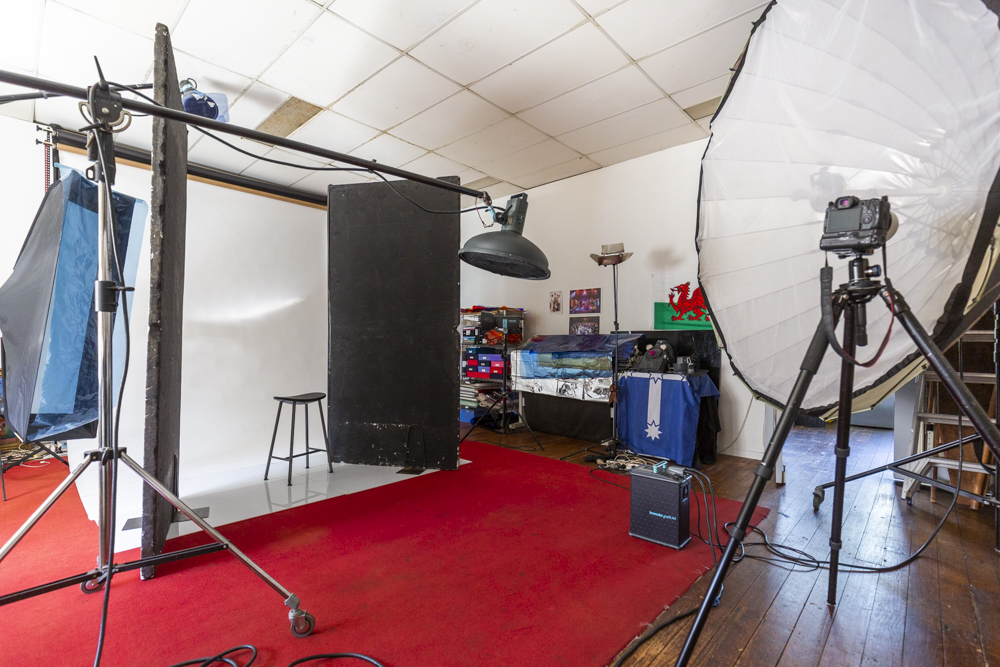
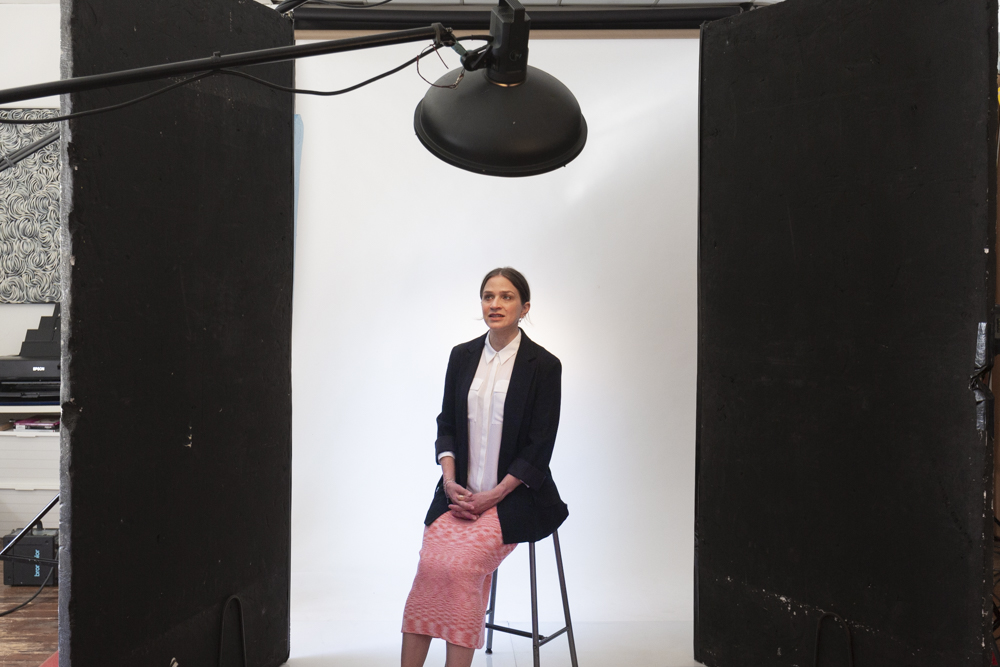
I invite you to come to my comfortable and relaxed studio in the inner-city Sydney suburb of Lilyfield, where we can create your new image together.
We can discuss what options are best. I am happy to tailor the shoot to your specific needs – this may be a corporate headshot, something more relaxed, or an actor’s headshot. You may want to use the images for your portfolio, your CV, your social media profiles such as linked-in, facebook and instagram … or you may have other intentions. We can create a number of different eye-catching looks. I am happy to advise you on what direction we could take.
Above all, we will make the process as fun and rewarding as can be.
Give me a call on 0419 619 161 or contact me via email: john@johnmcrae.com
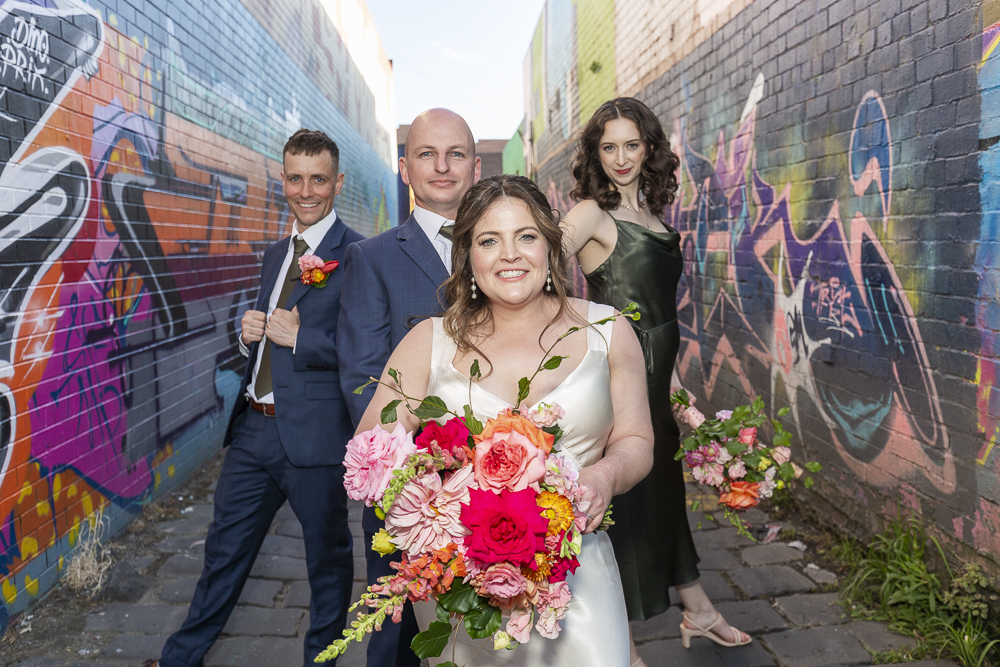
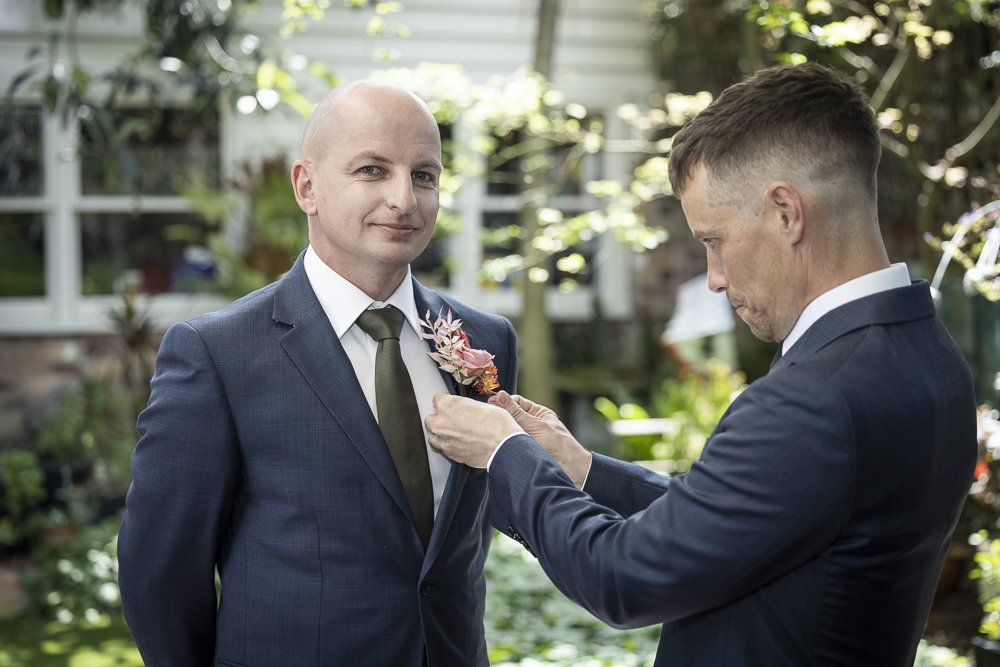
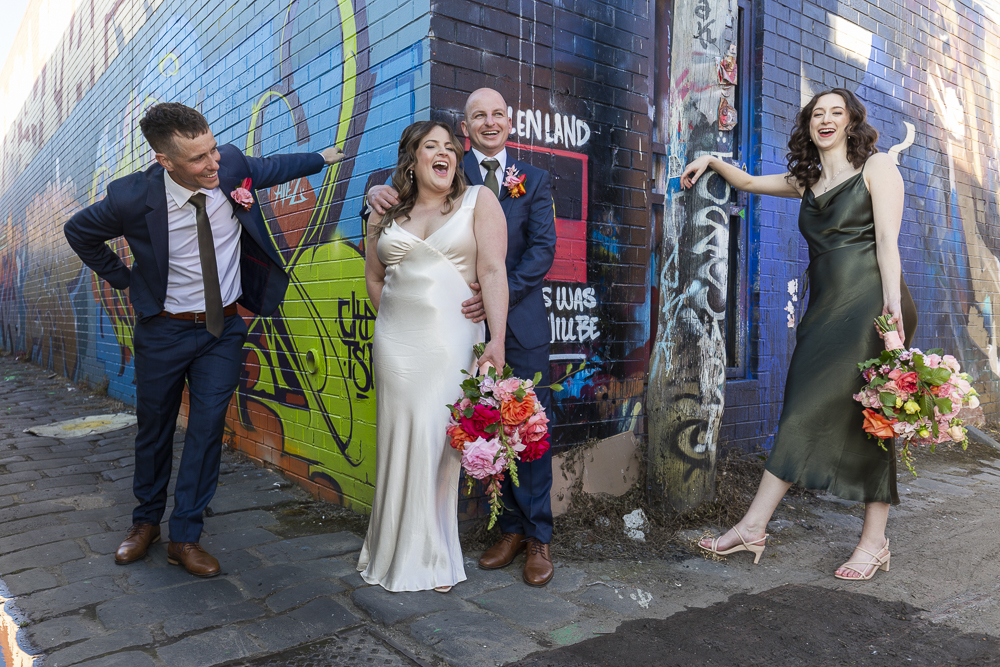
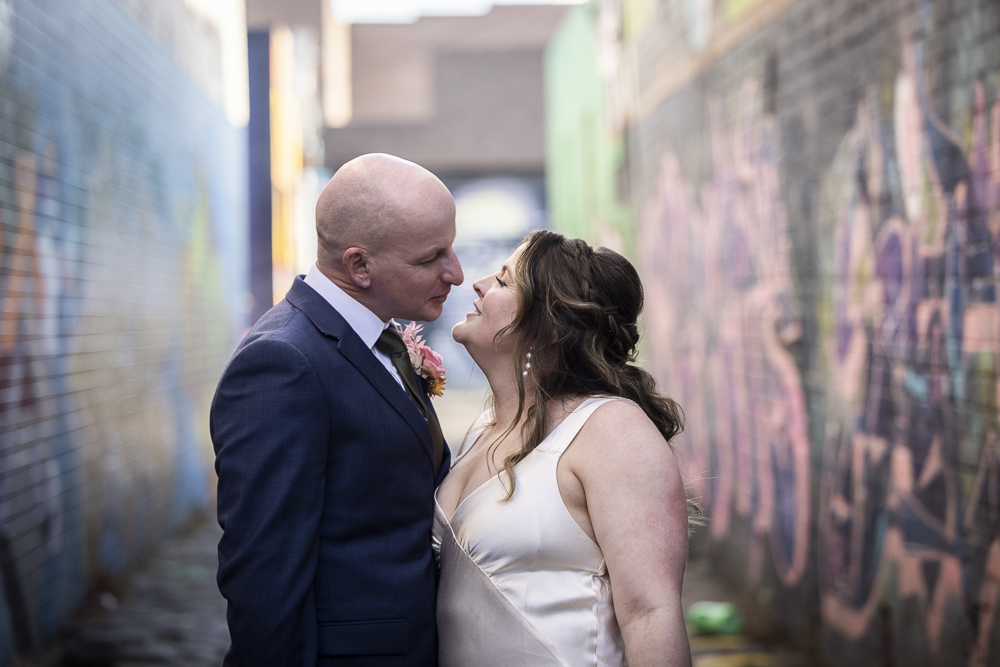
I traveled to Victoria to photograph the wedding of Georgia and Luke in the Melbourne suburb of Brunswick.
Many years ago I lived along Sydney Road in Brunswick, and I have very fond memories of this quintessential “Melburnian” urban landscape. The weather for Georgia and Luke’s wedding was perfect, so what more could you want for a successful and joyful event.
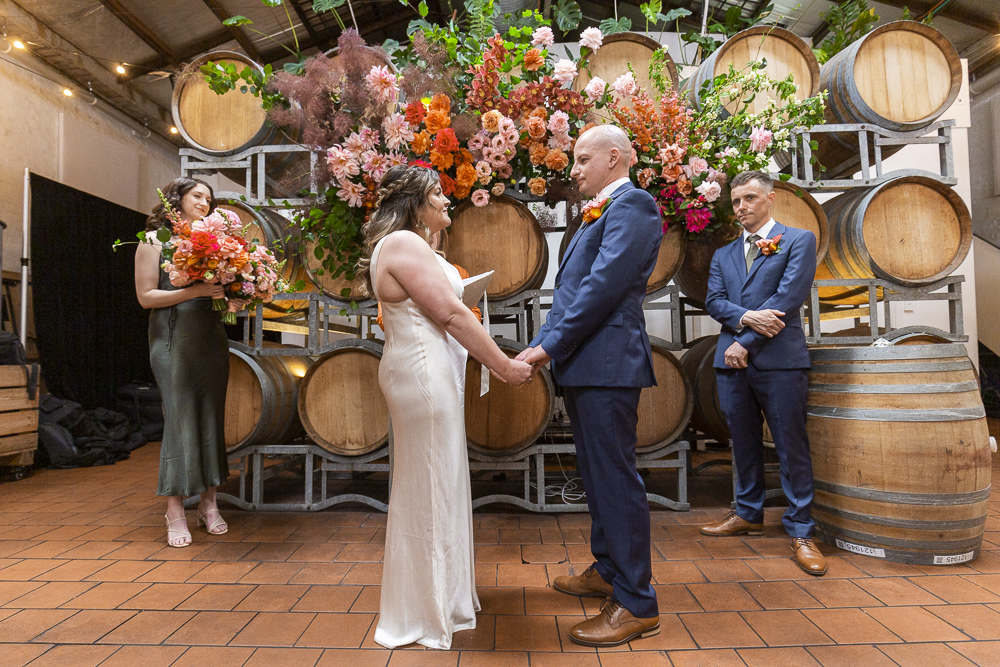
The wedding took place along Lygon Street. The ceremony was held at a great space called the Noisy Ritual Urban Winery. The reception was also held here, so there was no need to move great distances to find the reception … you just sat down. Actually it wasn’t too “noisy” at all. It was a lively space that was perfect for such a celebration, with attentive and generous staff on hand.
During the ceremony at the Noisy Ritual Urban Winery
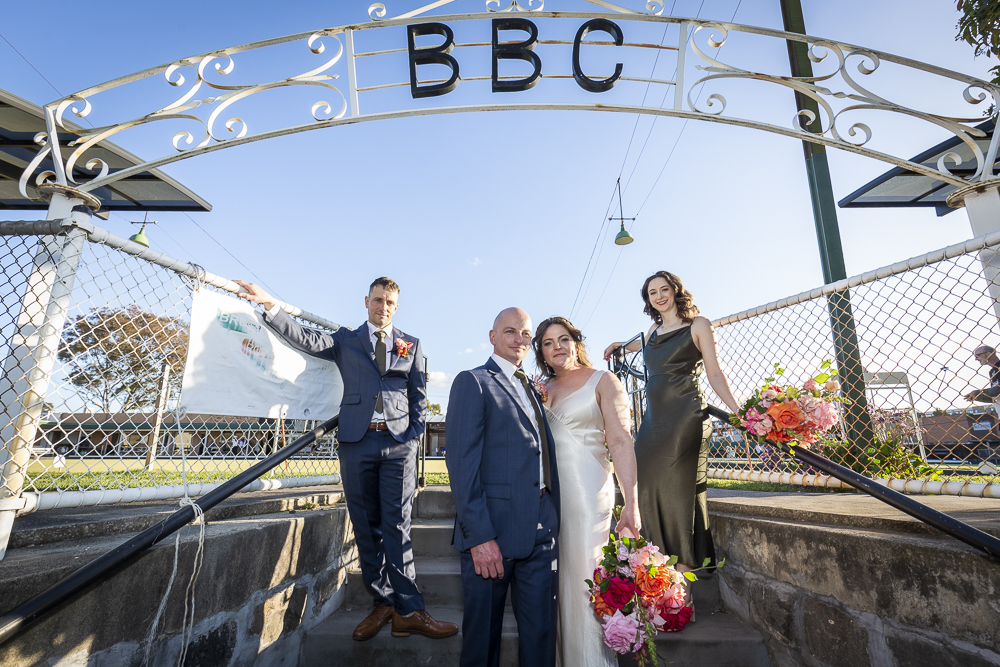
Brunswick Bowling Club entrance
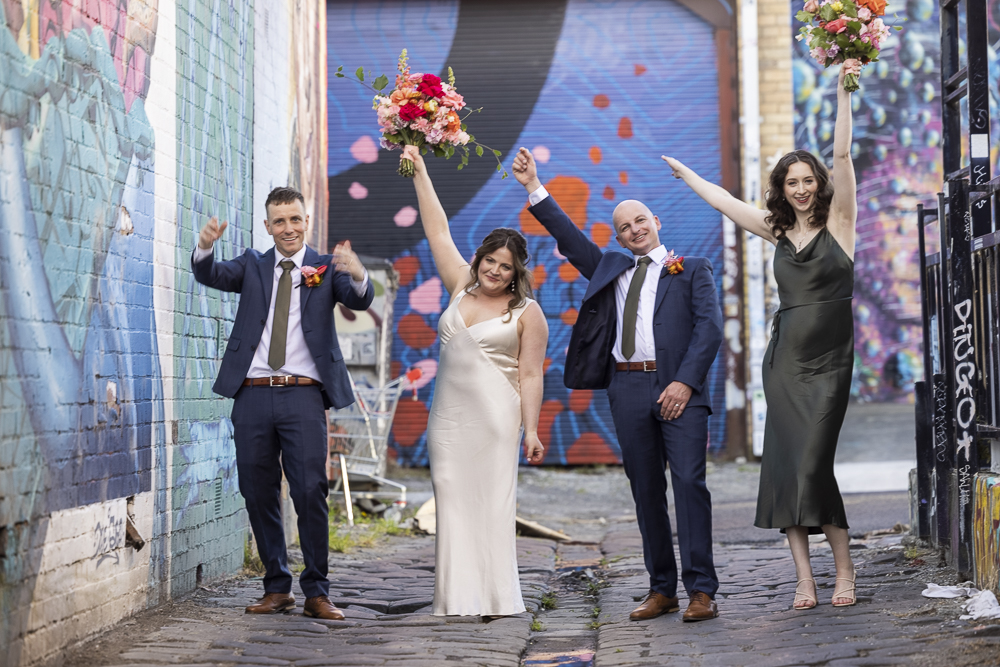
We also made great location shots in the general area. We didn’t have to walk far to find colourful graffiti-covered laneways which provided the best backdrops and perspectives for location images. The bride grew up not far from this area. Georgia has a particular affinity for the Brunswick Bowling Club grounds, so we staged a couple of shots of the newly-weds at the entrance gate. The East Brunswick Hotel also holds a special place in her heart, so we included this iconic venue in the background of a few shots for good measure. I enjoyed the tour of the back streets as we made our way from one brightly coloured spot to the next.
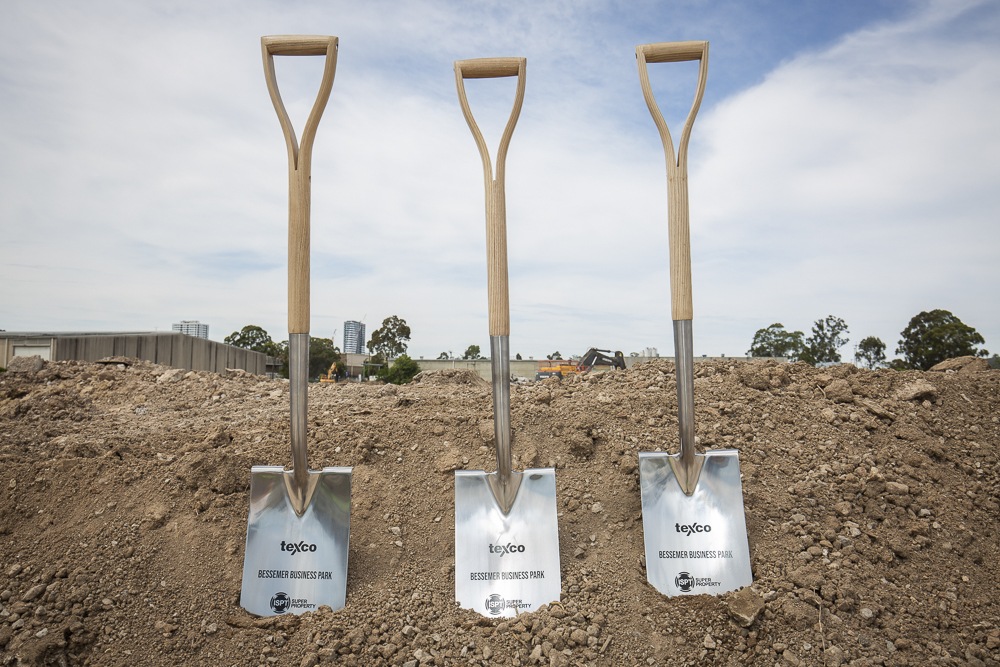
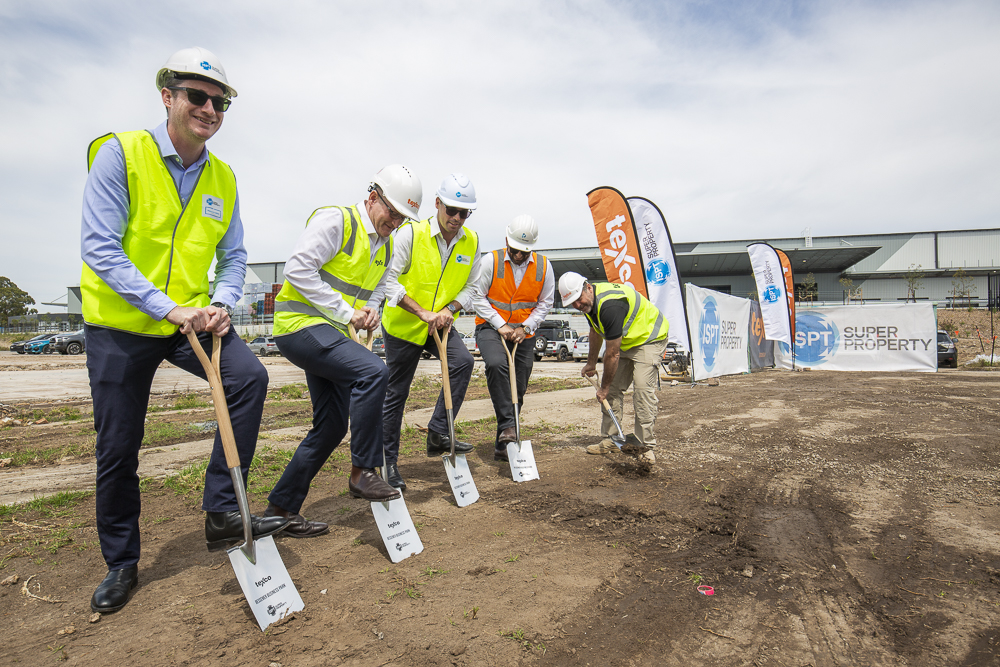
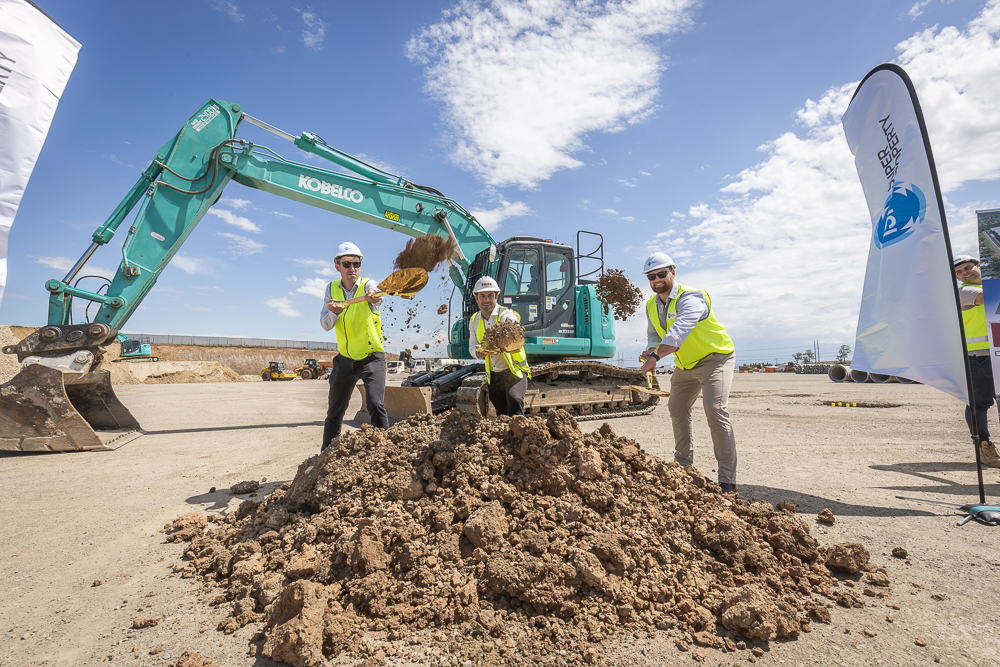
Sod turning, also known as groundbreaking, cutting, sod-cutting or “turning the first sod”, is a traditional ceremony in many cultures to celebrate the first day of construction of a building or other large-scale project. Such ceremonies are often attended by dignitaries including politicians and financers. In two recent ceremonies in Sydney which I recorded as photographer, the dignitaries were various business people associated with the developments, namely the developer (ISPT) and the two respective builders (Prime Constructions and Texco).
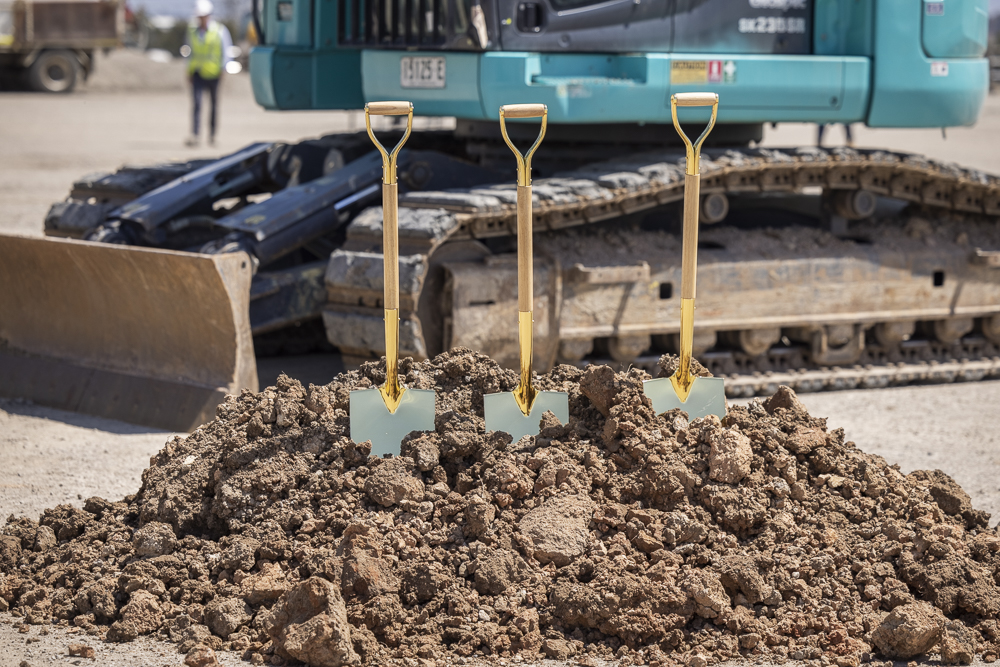
The actual shovel used (see above pic) during the groundbreaking is often a special ceremonial shovel, sometimes coloured gold, and it is meant to be saved for subsequent display. It may also be engraved. Sometimes a bulldozer is used instead of a shovel (but not at these two events, although an excavator was moved into the background at the Eastern Creek site for dramatic effect).
Sod turning at Eastern Creek with ISPT and Prime ConstructionsAt Eastern Creek golden shovels were used for the sod turning
Groundbreaking ceremonies have a long history, celebrated for centuries to officially mark the beginning of construction of a new property, partly to thank those who made it possible (noting that the people concerned may have already been working for years to finance, design and develop the project to the point of actual construction). The first documented groundbreaking ceremony took place in ancient China, in 113 BC. Many early groundbreaking ceremonies were intrinsically linked to religion, however this is not necessarily the case in modern times.
In November, I attended two ceremonies on the same day … both featuring the developer ISPT, who partnered with Texco (builders for the Bessemer Business Park in Blacktown) and Prime Constructions (builders for the Eastern Creek site). I appreciate how important it is to acknowledge the hard work and achievement of people through these “rites of passage”, such as sod turning. Of course this is just the start, since these men and women are about to embark on a new phase of hard work, in the building of these new structures and warehouse facilities, due for completion in late 2024.
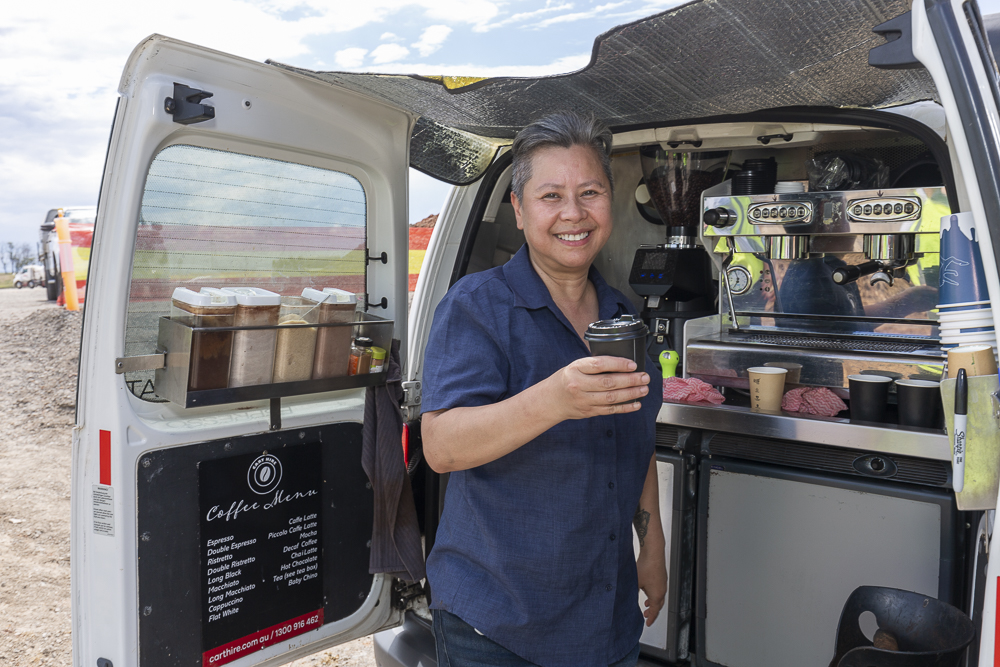
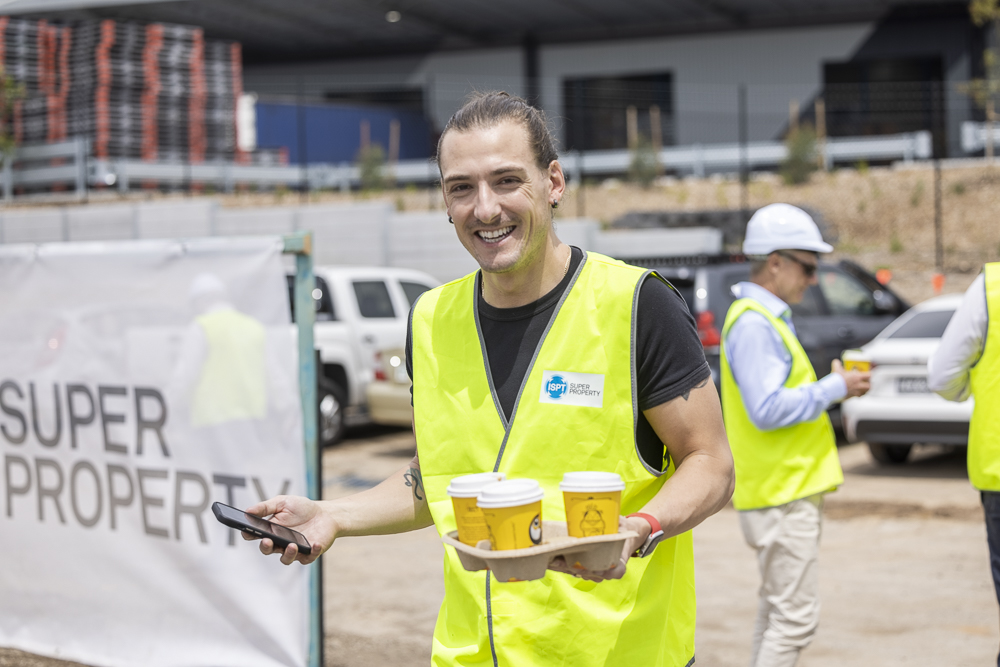
Much to my delight both ceremonies included cakes and coffee following the speeches and formalities.