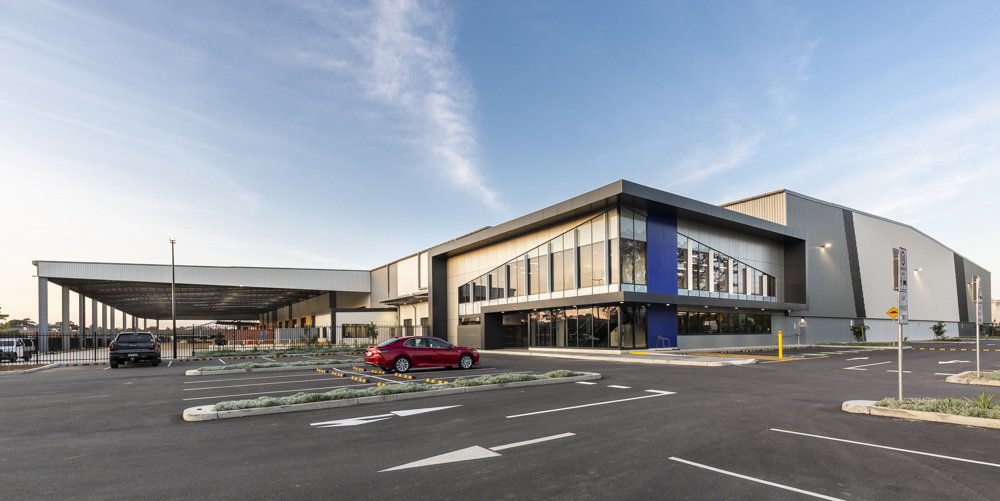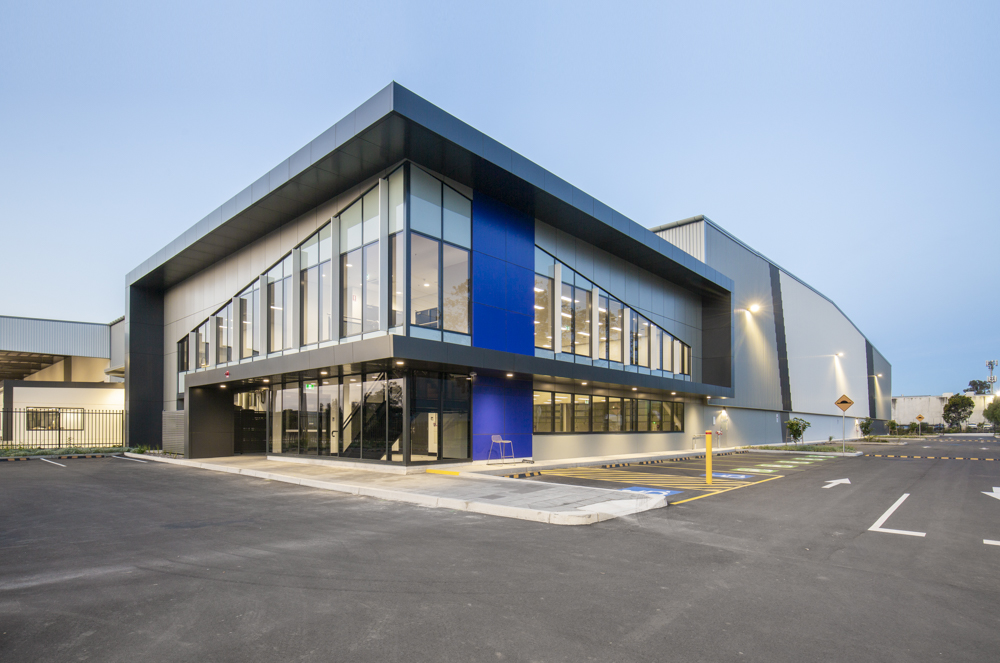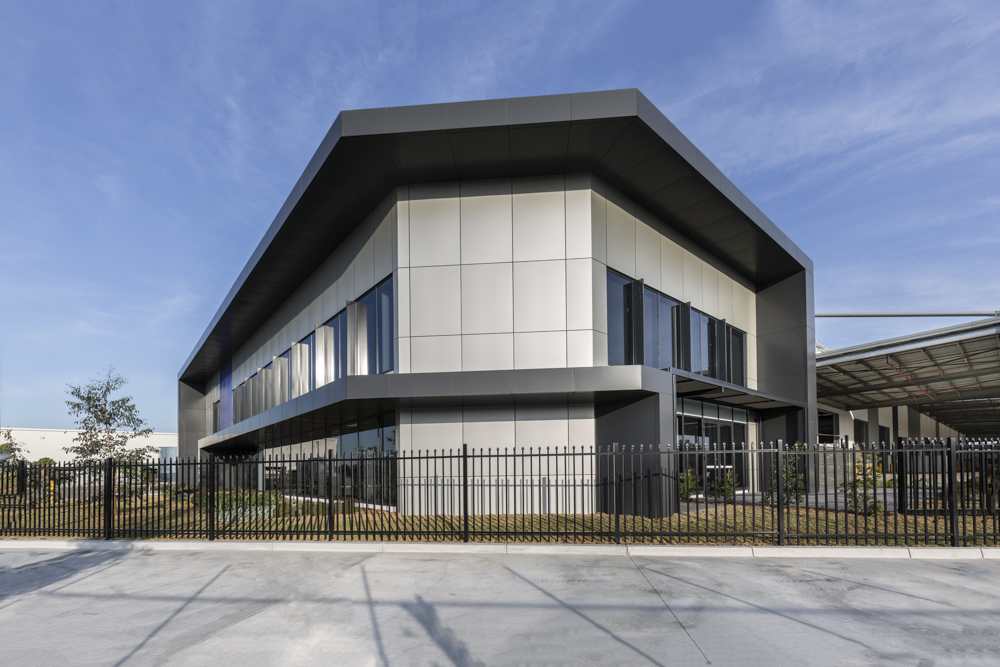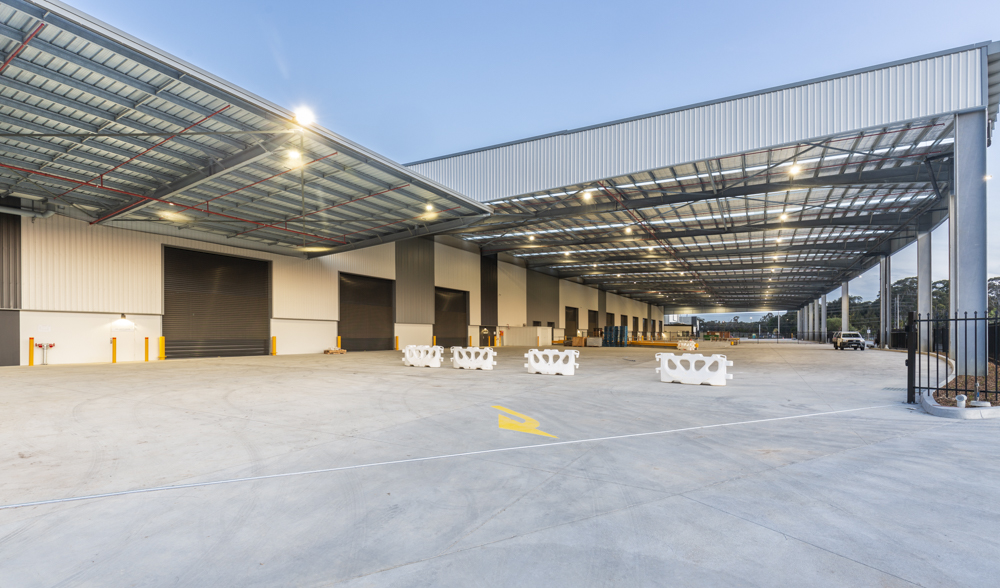
Mainbrace converts warehouse for Amazon

I recently had the opportunity to photograph the newly converted Amazon warehouse at Chullora, a massive facility that speaks to the scale and precision of modern logistics. This project, delivered by Mainbrace Constructions, highlights their reputation as one of Australia’s leading builders, known for managing large and complex retail and industrial projects across the country.

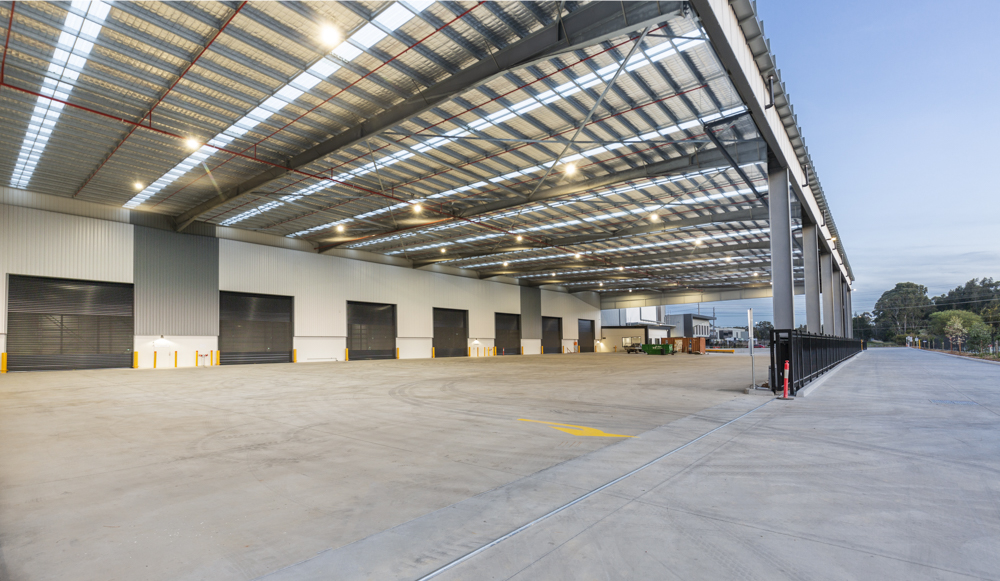
Walking into the site, I was immediately struck by the immensity of the space. The vast interior is laid out with bays for trucks, an intricate system of conveyor belts, and a network of machinery designed to ensure the smooth and rapid movement of parcels. Every detail is engineered for efficiency—an invisible but vital backbone of our daily lives in the city.

I chose to shoot into dusk, when the fading light softens the enormity of the structures, and the artificial glow inside the warehouse begins to dominate the scene. The interplay of natural and industrial light creates a calm, almost cinematic atmosphere, balancing the sheer scale of the operation with a sense of quiet focus.

Complexes like this are essential services that underpin the way we live. They allow the seamless flow of goods—everything from household staples to urgent deliveries—that we’ve come to expect as part of our fast-paced urban lives. Photographing this site was a reminder of how these unseen logistics hubs keep our cities moving, even if they’re tucked away in industrial zones on the edge of town.

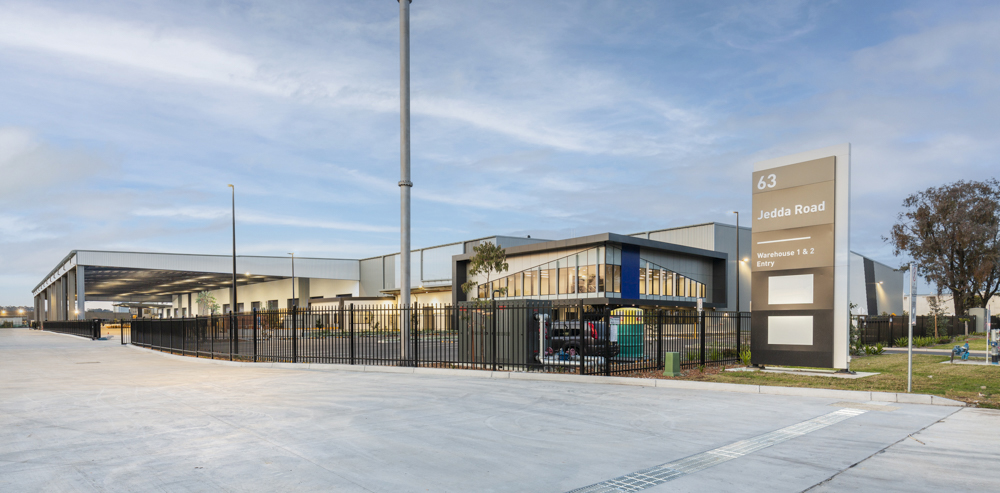
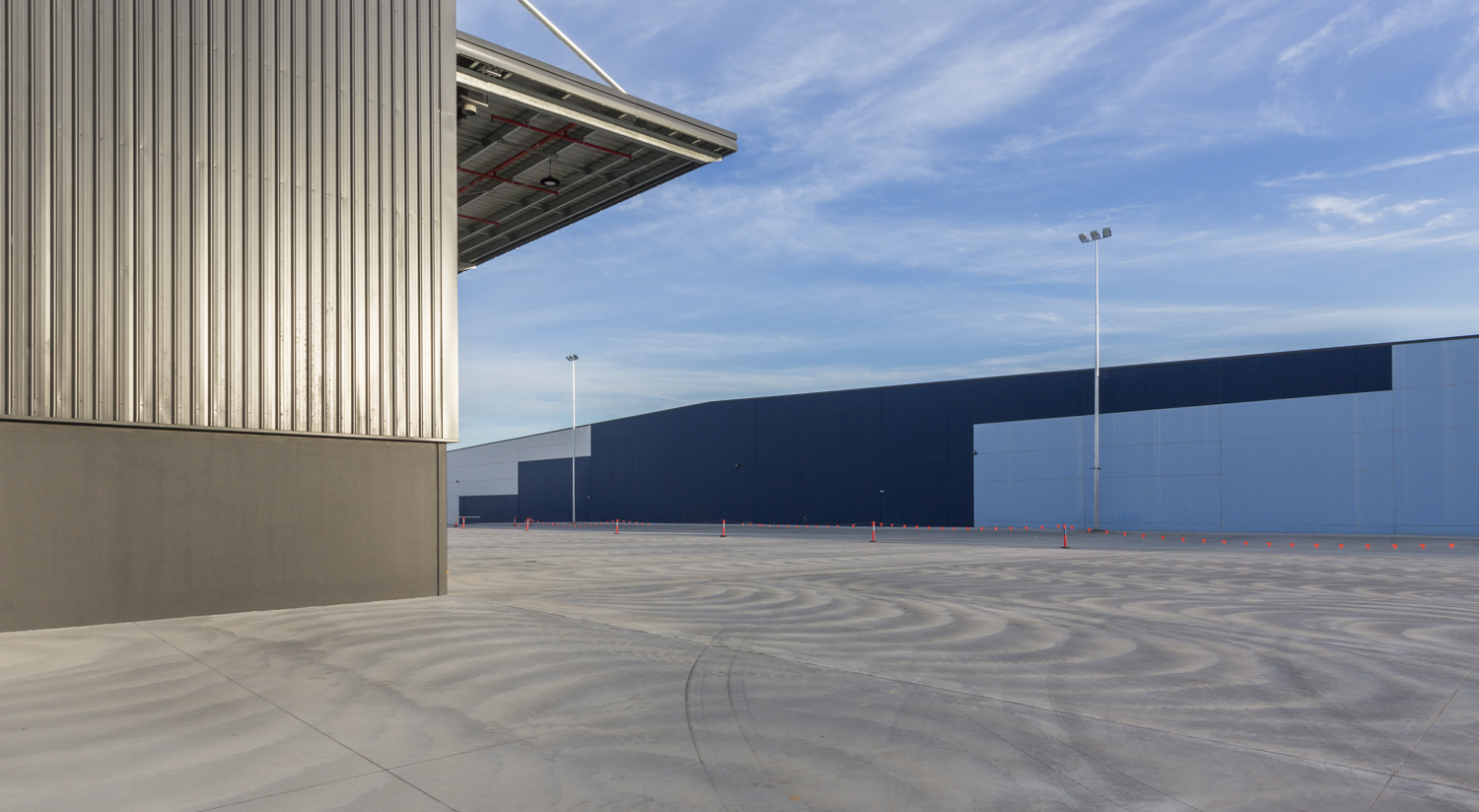
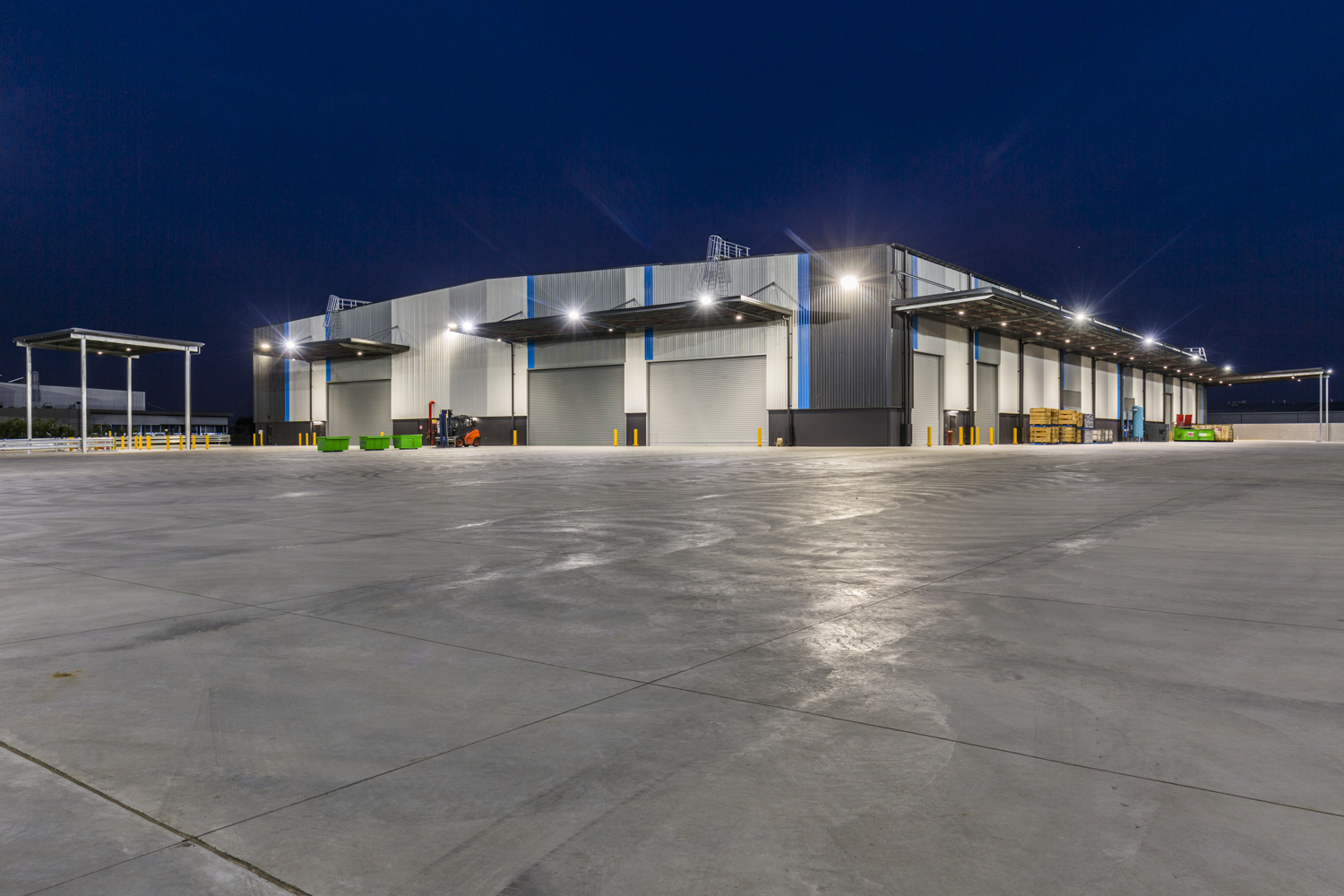
Photographing ESR’s Wetherill Park Development

I was recently commissioned by ESR, a leading developer, owner, and manager of industrial and logistics real estate. With projects spanning across the Asia-Pacific region, ESR creates the kind of infrastructure that underpins how our cities function — from the warehouses that store goods to the distribution centres that keep supply chains moving.

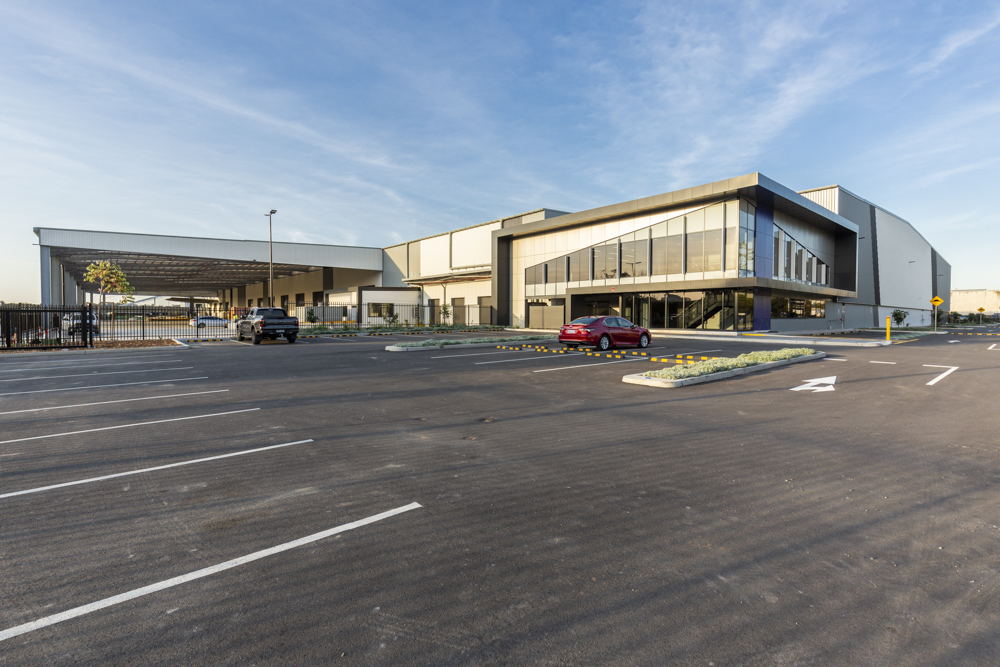
My latest shoot for them took me to Wetherill Park, where ESR has completed a new warehouse complex made up of four distinct buildings. These immense structures rise from the western Sydney landscape, commanding attention not just through their size but through their purpose — serving as vital arteries in the logistics network of a growing city.

I began shooting in the afternoon and worked until dusk, when the light grew softer. The quiet transition from day to evening is one of my favourite times to photograph; the stillness of the outer west makes you pause and reflect on just how much infrastructure is required to sustain the concentrated population closer to the city’s centre. For most of us, this vast logistical framework remains invisible, yet it is essential to the way we live and work every day.

From a technical standpoint, photographing warehouses of this scale demands careful attention to form and structure. These buildings are geometric and monumental, so framing becomes about emphasising clean lines, proportions, and the relationship between the built form and the surrounding landscape. Light is another critical consideration — harsh midday sun can flatten the details, while late afternoon and evening light adds dimension and mood. Managing exposure is also key: balancing shadow and highlight to preserve detail across such expansive façades.

I enjoy photographing these structures which are neither decorative nor ornamental. They embody purpose, efficiency and scale – qualities that, when seen through the lens, reveal their own quiet beauty.

New logistics facility at Prestons

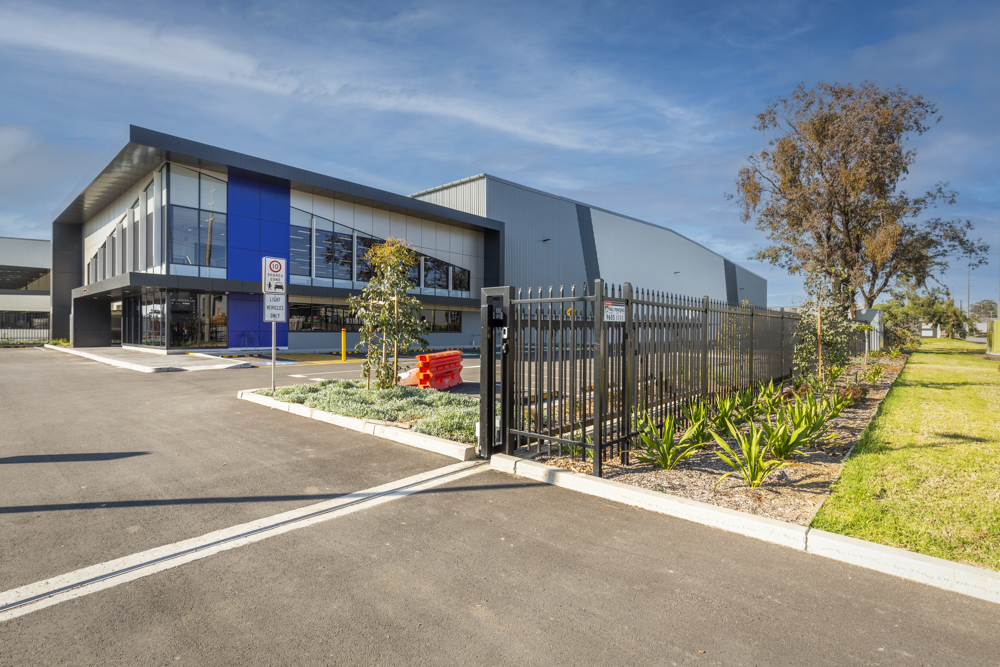
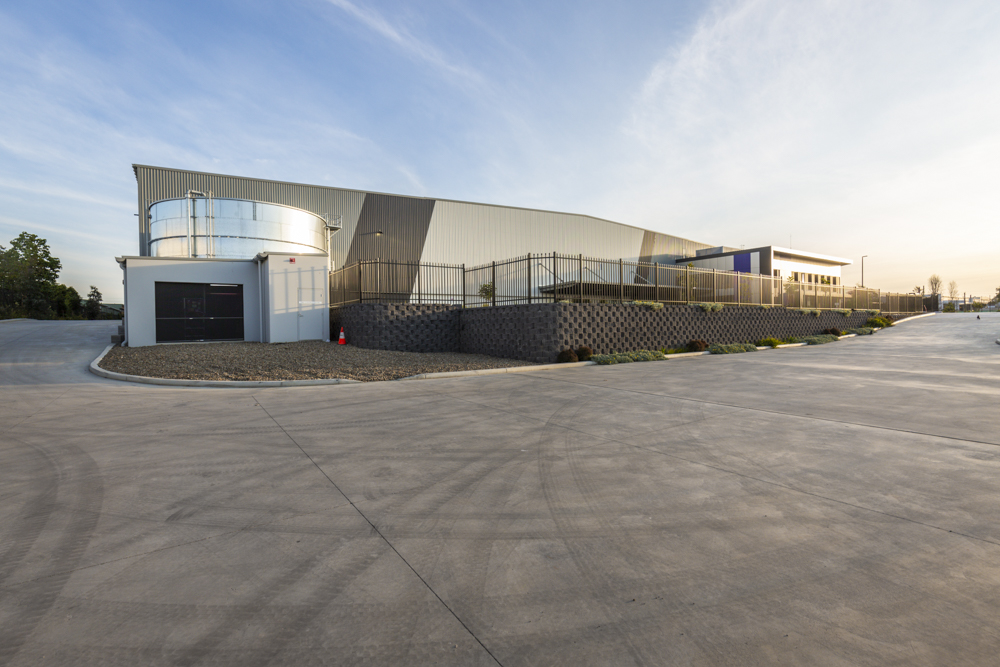
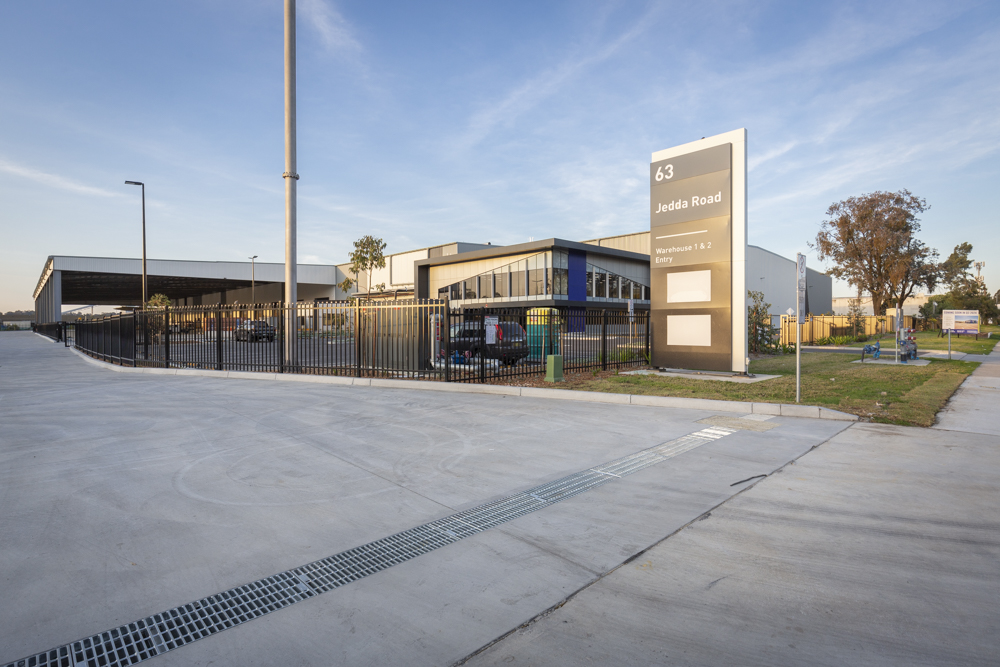
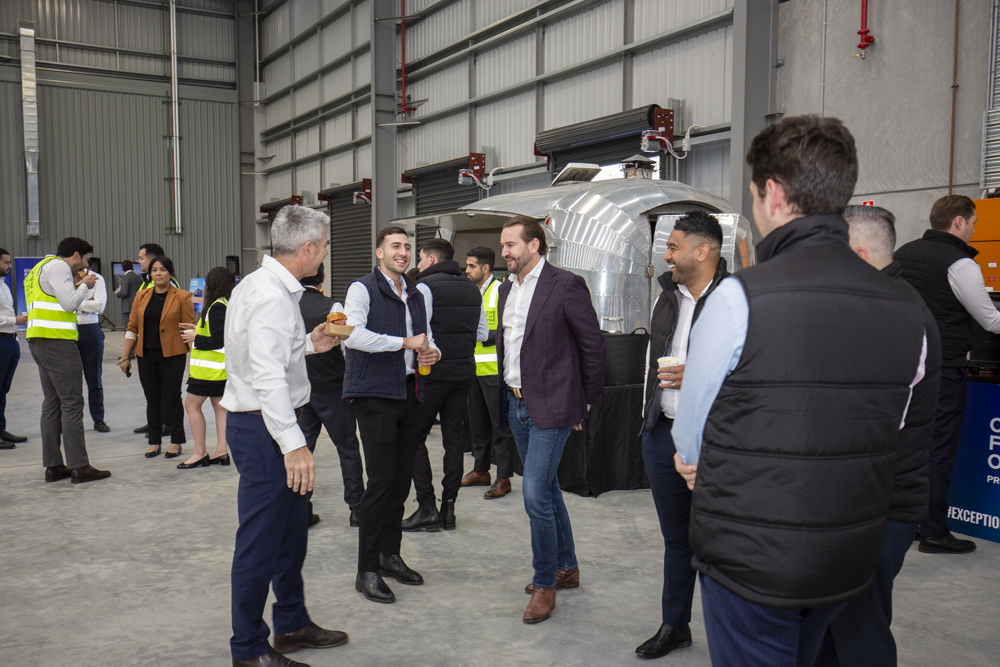
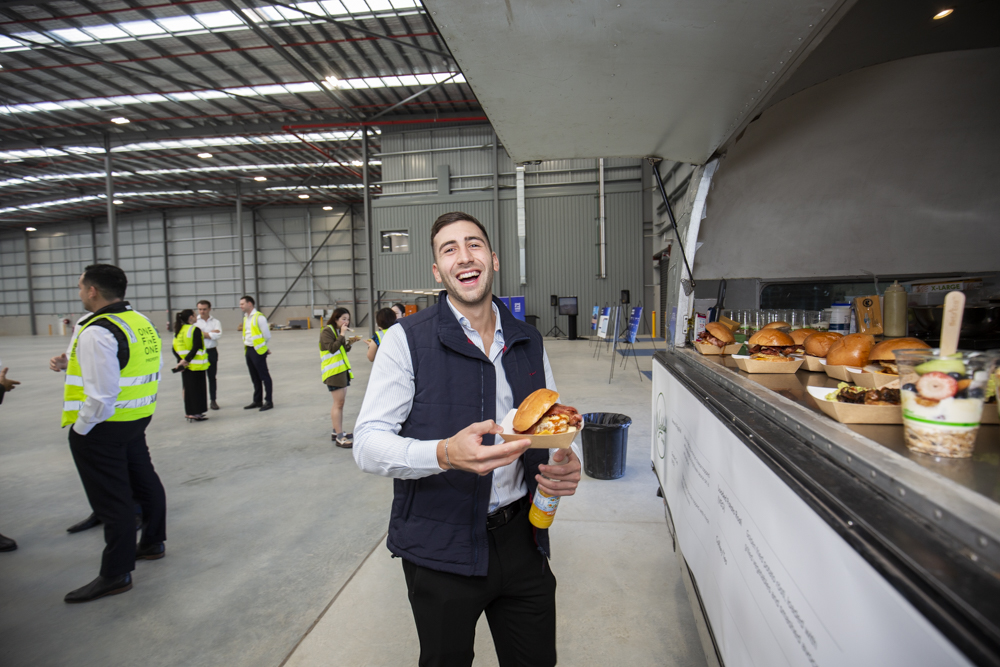
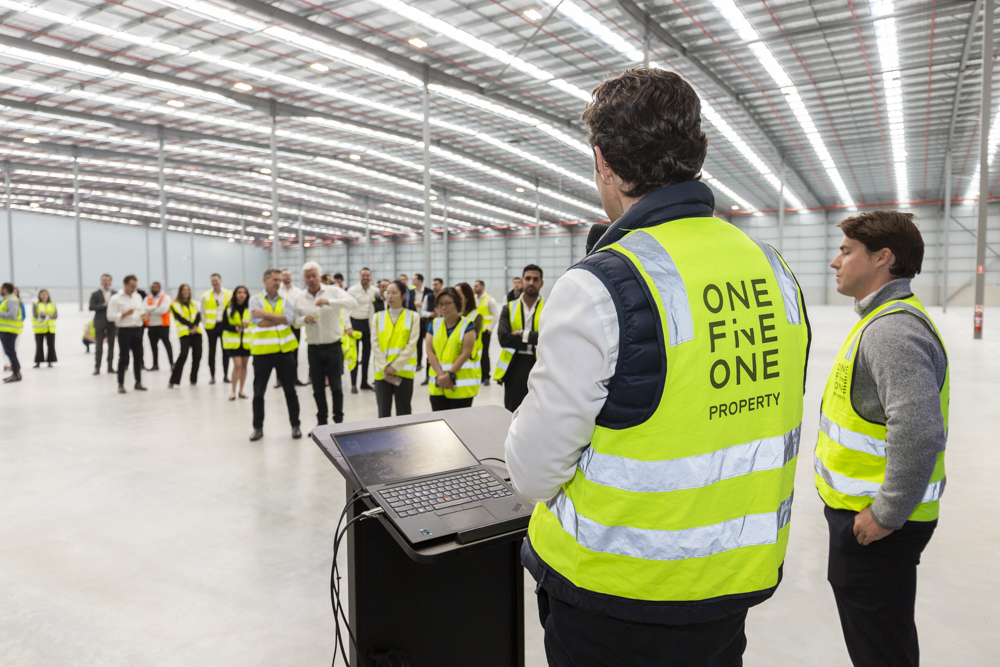
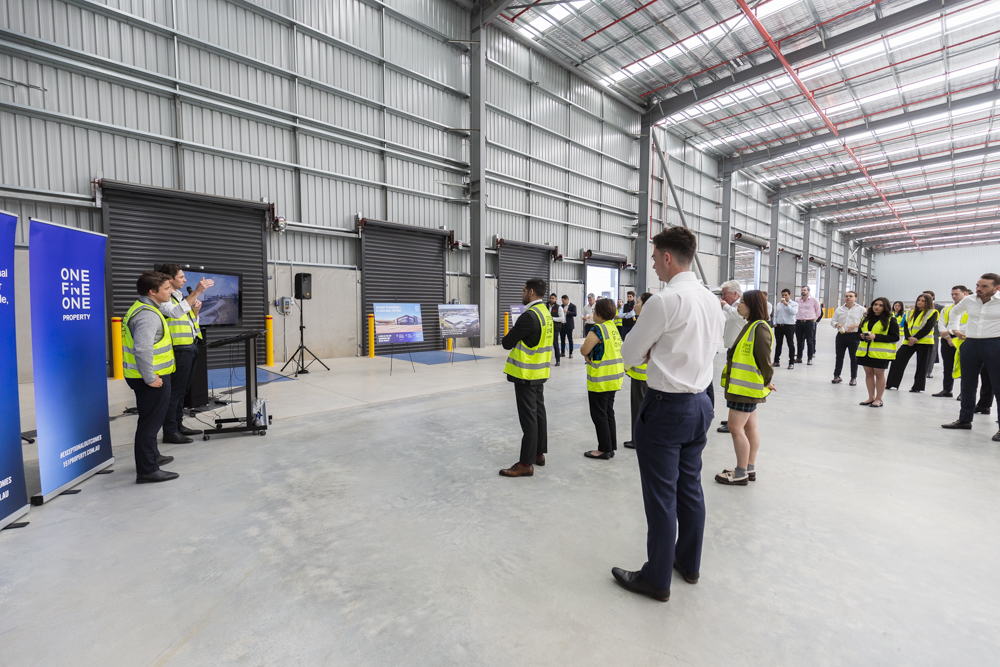
A new logistics facility opened for inspection in Prestons, a suburb south-west of the Sydney CBD. I was commissioned to photograph the completed stages of the building, which has been constructed by Hansen Yuncken. I also covered an event at the same site, hosted by the developer, 151 Properties.

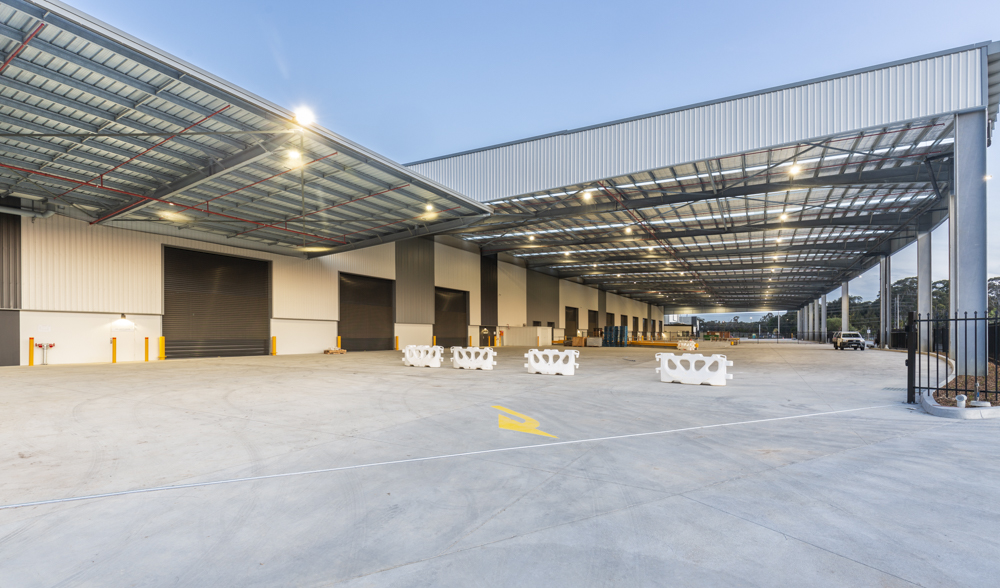
What is particularly impressive about this structure is the huge awning which stretches over the loading bays, spanning both warehouses. This is one of the largest dual-purpose awnings I have recently seen.

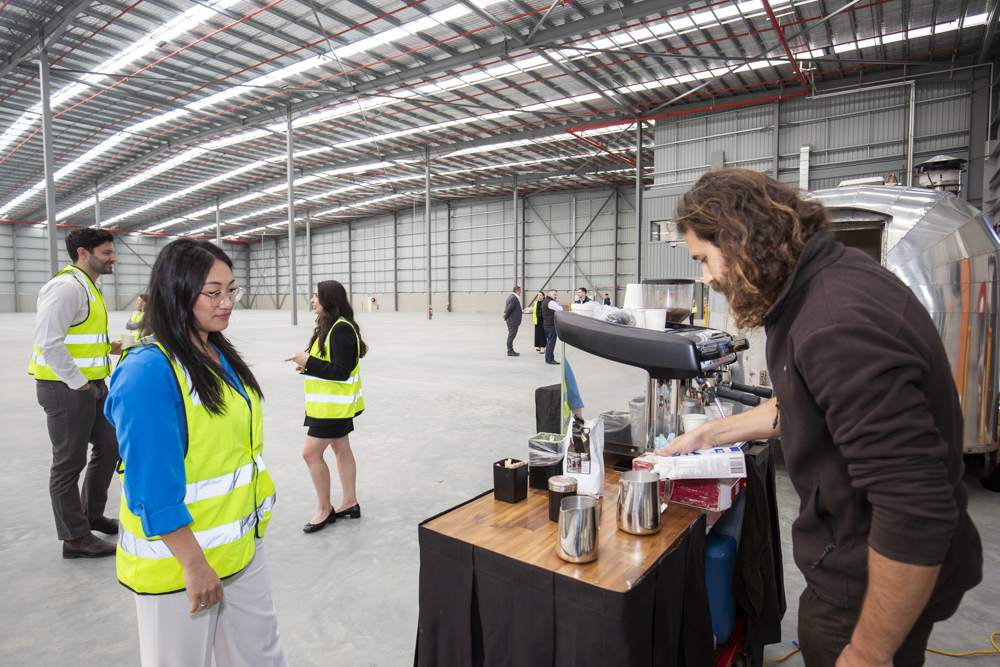
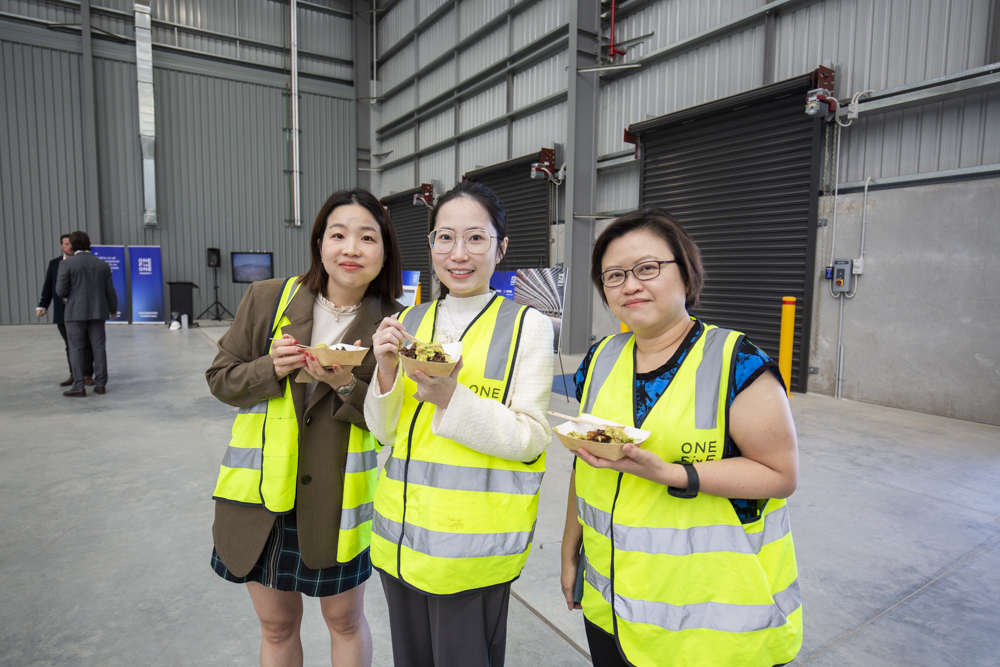
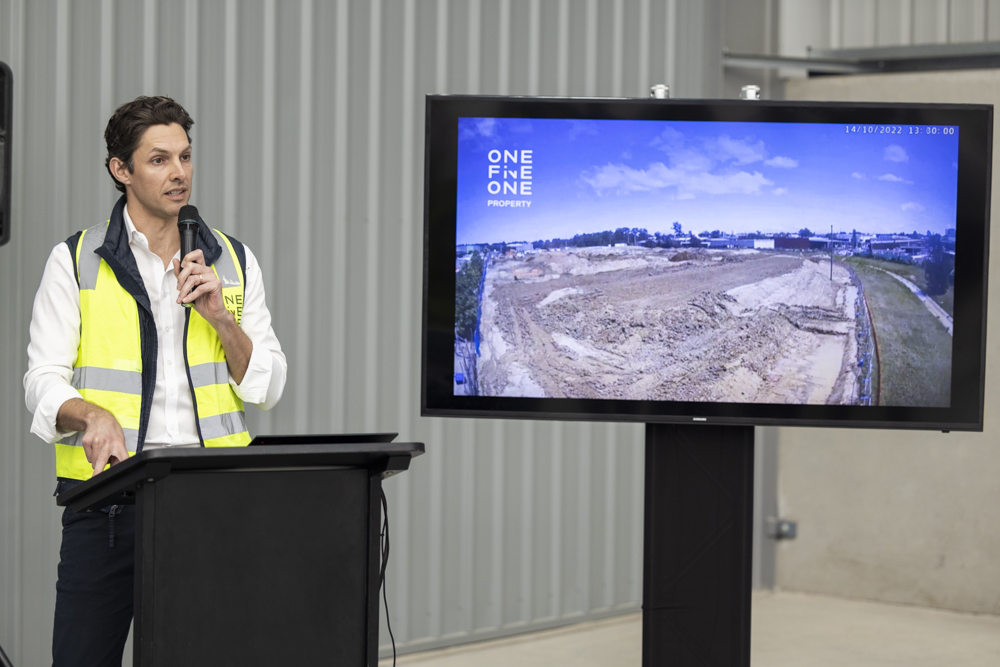
151 Properties held a presentation for agents who work in this industry, to show them around and to publicize that a new, state-of-the-art logistics facility was available for rent. Obviously by demonstrating innovation and by fielding potential customers for 151 Properties, it shows how layered the construction industry can be when many stakeholders are involved … from the lofty levels of financing and investment, to the actual build, project management and deployment. At any step of the way, you can be sure there are a number of people and interests involved.

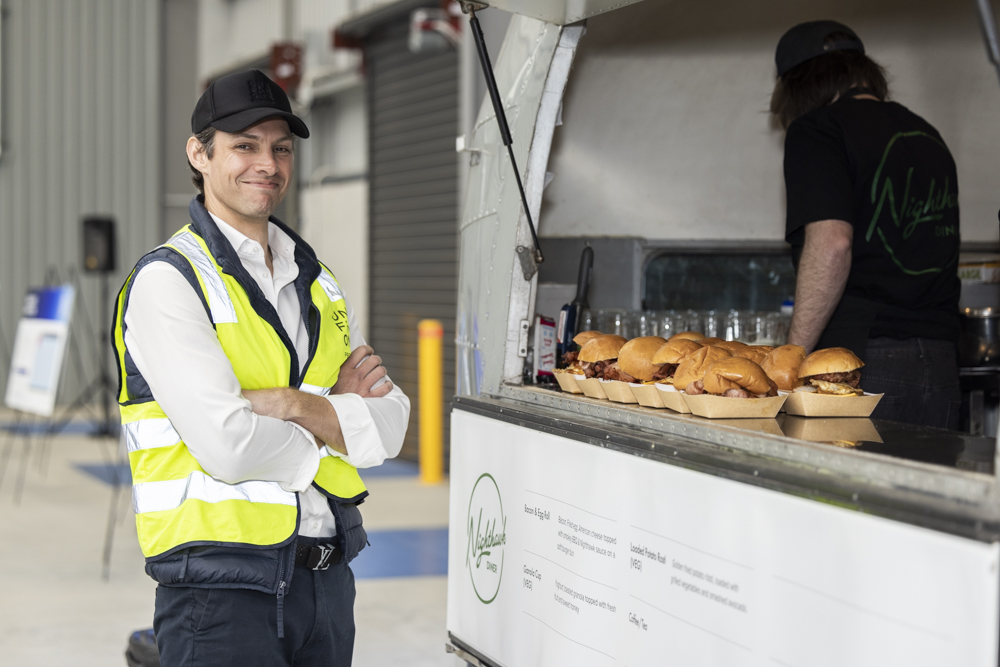
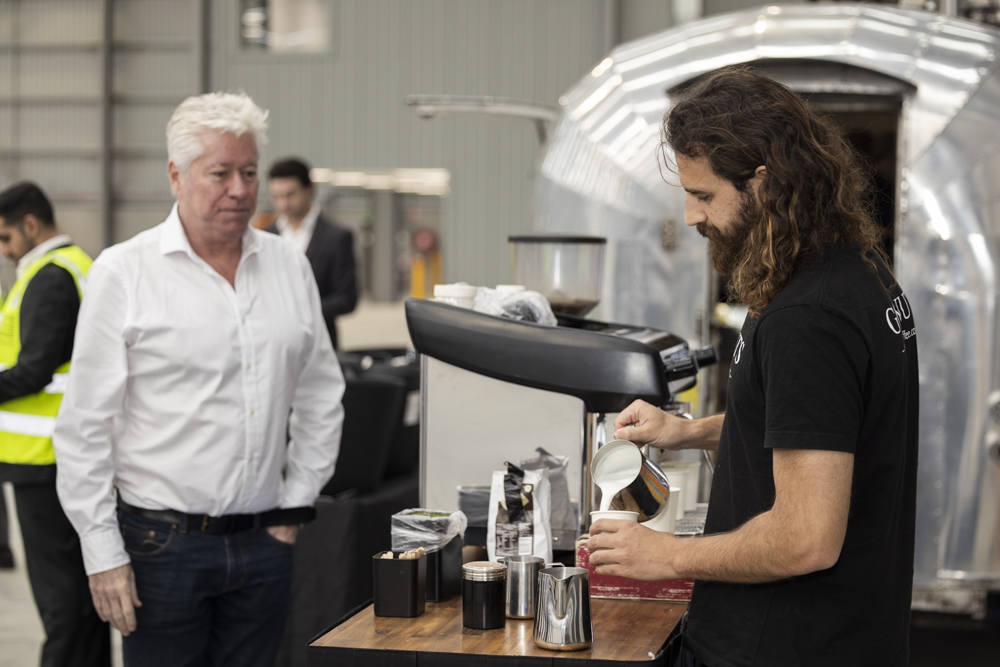
The early morning presentation proceeded well. There were several speeches and then visitors were taken on tours of the facility. However, alongside the impressive structure itself, the best part for me was the hamburger stand and the accompanying coffee stand … breakfast was a welcome treat.

Warehouse at Prestons, Sydney

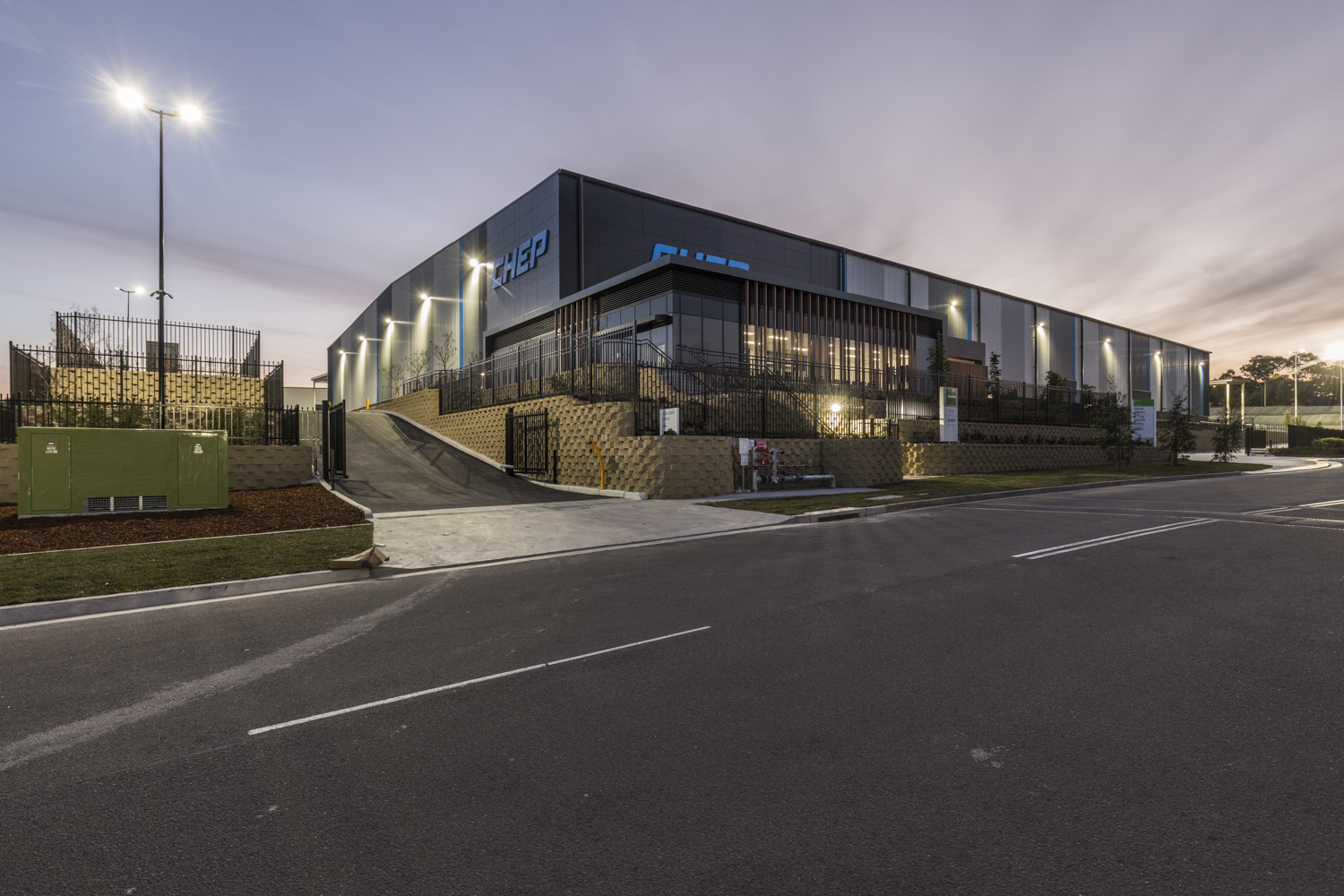
CHEP warehouse – Eastern Creek

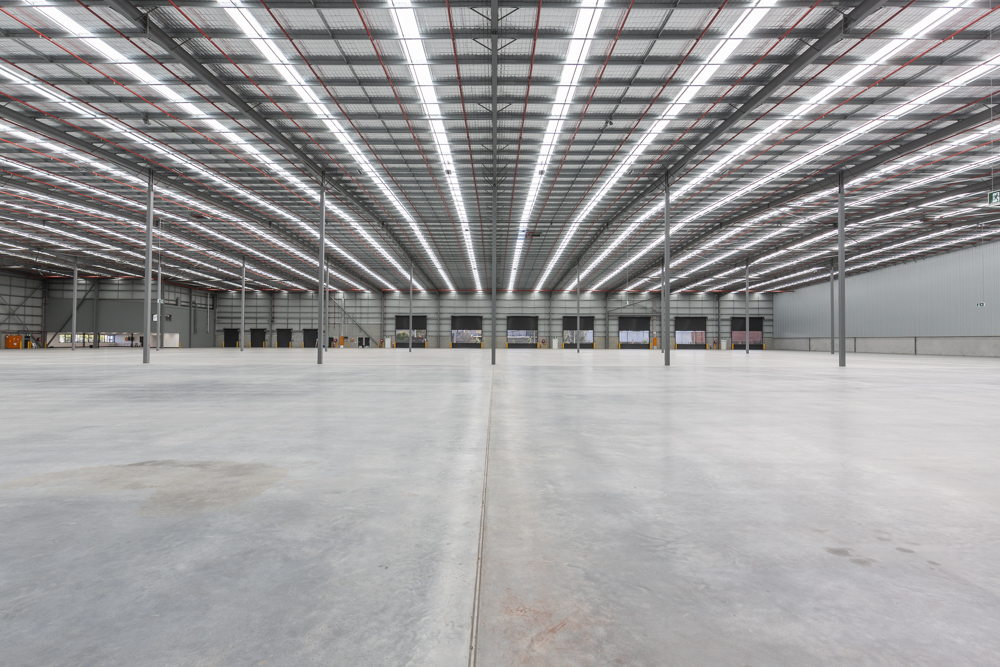
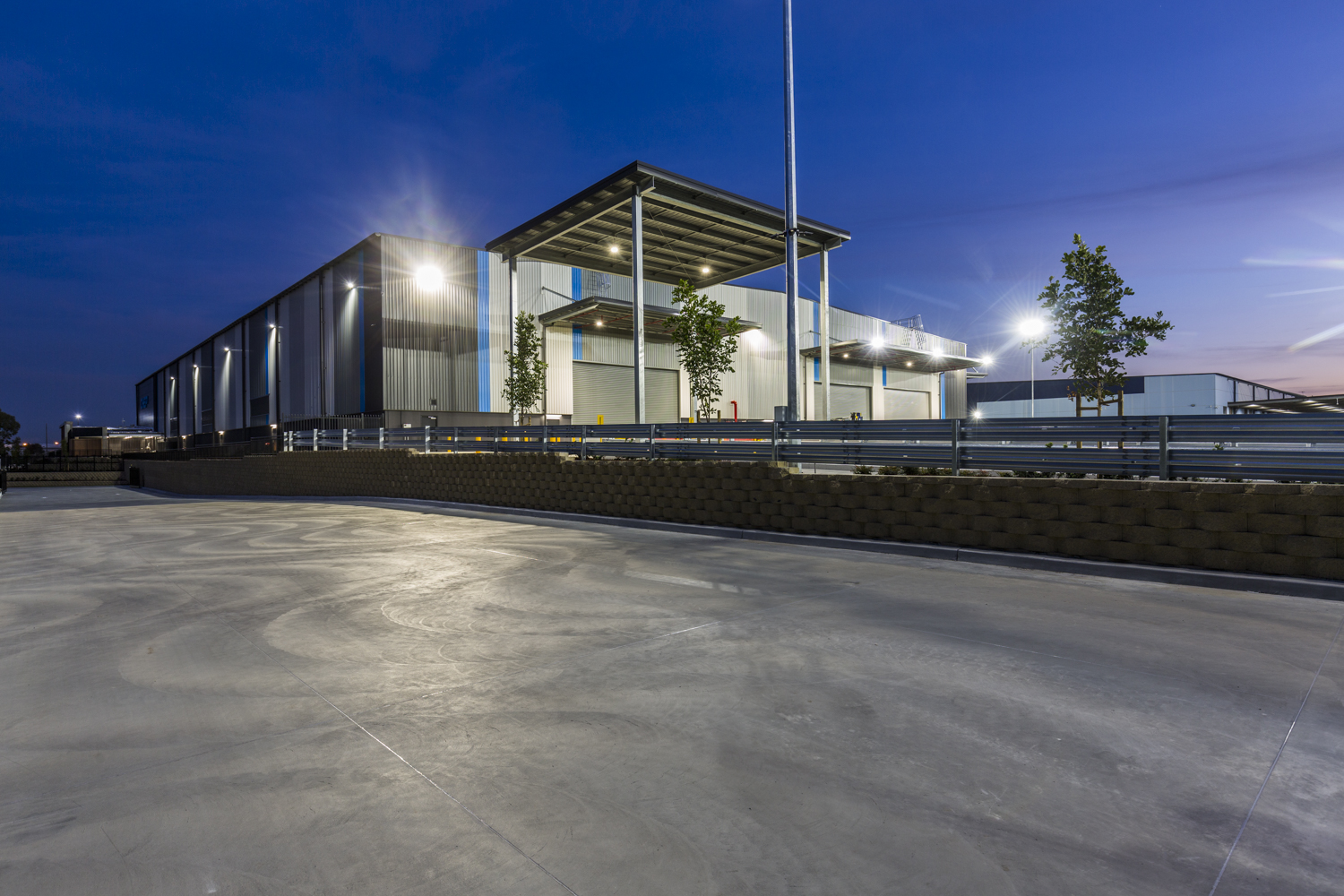
Logistics of any kind is a big industry on the western periphery of Sydney. CHEP’s new warehouse in Eastern Creek, built by Prime Constructions, is no exception.

CHEP is a company dealing in pallet and container pooling services, serving customers in a range of industrial and retail supply chains. Founded in 1946, it is a subsidiary of Brambles.

Shooting in an industrial landscape at dusk can sometimes be quite surreal. The architecture takes on a futuristic geometry, devoid of the human figure.